
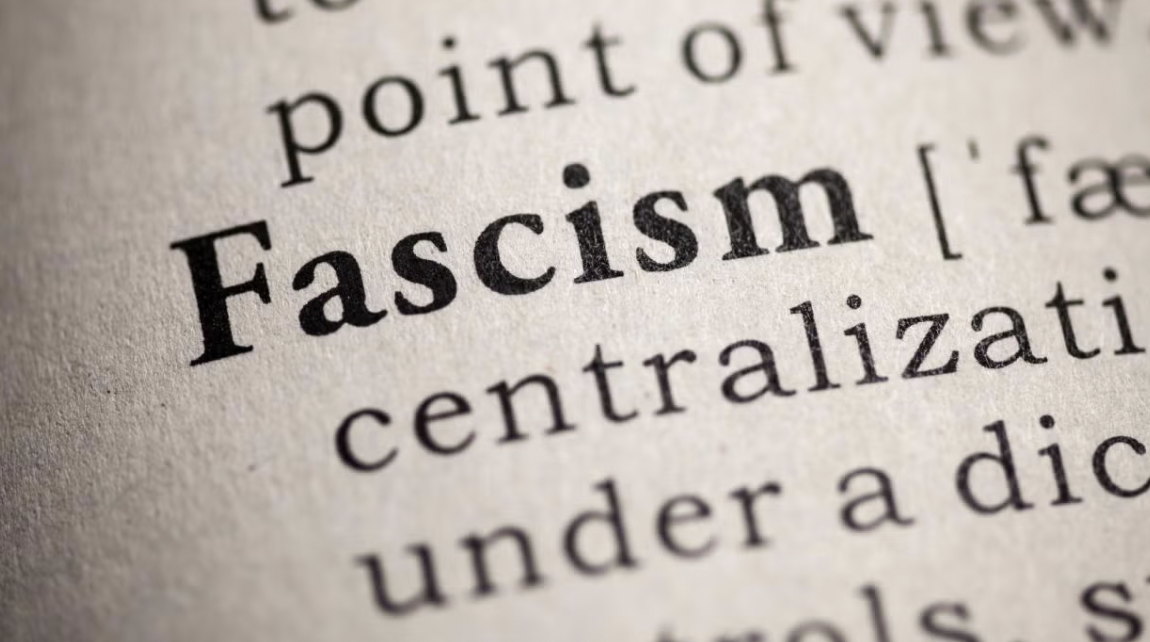

For no reason at all, let’s talk about the 14 characteristics of fascism. Absolutely no reason—just casual curiosity about what makes some politicians so charming.
- Power Hunger Beyond Belief: A deep, insatiable desire to dominate everything. Elections, media, weather forecasts—you name it.
- Disdain for Human Rights: Because who needs pesky things like equality or justice when there’s “order” to be maintained?
- Scapegoating: If something goes wrong, clearly it’s someone else’s fault—always a convenient minority, foreigner, or internal critic.
- Supremacy of Lawless Leadership: Rules exist for everyone else, not the grand leader. Immunity is basically a birthright.
- Propaganda Obsession: Anything that fits the narrative is truth; anything else is fake news. Repeat until everyone forgets reality exists.
- Paranoia and Fear-Mongering: There’s always a hidden enemy lurking behind every corner… except, of course, in the mirror.
- Cult of Personality: A leader becomes a living, breathing symbol of greatness, untouchable and constantly photographed mid-smile.
- Militarization of Society: Because showing off tanks, troops, or threat levels is somehow reassuring.
- Exploitation of Populism: Appeals to “the common people” while quietly helping the already rich stay even richer.
- Obsession with Tradition: Anything old and familiar is great, anything new is a crisis—unless it’s about ego-boosting monuments or self-aggrandizing holidays.
- Suppression of Criticism: Criticize the system? Criticize the leader? Silence first, apologize never.
- Fake Unity: Nationalism, flags, chants, and hashtags create an illusion of collective harmony, while dissenters are quietly, or not-so-quietly, sidelined.
- Craving for Control Over Culture: Arts, media, and education all need “guidance” to avoid corrupting the populace.
- Manipulation of the Economy: Favoring cronies and punishing perceived enemies while claiming it’s “all for the people.”
Somehow, all of these traits appear in subtle—or not-so-subtle—ways across today’s political landscape. It’s almost like studying history gives you a cheat sheet for spotting old patterns in new suits.
Of course, this is all just theoretical. Purely academic. A friendly reminder that watching leaders consolidate power while waving flags isn’t always just entertainment—it’s also a cautionary tale.

