
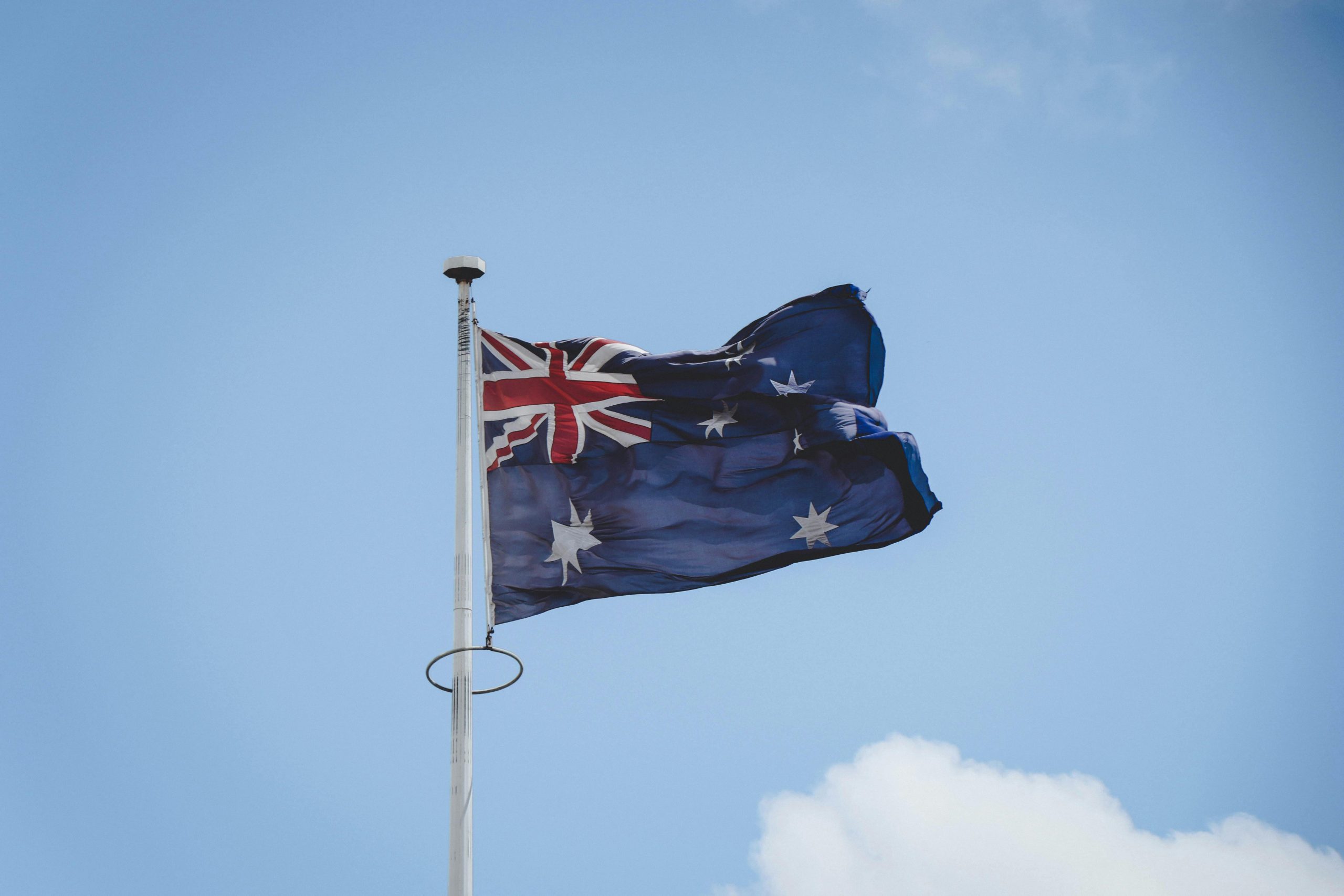

Nineteen Australian women and children with alleged ties to ISIL returned to Australia from a camp in Syria on Tuesday, according to government officials. The group, which includes six women and 13 children, landed in Sydney and Melbourne, marking the second such repatriation to the country this month.
The Australian government confirmed the group’s arrival and stated that any individual found to have engaged in criminal activity would face prosecution. Minister for Home Affairs Tony Burke addressed the government’s position, stating, “These are people who have made the horrific choice to join a dangerous terrorist organisation and to place their children in an unspeakable situation.” Officials also noted that the government did not provide assistance for their return.
Upon their arrival, no arrests were made, but the Australian Federal Police confirmed that inquiries into the individuals are ongoing. According to local media reports, a significant police presence was at Melbourne airport, where a scuffle was reported as part of the group was escorted from the premises.
This repatriation follows an earlier one in May when four women and 13 children arrived from Syria. Three of the women from that group were arrested upon their arrival.
The return of citizens with connections to ISIL has been a point of discussion in several Western nations. Governments in Australia, France, and the United Kingdom have previously expressed reluctance to repatriate citizens who traveled to the Middle East to join the group.
In 2022, the United Nations Committee on the Rights of the Child stated that France’s failure to repatriate children of French nationals from Syria violated their rights. In a separate case in 2019, the U.K. government revoked the citizenship of Shamima Begum on national security grounds.
Earlier this year, the Australian government issued a temporary exclusion order against a woman in Syria, preventing her from returning to the country until February 2028. The woman’s family is challenging the decision.
Afzal Ashraf, a visiting fellow at Loughborough University specializing in international relations and security, commented on the broader context of such returns. In a statement to Al Jazeera, he said security challenges should be viewed proportionately.
“There will be some security challenges, because people like this are likely to suffer from issues such as PTSD,” Ashraf said. He suggested that potential risks could be addressed “by providing comprehensive mental health support for returnees and ensuring they are reintegrated into society in a positive way, with follow-up programmes to address any dangerous ideas they may have adopted.”

