
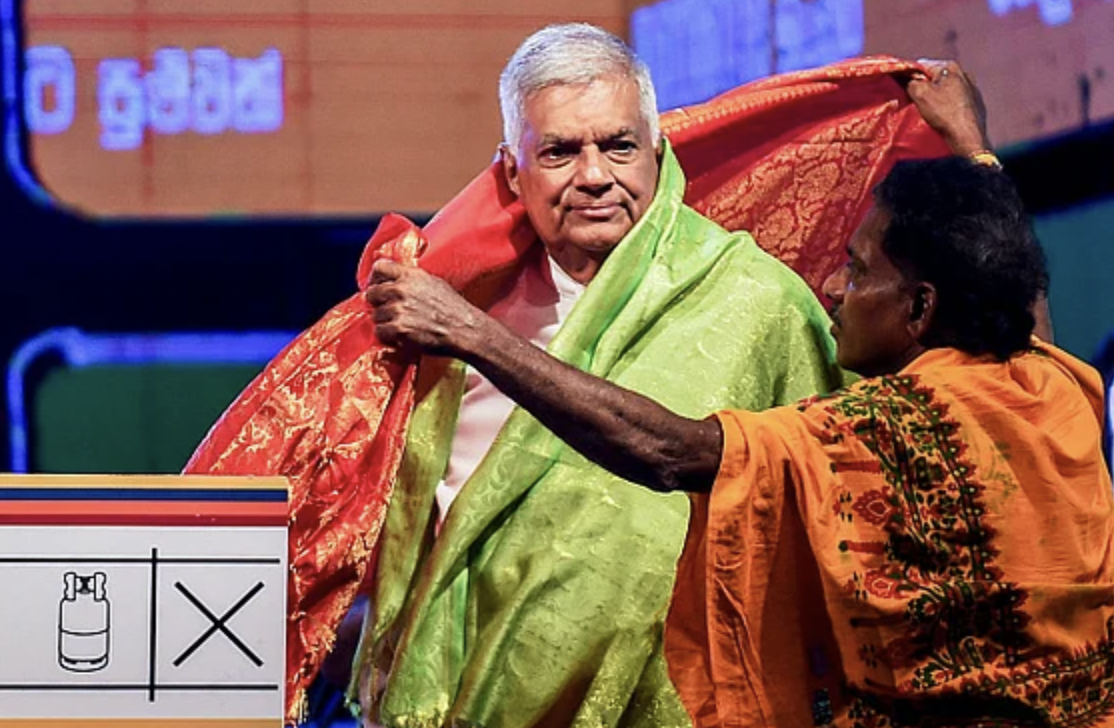

Sri Lanka’s politics were shaken this week by the detention of former president Maithripala Sirisena. He is being held in a corruption probe. For a man once praised as a reformer, the turn is dramatic.
Sirisena led the country from 2015 to 2019. During that time he was cast as the figure who opened space for democracy. Now his arrest has split opinion. Some see a legacy collapsing. Others say it is overdue justice in a system that rarely brings powerful figures to account.
The timing matters. Sri Lanka is still recovering from an economic collapse and a deep governance crisis. The arrest underlines the clash between calls for openness and the grip of entrenched elites. It could also deepen rivalries among those in government, many of whom once backed Sirisena.
India is watching. Sirisena was considered pro-India, a stance that helped Colombo balance China’s influence. His detention raises questions about how shifting politics could play into regional diplomacy.
The case comes ahead of national elections. The opposition is expected to use it to press claims that corruption is systemic. Public trust in institutions is already thin after years of scandals.
For now, it is unclear whether this case signals real accountability or just another scandal that fades. Sri Lanka has seen many high-profile cases come and go.
What is certain is that Sirisena’s fall has changed the political conversation. From leadership. To trust. To transparency. His detention reminds Sri Lankans how fragile reforms remain, and how much power still rests with political insiders.

