

The Angolan government has removed subsidies for fuel as part of its wider economic reform, announcing the decision as essential to lessen the financial pressure on the state and returning funds to the social sector.
The fuel subsidy program was taking away billions of kwanzas per year, which caused heavy and unsustainable public finance burdens, according to reports from state media. The Ministry of Petroleum and Mineral Resources defined price hikes as the “must” elements of reforms advised by international financial institutions.
The manner which lead to the widespread disquiet amid, especially outraged poor communities is the sudden implementation without support adequate for the transition, mainly those where people are taking fuel generally at a lower and they use it for transportation and their subsistence.
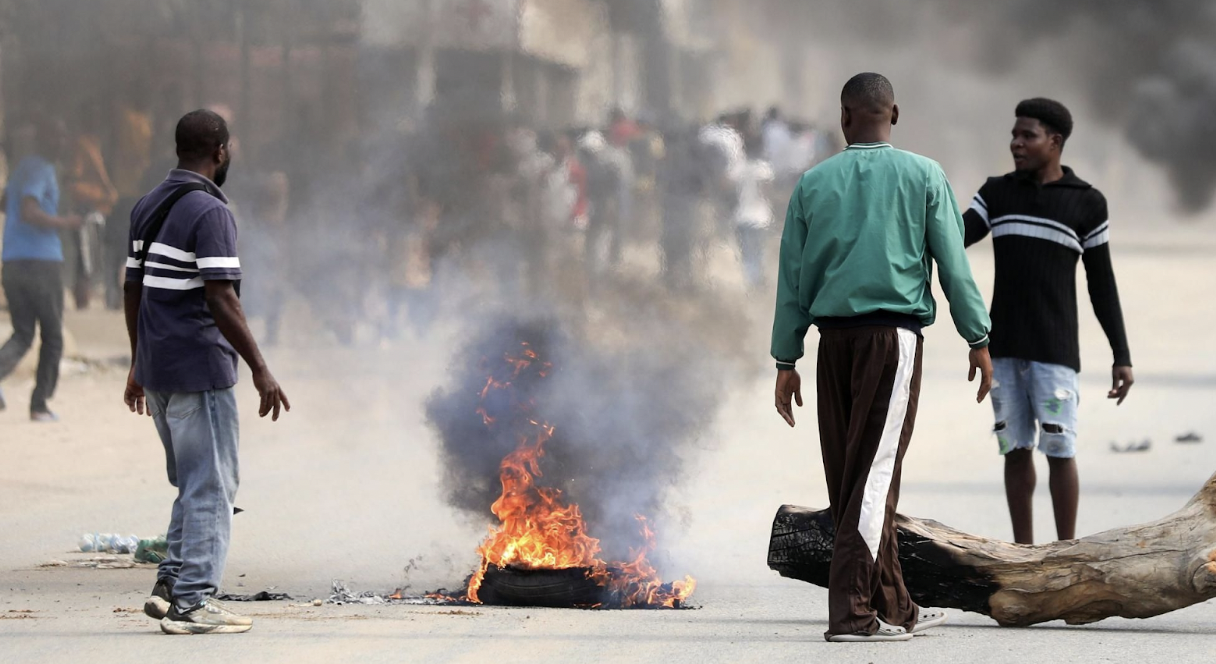
The steep policy changes which came to light quickly did not cover up the government’s failure of the plan to protect the weakest people against the economic shock. Citizens from these places are protesting with force and the problem is present not only in one or two small cities but all over the country.
After protests became more violent, military forces have been dispatched into many provinces to overcome protesters and to recapture lost areas of public order. According to human rights organizations reports, these operations are accompanied by violations of the people’s rights to an excessive use of force and arrests without cause, which raises concerns over whether the government response is proportionate.
Government officials promised they would investigate the causes of the deaths that may have occurred and called on citizens not to retaliate but rather to use the legal ways to achieve their aims.
Opposition parties including UNITA are calling for the government’s decisions to be reviewed instantly and detainees to be released. The excessive use of force by security has only served to increase people’s anger and to draw negative comments from organizations involved in the civil society that say the government is more interested in the suppression than in the dialogue.
Moreover, opponents are pointing out to the government the benefit of engaging actively and actually listening to the thoughts of the public instead of simply using forceful tactics to silence them.
As the second-largest oil producer on the African continent, Angola investing in another policy that is contrary to the economic reforms and harm social stability has become a major challenge.
The nation has been continuously battling with rising inflation and the increase of public debt. Therefore the removal of subsidies was and is still a part of a bigger fiscal consolidation strategy.
Though the reforms are in line with the recommendations of international financial institutions, the way they were enacted has caused a lot of anger over the issue of going against the adjustment without the existence of social protection mechanisms has become apparent.
The current upheaval is an example of how the government’s economic policies designed to bring about change can turn quickly into social instability when those least able to cope are not given enough support.
Organizations which form the bridge between government and the people are still insisting on such a dialogue and are putting forward the importance of a community-based system which combines ways of ensuring social peace, together with taking into consideration the welfare of the public.

