
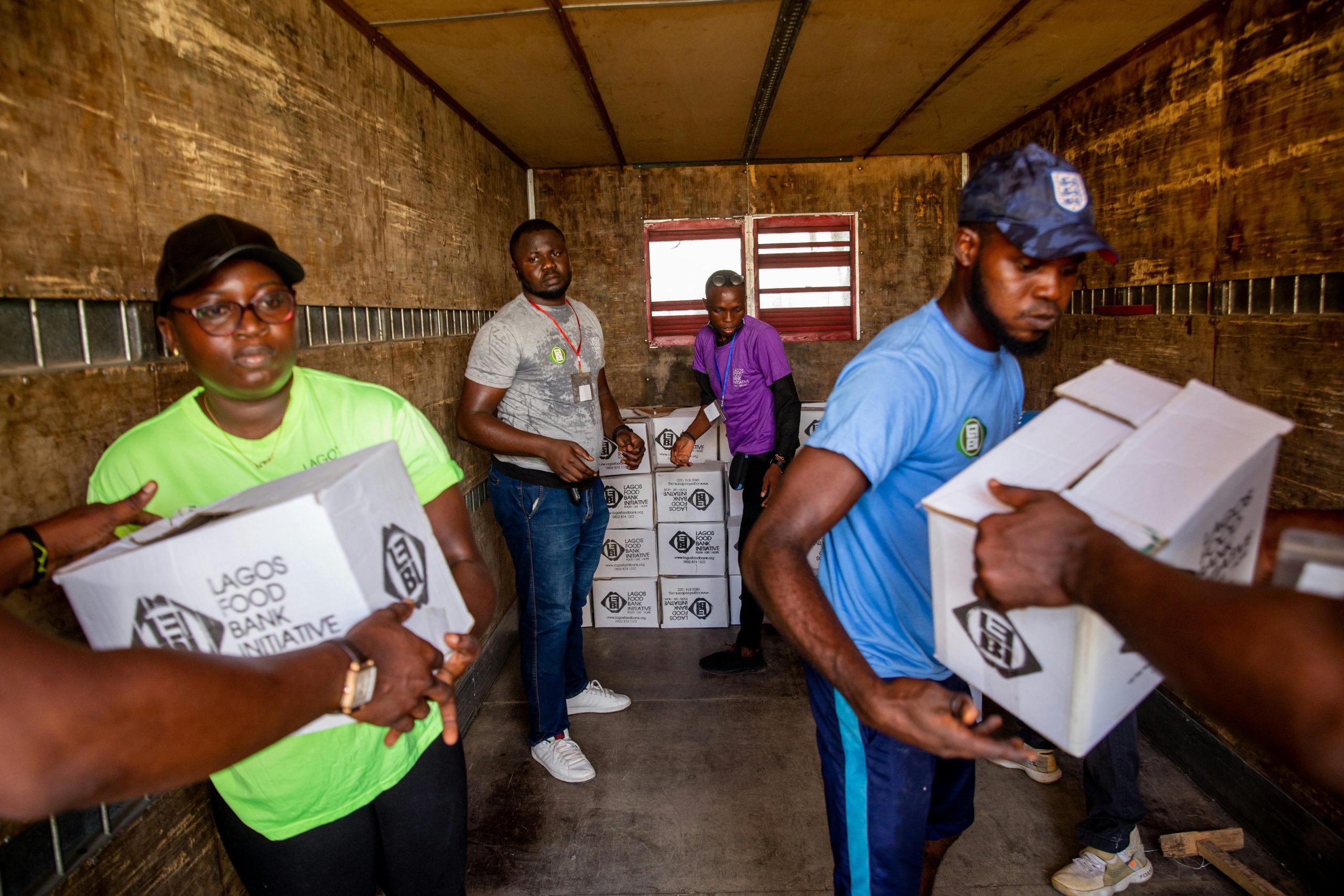

The United Nations unveiled its yearly report on food security in July 2025, highlighting a paradox that is quite troubling: the global hunger decline coexisting with Africa’s deteriorating situation.
This joint report prepared by the Food and Agriculture Organization (FAO), the International Fund for Agricultural Development (IFAD), the World Food Programme (WFP), the World Health Organization (WHO), and UNICEF, depicts a significant disparity in access to food at the regional level.
Globally, the overall situation is better as fewer people have access to severe food deprivation, which is an indicator of progress towards the Sustainable Development Goals, but unfortunately, the situation in Africa has become worse so that it is hard to compare it with the levels before the COVID-19 pandemic.
The continent is still suffering from the problems of food supply in the regions which, while the rest of the world is gradually getting out of such problems, are the source of the crisis in Africa.
The crisis in Africa is due to a combination of factors that are interconnected and have led to the region’s unprecedented vulnerability to the crisis. The ceasefire violations in the Sahel, Sudan, and the Horn of Africa area, forced people to abandon their land, and, consequently, production got diminished.
Besides, the economic instability of the region that is characterized by inflation and currency devaluation makes the basic commodities, including food, to be more and more unaffordable by the residents of the region.
The disasters brought about by climate change are also increasing these difficulties by the alternations of drought and floods that destroy the crops and livestock. The environmental shocks limit food availability while reducing household purchasing power through lost livelihoods and destroyed assets.
The region of sub-Saharan Africa is where the problem is most severe, and more than 280 million people there lack access to sufficient food. As a result, the most vulnerable groups of people will have a hard time getting enough nutritional food especially women and children who, in addition, will suffer from lack of micronutrients which will not only create immediate malnutrition problems but also will influence their health and development positively in the long run.
The agencies of the United Nations very quickly make requests to the government and policy-makers for taking comprehensive measures to solve this ever-worsening crisis.
The recommendations made in the statements of priorities to the executive branch of government include that the country needs to work on improving food security through better infrastructure, providing money for farming technologies that are adaptive to different climates and at the same time making sure that the areas that are most affected by conflict will be accessible to humanitarian aid workers.
The report highlights the need for a combined solution that involves building the ability of the agricultural sector to supply in the long run, while at the same time providing the necessary emergency aid.
To prevent inflation, policymakers should take a good look at the causes of inflation and thereafter implement social programs that will protect the poor from the effects of such shocks.
The situation in Africa where food security has worsened greatly is in stark contrast with the rest of the world, where there have been steady improvements, and the main reason for this is the enormous differences that still exist in terms of access to food and the ability to cope with shocks.
This difference is a clear indication that, while it is impossible to deny that there has been progress at the regional level, we still cannot overlook the existence of localized crises that require targeted interventions.
Without immediate and coordinated action, the likelihood of achieving the global goal of eradicating hunger by 2030 will continue decreasing, thus international cooperation will have to be intensified considerably.

