

During its 37th Assembly session in February 2024, the African Union took a revolutionary decision to set up two big institutions that would be concerned with reparations throughout the continent.
This choice goes beyond just one meeting; it signals the creation of the African Reparations Fund and the African Committee of Experts on Reparations, marking for Africa a milestone in the quest for justice of the past.
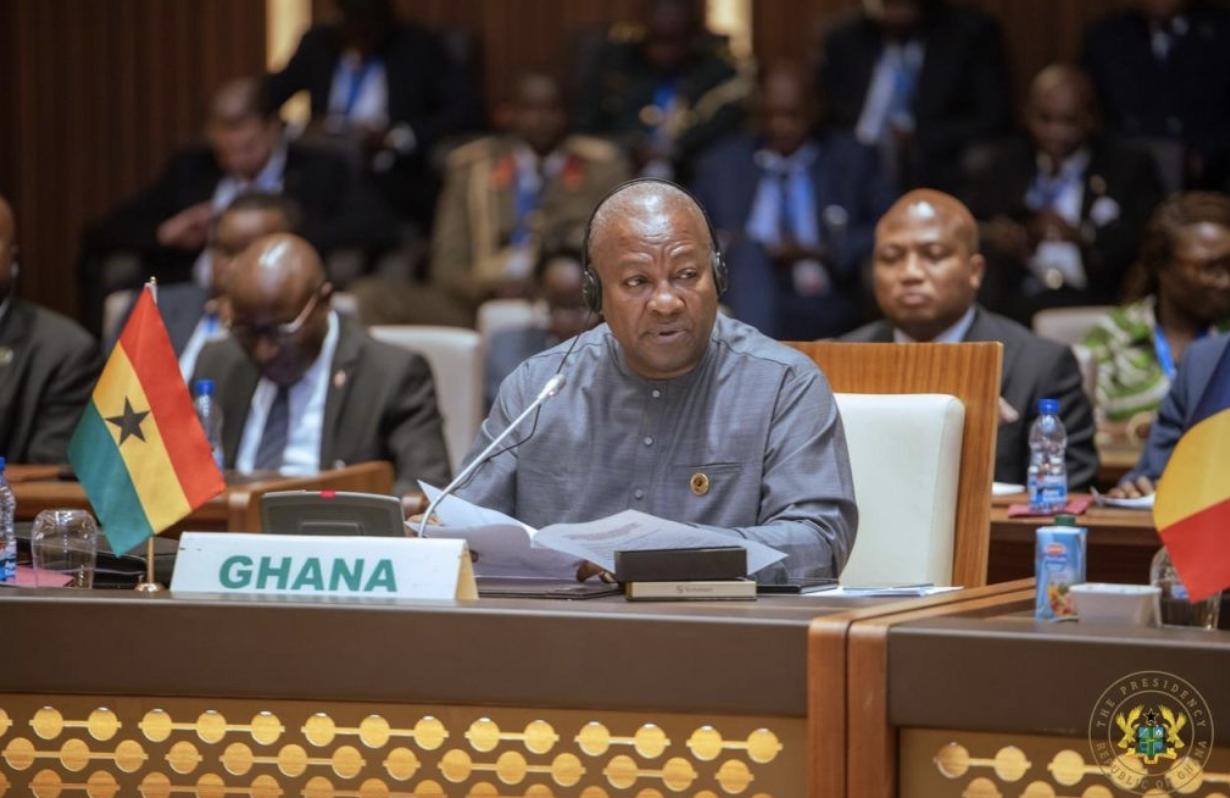
Once the decision was made, the ex-president of Ghana John Dramani Mahama said it was a decisive moment that would be remembered for its contribution to the Pan-African movement.
The two institutions, by their mere existence, acknowledge the exploitation of Africa’s natural resources through colonization and the horrific transatlantic slave trade as causes of the numerous problems that African countries face today.
Furthermore, the new institutions, which have just been approved, make it possible for African countries to jointly talk to former colonial powers about reparations in one voice instead of separately.
This manner of working together has brought about a change from how individual countries have dealt with the issue to how the problem is being handled on a continental scale, thus making Africa’s negotiating position more brazen.
The African Reparations Fund would serve as an easy direct route to rallying means for different projects put up all over the continent under development. The African Committee of Experts on Reparations also offers the same support only in a different manner; that is by being the technology input experts in the areas of policy formulation, documentation processes, and legal precedents of reparations claims.
The setting up is to a large extent indicative of the popular folk movement in reparations in the African continent of the last few years.
This change has been caused by all the talk all over the world about the consequences of transatlantic slavery and colonization where several African countries have been leading the call for talks to be held not only with Europeans but also with the others who have been involved in the slave trade.
The framework for reparations shall be a vehicle for different African nations as well as African diaspora communities living outside the continent. Thus, it allows covering all regions and people affected by the historical injustices and their current forms.
The African Union has mandated its Commission to work very closely with the member states to make these institutions working practically. Among the many reasons for the next AU sessions is to agree on essential implementation details, such as the locations of the headquarters, the structures of governance, and the methods of financing that will guarantee that the operations are carried out effectively.

