
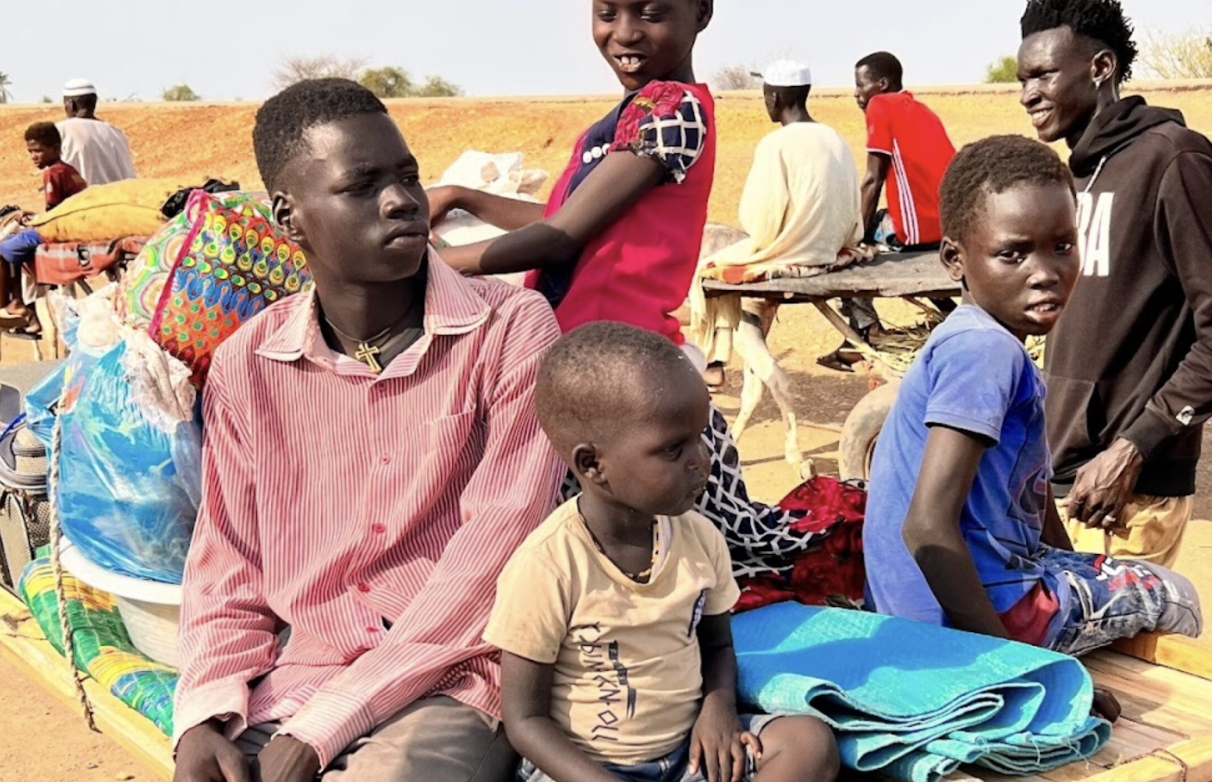

UN agencies have stated that more than 1.3 million Sudanese who were displaced due to two years of conflict have returned to their homes of their own accord, as of late July 2025. Out of these, about 1 million are internally displaced persons while the remaining 320,000 are refugees from Egypt and South Sudan.
The returns have been made to such places as Khartoum, Sennar, and Al Jazirah states where, despite the widespread destruction, relative peace has emerged.
The regional director of UNHCR made a very strong call for support from the international community so that humanitarian aid can be provided to the returnees in order to help them rebuild their infrastructure and their means of subsistence.
Most of the returnees have to cope with their homes that have been destroyed, with very little access to both education and medical care, and with utilities that have been disrupted. There are some who build their homes in unplanned reception sites or those who go back to the camps for the displaced because they do not have any suitable housing.
The combined UN inspections on the ground showed not only the extensive urban destruction but also the severe lack of both water and shelter besides healthcare and sanitation.
The mass coming back to their hometowns is caused by the war that broke out in April 2023 between the Sudanese Armed Forces and the Rapid Support Forces.
The conflict has forced more than 12 million people to leave their homes – out of which more than 8.8 million have been displaced internally and over 3.5 million have been made refugees in the neighboring countries.
According to UN agencies, it is a “race against time” to bring in aid on a larger scale as returnees are settling down in areas having very damaged infrastructure. Many will be faced with the possibility of ending up in the same situation if they do not receive increased funding and humanitarian access, that is, they will be displaced once again when they return to their homes within the country.

