
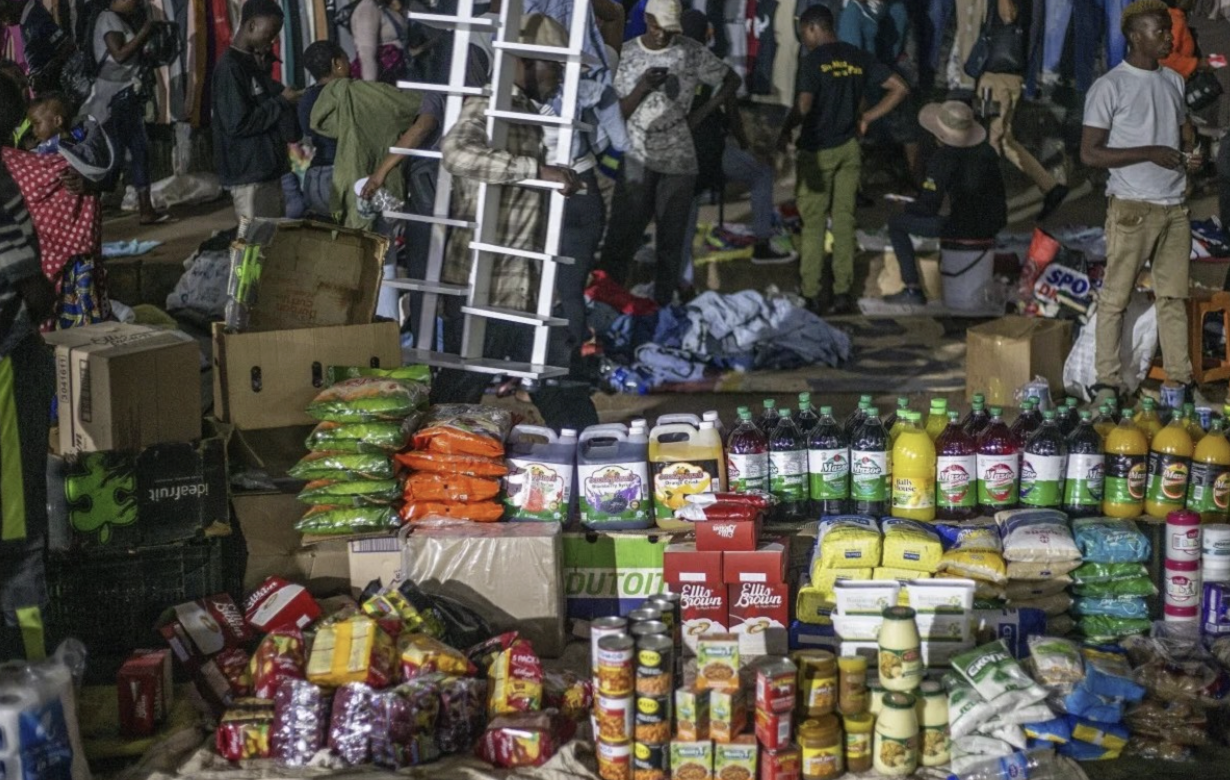

The government in Zimbabwe has prohibited the import and sale of used clothes second handed immediately. In addition, street and night vending have also been banned in urban areas.
Minister of Local Government Daniel Garwe announced the measure during a meeting with Harare City councillors attributing the concerns to disrupted formal trade, drug activities, and unsafe conditions, among others.
The ban encompasses all central business districts in cities and towns. It is effective from this moment on for both daytime and nighttime vending activities. Local authorities together with the police are the ones who must enforce these restrictions.
While officials talked about the even more sensitive enforcement of existing bylaws, they talked about past incidents where law enforcement officers got injured during the aftermath of clashes with the residents who were protesting against being displaced by local authorities.
This policy measure affects the Zimbabwean economy to a great extent as the country is dominated by informal sector activities where 76 percent of the total economic activities are conducted outside the formal sector.
About 88 percent of the workforce is informally employed. Thus street vending and selling “mabhero” (used clothing) have become the most important sources of people’s livelihoods amid the high unemployment rate and limited opportunities in the formal sector.
Such limitations in the past have always encountered a lot of resistance. The prohibition of used clothing imports that was introduced in 2015 was lifted in 2017 after traders and consumers protested against it. Instead, the ban was replaced by high import levies.
The current enforcement, according to analysts, can also be met with such challenges if this occurs due to high consumer demand and well-established informal trade networks.
The declaration is one of the reasons for concerns amongst vendors who rely on the availability of low-cost goods obtained from the second-hand market. The opponents say that the ban will lead to the collapse of the informal economy and will make it difficult for people with low incomes to have access to affordable clothing.
However, the government officials have declared that the implementation will be gradual and that traders will be urged to seek other trading opportunities in the designated licensed areas that are more safe and secure.

