

The global coffee market may be disrupted significantly after the U.S. government decided to impose tariffs on three big coffee producers at high rates. They are Brazil, Vietnam, and Colombia, respectively. The action, which is already causing waves through supply chains, will likely increase the cost of coffee for users in the United States by a notable amount.
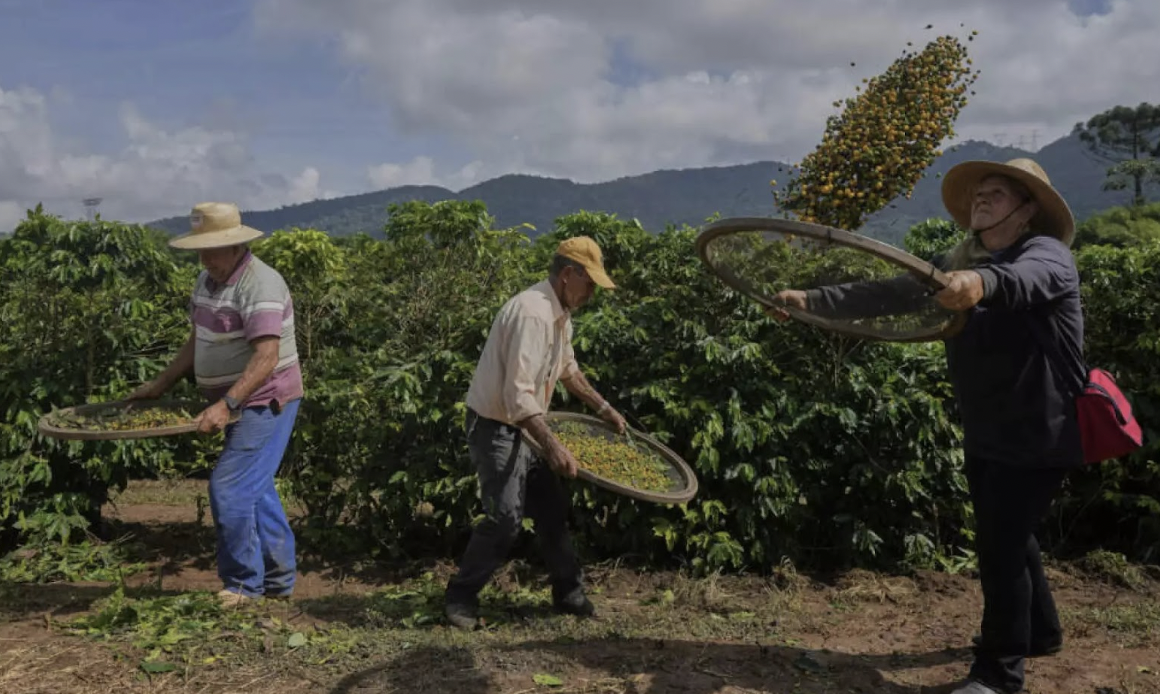
The greatest harm fell on Brazil, which supplies over 33% of the U.S. coffee market, and was slapped with a 50% tariff. Such a hike for sure will escalate the import costs in the U.S. considerably, and along with it, retail prices will also soar. Besides, since Brazil is the global price setter in the coffee trade, the effects of this levy would not only be felt in America but also slowly spread to the international markets.
Various coffee giants are already going through hard times and feel the effects in their pockets. In some cases, the operating costs are said to be going up by over 3%, which means that the company can decide to increase prices as a result, little consumption of the products due to smaller portions, or perhaps lower the quality of the blend to make up for the price. Under these circumstances, small coffee shops and independent roasters, which rely on slim margins to operate, may face the biggest challenge. For them, this price hike is no longer just an inconvenience, but “the most significant issue of survival capability”.
Challenges related to climate change are worsening the situation. Brazil and Vietnam have suffered extreme weather conditions like droughts and frosts in recent years, which have led to them lowering their production and straining the supply. Thus, with less quantity available and now more restrictions in the form of high tariffs, the market is caught in the middle of a difficult situation.
On the other hand, U.S. buyers are transforming their attention to new suppliers. Colombia is one of the countries that has been less affected by the tariff and is therefore increasing its exports to the U.S. Moreover, East African producers such as Rwanda and Ethiopia are getting a lot more attention and are seen as a stable, climate-resilient alternative. In the future, it is likely that these areas will become the main actors in an abruptly changed trade environment.
The economic conflict caused by tariffs can similarly affect agriculture and trade in other parts of the world. While orange juice was one of the agricultural products that got a reprieve from the imposed tariffs, coffee remained in the middle of the storm, leading to some allegations that trade authorities are playing politics with consumer essentials.
In the end, the new tariff round is not just a trade tactic but a warning signal. At the same time, being hit by climate change, supply interruptions, and rising costs, consumers will be faced with paying more for their daily cup of coffee, and the global coffee industry will most likely be forced to reconsider its long-term sourcing strategies.

