Government Rejects US Embassy Warning Over Mining Disaster in Copperbelt. The health warnings issued by the U.S. Embassy are turned down by the Zambian authorities.
They regard the caution as an untrue representation of the danger of contamination as a result of a mining disaster in the Copperbelt region.
In August 2025, as the pollution of water, soil, and air was progressing due to the release of toxic substances, the embassy advised American personnel to leave the area.
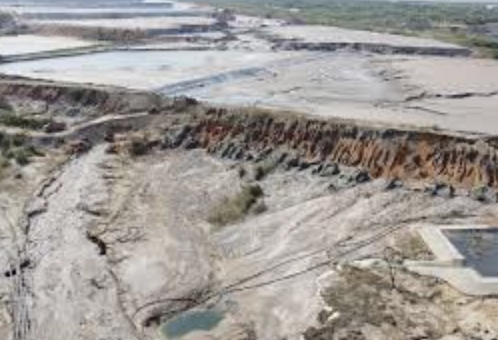
As a result of the collapse of the tailings dam at the Sino-Metals Leach Zambia copper mine in Chambishi in February 2025, about 50 million liters of acid waste containing heavy metals were discharged into a Kafue River tributary.
The disaster has caused pollution to water, death of fish, and, in some cases, interruption of water supply to the communities residing downstream.
Among government functionaries, such as the spokesperson Cornelius Mweetwa and the Minister of Water Development Collins Nzovu, laboratory results confirm safety for the environment at the moment.
They attest that water pH levels have returned to normal, and heavy metal concentrations have decreased noticeably. Authorities declare that areas in question do not pose any danger to humans, animals, and plants.
The U.S. Embassy is still concerned about the presence of dangerous substances in the affected area, such as arsenic, cyanide, and uranium. They say that these substances can cause health problems if taken into the body, breathed in, or touched on the skin, and by now, they could still be making the air of the region worse.
This disagreement is a reflection of the different environmental risk assessments that the Zambian authorities and the international observers make.
The Kafue River is a major source of water for millions of people in Zambia, including the residents of the Copperbelt Province and Lusaka, therefore, the issue of contamination and its lasting effects becomes a vital matter of public health.