
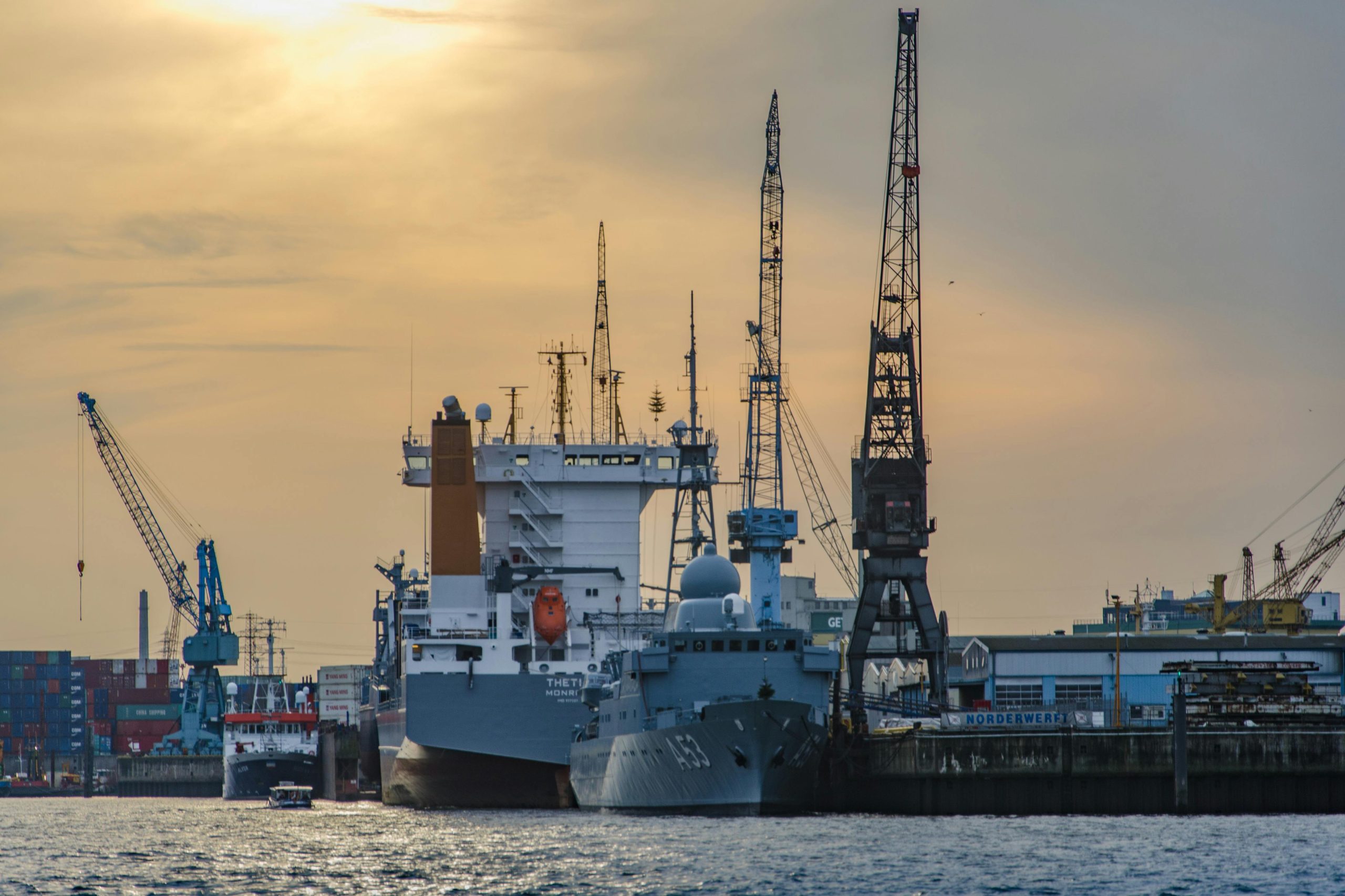

China is concentrating more and more on its maritime economy. President Xi Jinping has called for more innovation, resource-sharing, and overall better management to make China a stronger player in world trade, logistics, and marine resource management. The voice recorded is a clear message that China wants to turn its huge seacoast, its shipbuilding industry, and its strategically located ports into the driving force of economic revival and the means of acquiring a competitive edge in the world market.
Xi made it clear that a plan that incorporates all maritime industries is needed. Shipping, fisheries, offshore energy, and marine technology should be intertwined by a unified national strategy. He went on to say that the collaboration between state-owned enterprises, private companies, and research institutions will allow China to use its resources more efficiently, which in turn will make China more attractive to investors, and the sector will thrive with high-value innovations.
The development of a maritime economy is in line with China’s whole economic plan, which aims at moving the focus from traditional manufacturing to the technology-driven and service-oriented industries. Besides that, it’s assumed that the development of the maritime economy will be a way of supporting the Belt and Road Initiative, especially its 21st Century Maritime Silk Road segment, which will stabilize trade routes between Asia, Africa, and Europe.
The emphasis on the ocean via business vision means more breakthroughs in the fields of green shipping, smart port tech, and sustainable marine resource extraction. As the world relies more and more on trade, which has to be done through efficient and environmentally friendly logistics, China’s ship technology and ports can be the next step forward that the world can use and make it a leader in maritime innovation.
They argue that this strong comeback faces is a great chance for the Chinese coastal provinces, where local maritime industries are an important part of the local economy. With expansions of port capacity, simplified customs procedures, and improvements to maritime logistics networks, trade costs are likely to decrease, and there will be more export competitiveness.
On the other hand, the experts are also of the opinion that the plan has to overcome the problem of its success; in other words, it should be able to address the environmental issues such as overfishing, marine pollution, and habitat degradation. One of the issues raised by Xi during his speech was the immediate need to safeguard marine ecosystems, and thus, pointing out that environmental care would become the foundation of policies related to oceanic development in the future.
Global markets are closely watching China’s maritime ambitions, as they could reshape regional trade dynamics and supply chain flows. The world is still reeling from the recent economic turmoil. Nevertheless, China’s tactic to go deep into maritime industries shows that it is determined to be tough and keep its hold over the vital trade routes of the world.
If done properly, the plan for the maritime economy in China could explode the country’s business scene, and at the same time, it could be like a corporate mask, giving it the power to dominate at the global level. On the other hand, the environment of changing policies presents companies that are dealing with shipping, marine engineering, and trade logistics with opportunities to grow, and they have new sustainability challenges to conquer.

