
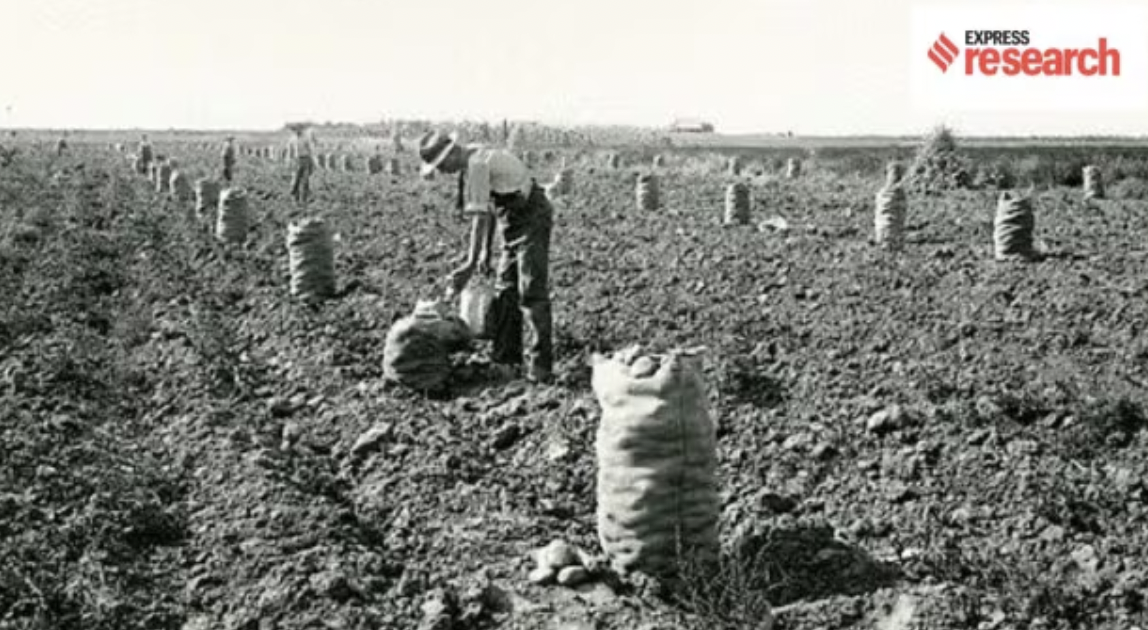

Once confined to the Andean highlands of South America, the potato has become one of the world’s most important food crops, reshaping diets and rural economies from Asia to Europe.
In India, where the crop was introduced through colonial trade networks, the potato has grown into a central pillar of agriculture and commerce. Its ability to thrive in varied climates and provide steady yields has made it a reliable income source for farmers. India is now the second-largest producer and consumer worldwide, with millions of smallholders relying on the crop for food security and cash income.
The potato’s influence stretches well beyond South Asia. Global demand has sustained an extensive industry around farming equipment, cold storage, processing plants and logistics. Street vendors, fast-food chains and exporters alike depend on the crop’s versatility, while South American producers continue to supply markets across Asia and Europe.
Analysts say the potato’s global spread highlights the economic value of crop diversification. By stabilizing incomes, it has allowed small farmers to reinvest in their land and communities, while also reinforcing food systems during periods of grain shortages.
From the Andes to India, the potato’s path reflects more than a change in diets — it shows how a single crop can underpin trade, create jobs and influence agricultural policy across continents.

