
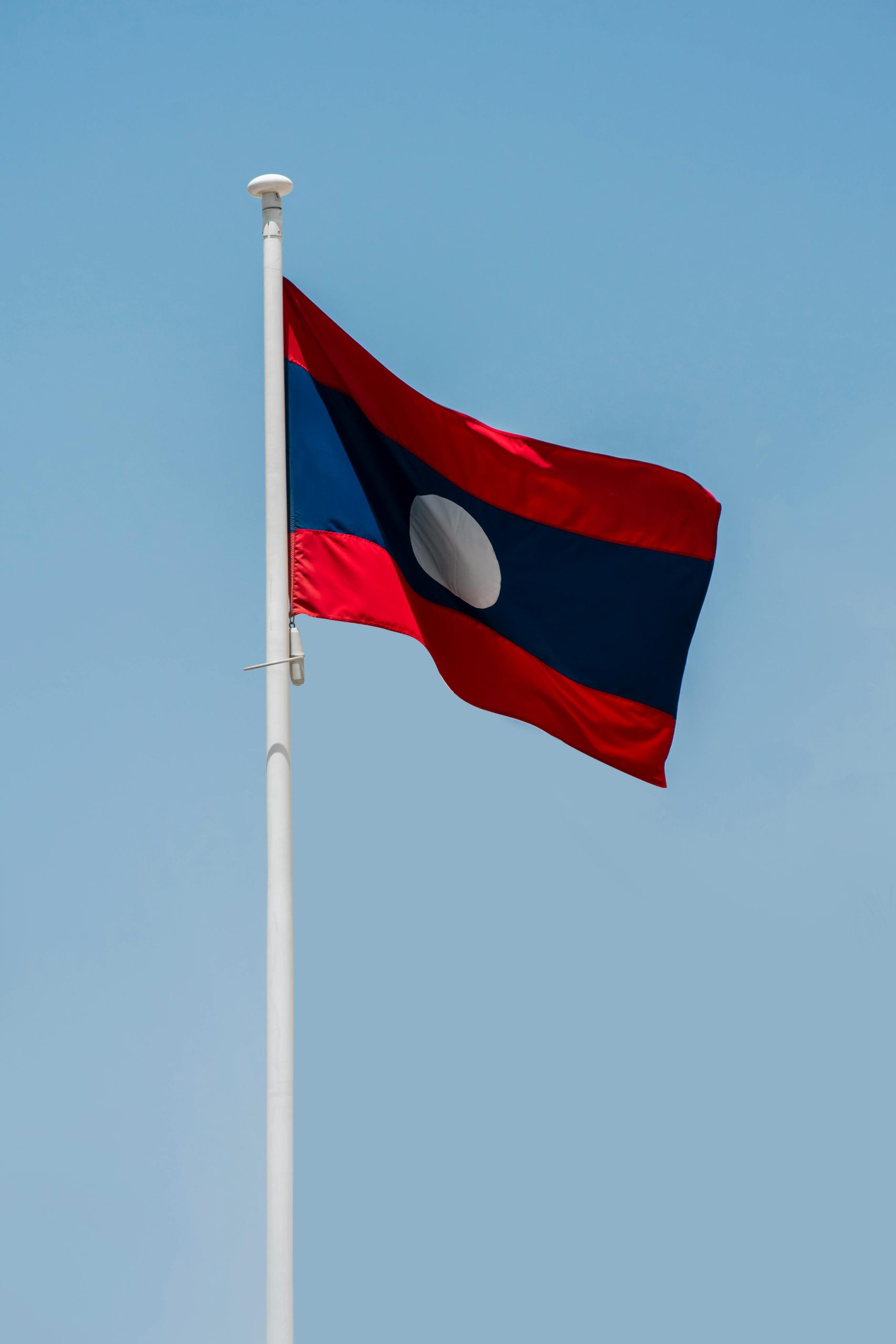

Laos’ Golden Triangle Special Economic Zone has made headlines worldwide not for the promising business of the region but for a deep relationship with the mafia. The Kings Romans Group, which manages the project, signed a 99-year lease agreement in 2007. The project has been very quick, from just a tourism and investment hub with the fame of being one of the cities of the world, to the purest defiance of how law can be simply ignored by blending three factors: economic power, political protection, and transnational criminal networks.
The group headed by Chinese entrepreneur Zhao Wei has been repeatedly charged with being the main facilitator of diverse illegal activities, which range from massive drug trafficking to money laundering, turning humans into slaves, and the illegal trade of endangered species. And the part that makes this drama even more complicated is the legal system of the zone itself. It is carried out with its own private police force, and it is said that even the Lao authorities need a special permit to get there, so applying national laws is practically impossible. The peculiar autonomy this enclave enjoys enables it to operate almost as if it were invisible to the law, hence the unimpeded criminal activities behind the guise of development.
Sanctions have been imposed by international law enforcement institutions as a reaction. In 2018, the US Treasury officially categorized Zhao Wei’s network as a transnational criminal organization. With this move, the group members who had assets within U.S. jurisdictions were barred from accessing their funds, and any financial transaction between the organization and the U.S. was prohibited. The UK joined the US in issuing hindrances toward the group, ranking the involvement of the gang in human trafficking and fronting scam operations as the reason. Whereas these measures signify the global community’s wakefulness, they bring out a fundamental difficulty existing in transnational law enforcement: they may tarnish the image and restrict money inflows, but oftentimes do not stop the very workings of these enterprises without the active presence of authorities on the ground.
Legal issues extend beyond Laos. With, for instance, a haven for online scams, illicit monetary flows, and human trafficking in the area, the destination not only jeopardizes regional security but also robs law enforcement in Southeast Asia of their integrity by undermining tit The problem of jurisdiction lies at the core of the problem. National governments are finding it hard to exercise their control in places like the Golden Triangle SEZ, where economic deals and local autonomy have lessened the power of the central government. This leads to a legal vacuum or a haven for organized crime groups to expand their network with little or no threat of being arrested and prosecuted.
The case of King’s Romans highlights the urgent legal questions that it raises. What are the procedures that a sovereign state should follow in battling over regions that are in practice under the control of private operators? Which way should the regional and international bodies act to close the loopholes that provide these kinds of hideouts with the opportunity of thriving? And maybe most importantly, how can the regulations that guarantee that only the legitimate economy benefits from and that development is not used as a criminal cover be strengthened?
What is evident is that the King’s Romans SEZ is no longer a mere tourism project. It’s the one who sets the precedent and/ or the most vivid example of Southeast Asia’s fight with the rule of law and economic autonomy is that conflict is not resolved there. Until domestic changes that call for more oversight and international collaboration enable the certification of the officials, this zone will inevitably be a strong emblem of the persistence of organized crime whenever legal systems are too weak—or too restricted—to take action.

