
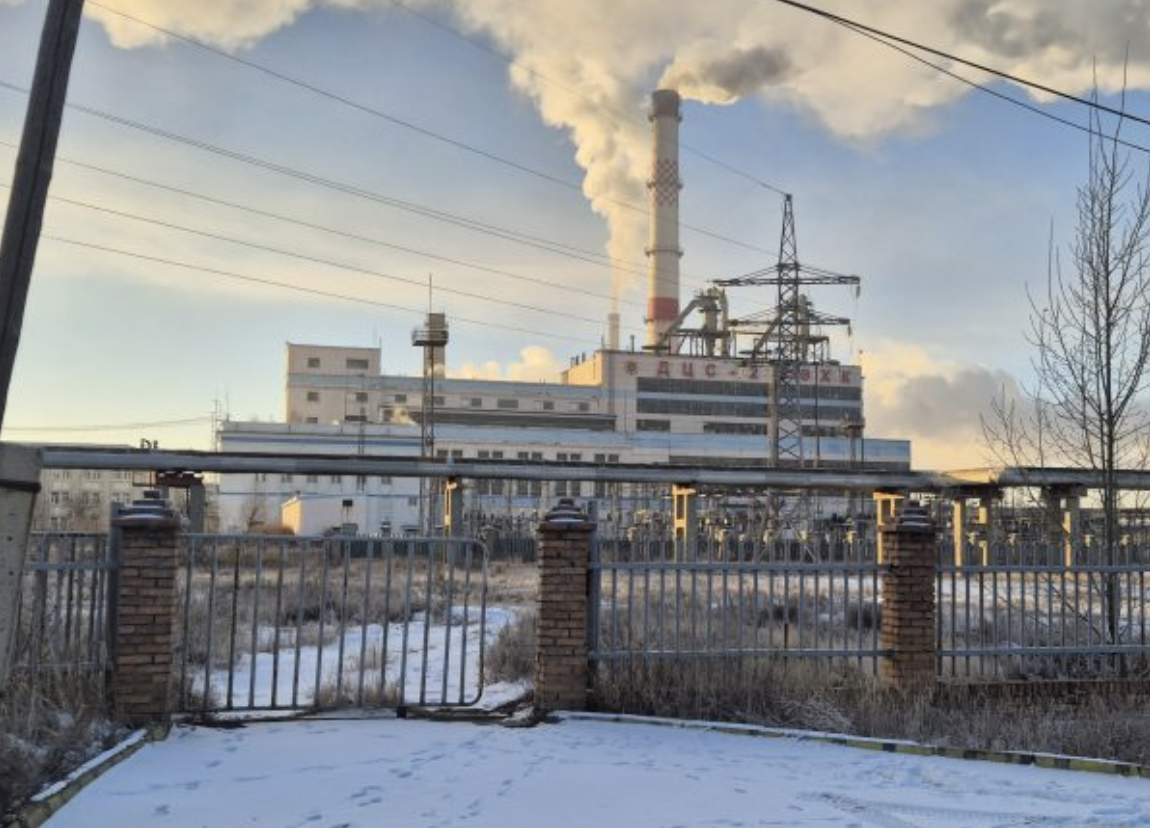

Mongolia is struggling to keep up with rising energy demand. Much of its grid still runs on aging coal plants. Capacity in Ulaanbaatar, where about a third of the country lives, is stretched. Blackouts hit homes and businesses, cutting into productivity and raising costs.
Economists warn the problem goes beyond outages. The country imports much of its fuel, leaving it open to price shocks and trade deficits. Analysts say that dependence makes growth unstable and shows the need for new investment in power.
The government has outlined plans to expand major plants and boost efficiency. Officials are also courting foreign investors for wind and solar projects. These efforts aim to reduce reliance on coal and open space for new industries and jobs.
Pipelines are another priority. Domestic links could cut imports of refined oil and lower costs for consumers. Officials argue the projects would create jobs and help shield the economy from external swings.
Regulation is seen as critical. Updated laws, clearer rules for investors and environmental safeguards are being drafted. Community engagement has been added to win public support.
Analysts say energy security now sits at the center of Mongolia’s economic strategy. Diversifying supply, modernizing plants and securing investment are seen as steps toward stability. Without them, officials warn, growth will remain vulnerable to outside shocks.

