
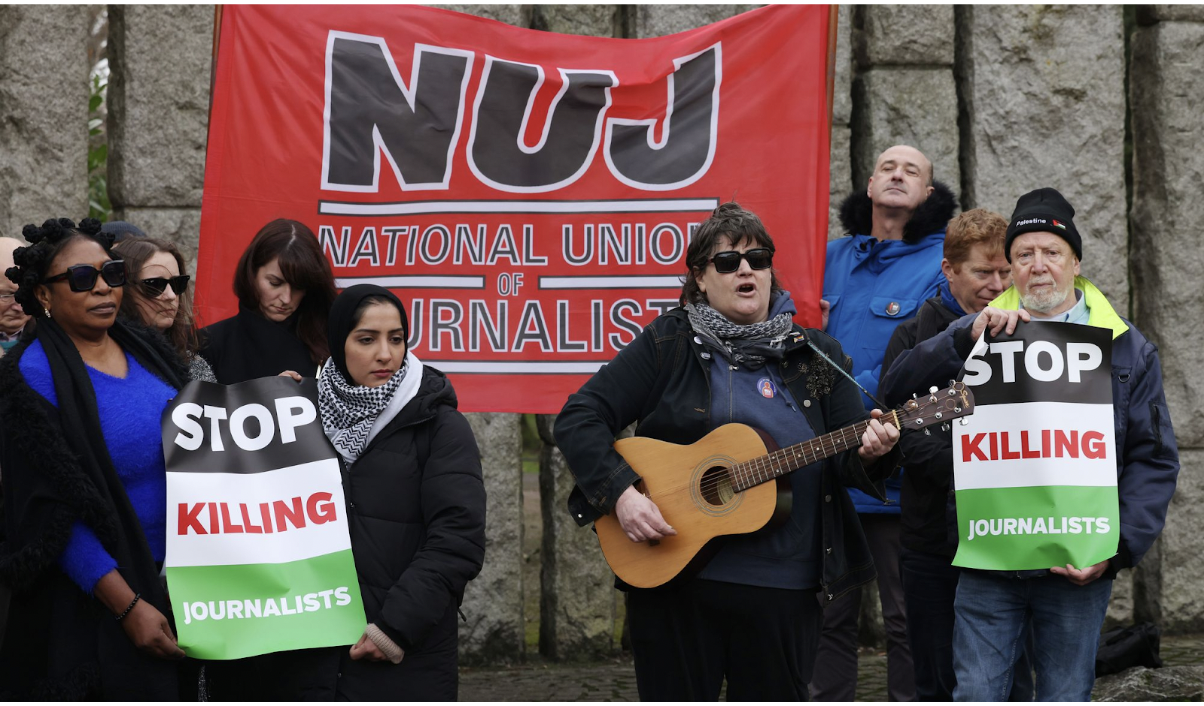

Europe is in uproar as news continues to emerge of journalists being killed in Gaza. The latest reports indicate that Israel’s military operations are increasingly targeting reporters, leaving the besieged enclave almost entirely devoid of on-the-ground media coverage.
One of the last remaining journalists, Mohammad Asad, issued an international plea to countries across the world, urging them to send reporters to Gaza. “When your enemy is the truth, you silence the reporters,” Asad said, warning that without journalists, Gaza is sliding into darkness. Each reporter who ventures into the territory risks death, often dismissed publicly as simply being affiliated with Hamas.
The silencing of media has provoked outrage across European capitals. Press freedom advocates, parliamentary committees, and human rights organizations have condemned the killings and called for immediate access for journalists. European officials emphasize that accurate reporting is critical—not just for the world to witness what is happening on the ground, but to hold accountable those responsible for civilian deaths.
European Governments and NGOs Respond
Governments in France, Germany, and Sweden have publicly condemned the targeted killings, issuing statements demanding that Israel allow safe passage for journalists. The European Parliament has called an emergency session to discuss potential sanctions or diplomatic measures to protect media workers in Gaza.
NGOs including Reporters Without Borders and the Committee to Protect Journalists have released coordinated appeals urging the European Union and the United Nations to pressure Israel into guaranteeing journalist safety. Demonstrations have erupted in cities like Berlin, Paris, and Brussels, with protesters holding banners reading, “Journalists Are Not Targets” and “Stop the Silence in Gaza.”
Critics note Israel’s apparent indifference to credibility. The government continues operations and messaging with little regard for international scrutiny, while independent reporting is systematically blocked or silenced. Observers argue this reflects a broader imbalance of power: nations with concentrated military, political, and economic clout often operate without meaningful consequences, leaving those under siege voiceless.
Mohammad Asad’s call is urgent: the world must allow journalists into Gaza before the last remaining witnesses are eliminated. Without them, the human story behind the conflict risks being buried, leaving the international community blind to ongoing violations.

