
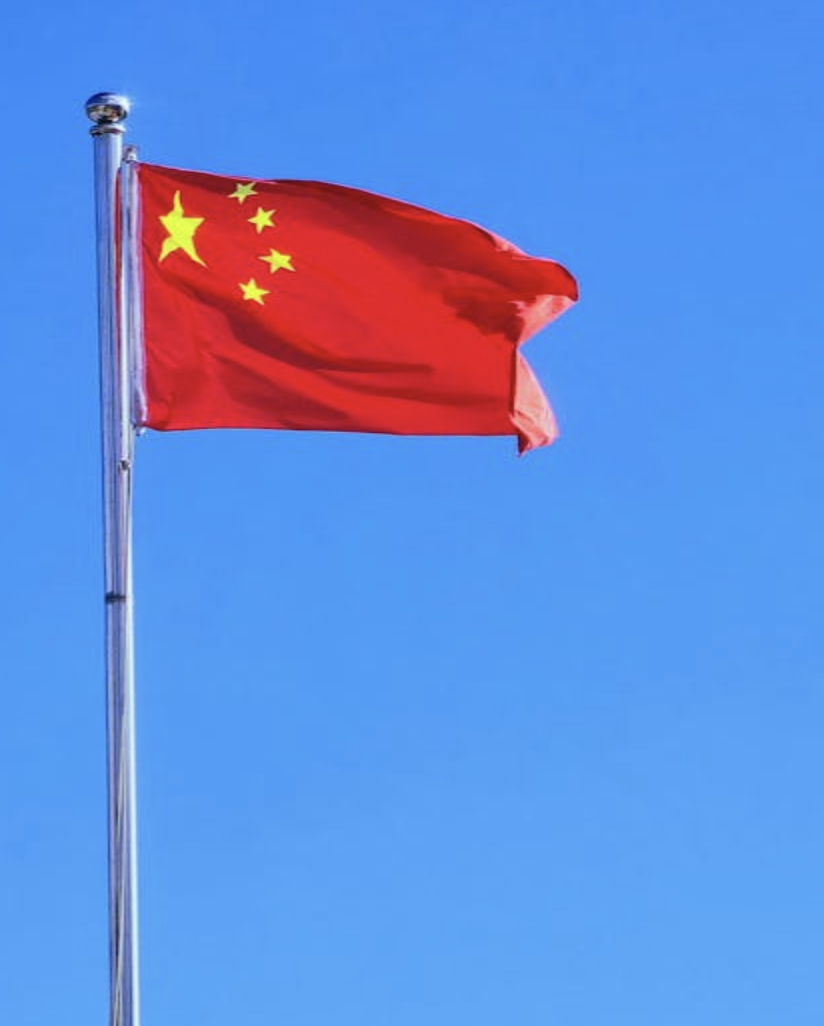

The Chinese embassy concert held at Australia’s Parliament House was abruptly canceled by Australian officials, causing a diplomatic showoff that demonstrates the sensitivity of the cultural field diplomacy in the current tense geopolitical situation.
A concert by artists from the Shenyang Conservatory of Music had initially been planned as a celebration of the end of World War II with Japan. As a tribute to peace and collective memory of the past through music, the Chinese Embassy was to hold the event in Parliament House’s Great Hall in Canberra. The Parliamentary Services Department had at first given the green light for the event but revoked it a few days before the concert, citing escalating political anxieties as the reason for the move.
On the political side, officials were dissatisfied with the concert. At the time that the Beijing administration was openly flaunting its military competence and was heavily engaged with Russia and North Korea, holding such a show in the very heart of the Australian political sphere was interpreted as a quiet nod to China’s larger game plan. There were many negative reactions in Canberra as people were concerned with the use of culture for political ends by China to enhance its global power while disturbing regional tranquility, especially in the case of Taiwan.
After the concert was banned from Parliament House, it was relocated to the Chinese embassy in Yarralumla, where it went on with about 400 guests, including diplomats, community leaders, and students.
There was a varied response from politicians in Australia. Greens foreign affairs spokesperson Senator David Shoebridge expressed in his critique “[…] nothing could be further from the truth than to say it was controversial, quite the contrary, it would have been a musical event celebrating the defeat of fascism[…]”. On the other hand, some voices believed that the canceled event was modest and prudent, as it avoided any political conflicts with the Chinese authorities exploiting the cultural scene for propaganda purposes in this distinct yet symbolic venue.
China, on its part, leaked the information that it thought Japan was the cause of the situation, and the Australian capital had yielded to external pressures. Australian officials strongly denied the allegation, stressing that the cancellation was a local choice with domestic reasons and different policy emphases.
The incident is very important in terms of time. It happened as Australian ministers were getting ready for high-level talks in Tokyo, and the government was describing Japan as a security and defense partner it could not do without. In this context, it would have been very difficult to interpret Canberra’s stance if it had allowed China to stage an event charged with politics in Parliament House.
In the end, a concert commemorating the history of wartime was turned into a diplomatic flashpoint. This incident highlights the fact that even nonpolitical events, such as concerts, are increasingly caught in the complex web of international rivalry and show Australia’s cautious stance vis-à-vis its most symbolic institutions when it comes to Chinese influence.

