
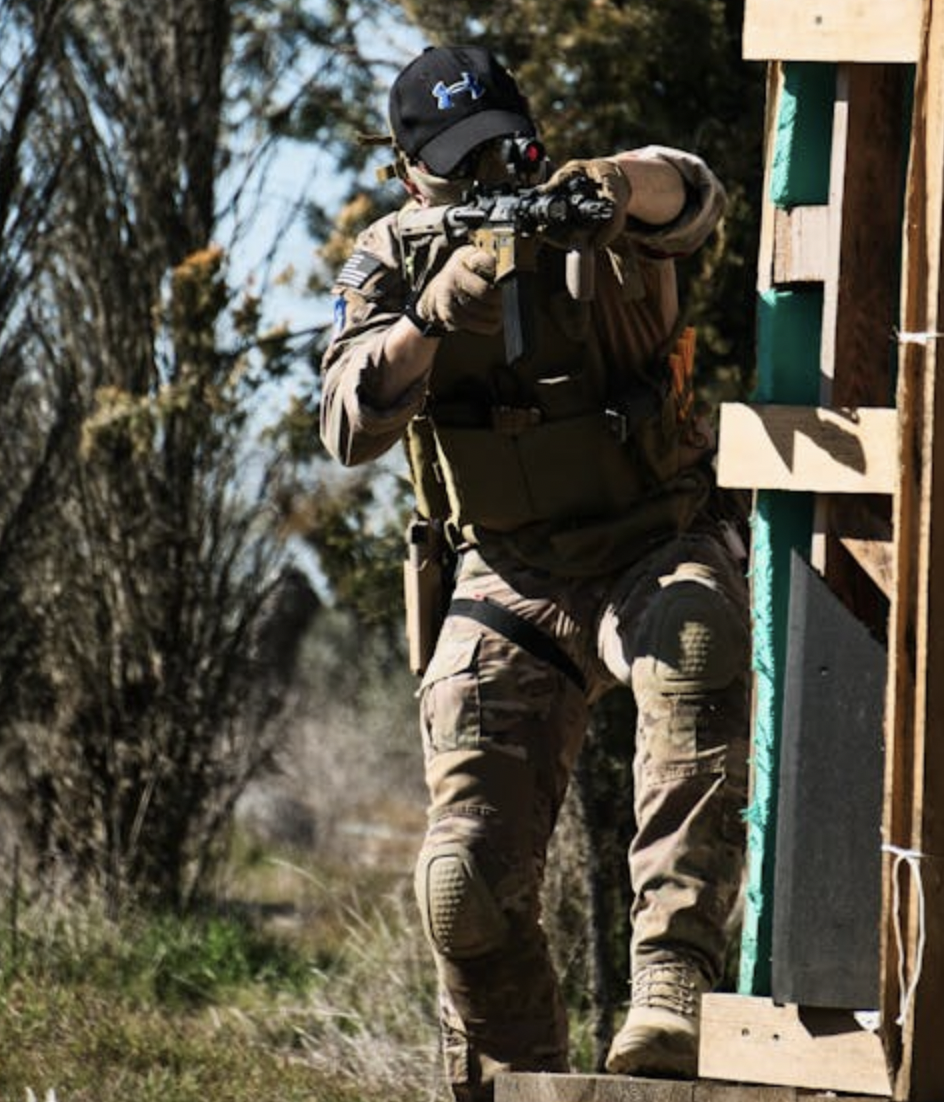

A first-hand narrative that was recently published has emboldened a vibrant dispute about a hush-hush mission by U.S. Navy SEALs in 2019 that ended with the death of North Korean civilians. After the show, the metal negotiations started, the operation whereby a secret listening device was to be installed in the North Korean area was given the green light by then-President Donald Trump. Due to a mistaken identification, the tragedy escalated when the soldiers opened fire. Victims in the disturbing scene were allegedly punctured in the lungs by killers to ensure their bodies sank to the bottom of the water, and the team left without finishing the task.
On a political level, the disclosure of the secret has raised the fear of abuse of power lack of control over executive activities. The operation was secret, and thus, the managing authorities were not only the public but also the congressional intelligence committees, were kept in the dark. This has led to lawmakers having suspicions about the breach of federal laws that regulate the notification of Congress about such undertakings. A qualified security law professor pinpointed the administration’s oversight in keeping parliament informed, calling it a clear break with the norms of legislative supervision.
From the legal viewpoint, the mission is riddled with issues as far as the observance of engagement rules and international standards for the treatment of armed conflicts. Civilians in a war scenario should not be killed, even if the intention was mistaken, without any minimum legal formalities being met. Later, the Pentagon internally justified the killings, but the non-transparency of the process has invited more intensive examinations of the issue.
Given the incident, this has triggered the procedural process under President Biden’s administration in which an independent investigation is required. Despite Congress being allowed to have an overview of the situation, the main points in the report, which remain classified, have left many questions open.
This case is one of the many instances that show the problem of balancing secretive national security measures and accountability in democratic governance. Moreover, it at present reignites the question of whether the extent of the powers of the President can be broadened in the case of secretive military actions, especially those which put the lives of civilians at stake and can cause diplomatic issues crossing borders.

