
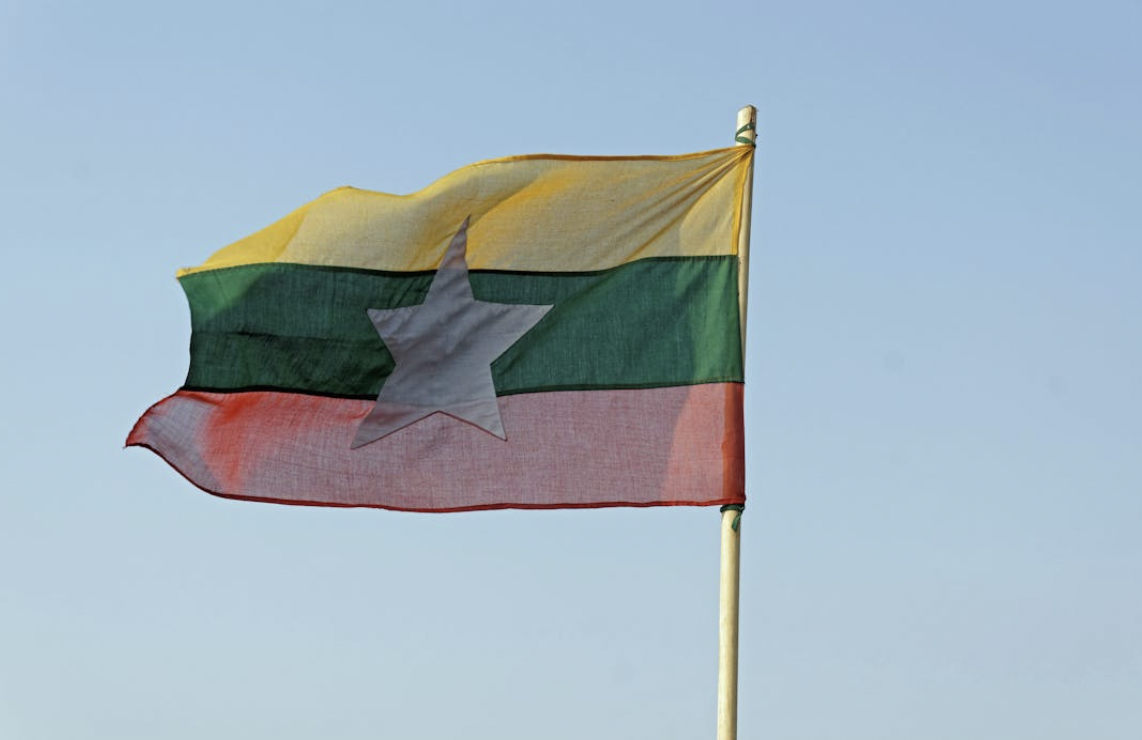

Min Aung Hlaing’s military junta in Myanmar is a nightmare vision of a world where authoritarian regimes maintain total control. Recently, it has been reported that the regime is using terror tactics, in particular, it is dropping bombs from the air on villages where innocent people are killed or wounded. These are but a few examples of the regime’s total rejection of human rights, as well as its pledge the use terror and physical force to maintain control.
The international community has responded, but it has mainly been off the mark. Many of the countries that make up the international community have been unable or unwilling to hold the junta fully accountable for the actions it has taken. Unsurprisingly, the regime not only gets more powerful because of the lack of accountability but also uses it as a lever towards other dictators around the globe. Right now, the circumstances in Myanmar point to the resiliency of democratic institutions as well as the fragility of the times when global powers are silent or hesitant and defectorial mentalities prevail.
Once world leaders meet at the UN General Meeting, the crisis in Myanmar could have the power to revive the observance of human rights and democratic principles in general. Disregarding the suffering of the Myanmar people will certainly allow such oppressive regimes to breed, thus compromising world calm and the values that are the foundation of international partnership.
The hardship in Myanmar, which has been going on for a while, is not only a problem of the neighboring countries of the area but also a global concern that mirrors the struggles to uphold democratic standards in the face of authoritarian rulers that are increasing in number. The international community must be totally committed to taking strong measures against such despots to stop the diminution of democratic values all over the globe.

