
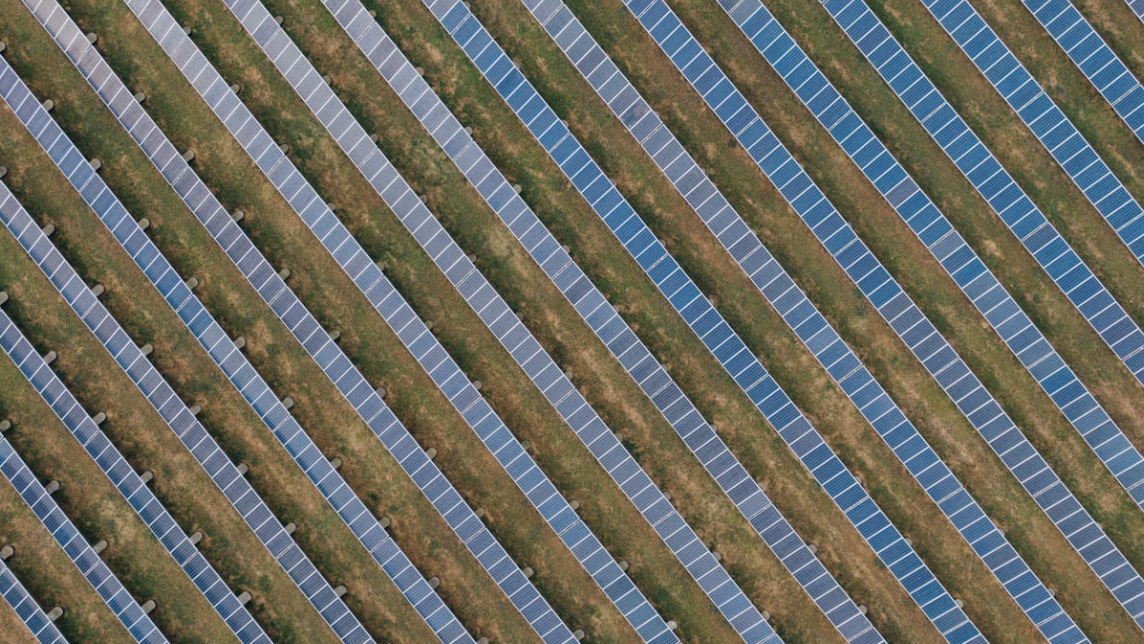

Indonesia’s clean energy shift has changed to an open battlefield in which the power and the money are contested by the United States and China. In fact, two countries are offering different paths that openly compete to grab major financial stakes. China has been within the front ranks having signed more than $54 billion in 2023 with the state utility of Indonesia alone. Then an extra $10 billion was promised after President Prabowo’s visit to Beijing in 2024. The acquisitions include solar energy projects, electric vehicle production, battery manufacturing, and supply chain for critical minerals, making it easier for China to maintain its primary investor role.
The cooperation between Indonesia and the Western countries under the Just Energy Transition Partnership at US$20 billion has somehow been dragging, with only approximately US$1.2 billion being disbursed till date. It is an extremely tiny amount compared to the US$97 billion that the country estimates it would need to have a full-fledged energy transition.
The US understands this as an opportunity, with the use of natural gas as a main argument, and is offering liquefied natural gas agreements as a temporary solution to be utilized until cleaner sources such as gas replace coal are worked out. However, this short path can become a “lock-in” to fossil fuel dependency for a period of several decades if Indonesia will not be able to switch to renewables quickly. In comparison, China is leading the transition by installing a big renewable infrastructure, but it may not be very environmentally friendly in many cases. There are also some concerns raised regarding the pollution of nickel mining and coal-powered smelters that are to be used for the production of batteries in Indonesia.
Moreover, the bet Indonesia is making is of gigantic proportions from a financial perspective. The country will have to focus on cash flows that can foster immediate industrial growth on the one hand while on the other it will have to consider the long-term environmental costs and dependency on energy. The possibility of selecting between the U.S. and Chinese paradigms may not only be the determining factor for the course of Indonesia’s clean energy but also for its role in the global market and supply chain, thus, the result will be very important for national development as well as regional influence.

