

Sonia Dahmani, a Tunisian lawyer and media commentator, was released from a prison in Manouba on Nov. 27, 2025. Dahmani had been detained since 2024 following a conviction related to comments she made during a television appearance about government policies.
Her lawyer, Sami Ben Ghazi, told reporters that the justice minister issued the release order under a system that permits prisoners to apply for release after serving half of their sentences.
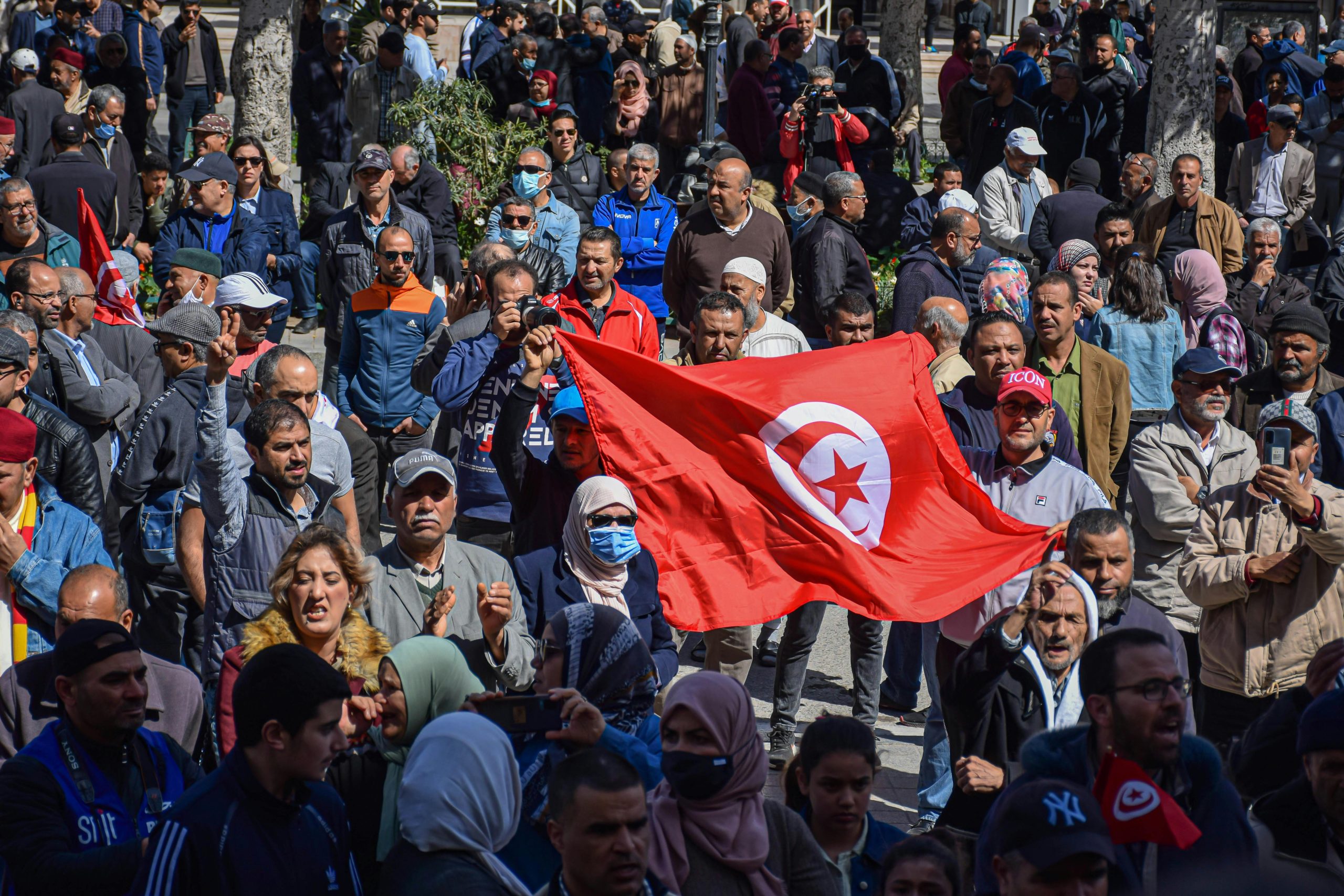
Upon her release, Dahmani addressed the media, stating, “I hope this is the end of the nightmare for me and all the other prisoners.” A group of family members and activists gathered outside the prison chanted slogans during her release.
Dahmani’s conviction was based on remarks made during a broadcast in which she questioned the government’s approach to undocumented migrants and refugees. In response to a question about migrants wanting to stay in Tunisia, she said, “What kind of extraordinary country are we talking about? The one that half of its youth want to leave?” A court determined the comments insulted the state and spread false information with the intent to cause harm.
The National Syndicate of Tunisian Journalists issued a statement welcoming Dahmani’s release and called for the release of other detained journalists.
Dahmani’s arrest and conviction occurred within a political context that has shifted since July 2021, when President Kais Saied suspended parliament and expanded his executive authority, allowing him to rule by decree. A new constitution, which codified many of these powers, was ratified in a 2022 referendum. That same year, the government enacted a decree addressing false news and rumors online, which has been cited in the prosecution of several media figures, lawyers, and political opponents. President Saied has maintained that his actions are legal and necessary to end political instability and corruption.
International and local rights organizations have commented on the situation in Tunisia. Human Rights Watch reported that since late 2022, more than 50 people, including politicians, journalists, and activists, have been subject to arrest or prosecution. This month, Amnesty International reported that actions targeting at least 14 non-governmental organizations, including arbitrary arrests and financial restrictions, have reached “critical levels.”
Other public figures have also faced legal challenges. Tunisian courts have issued several jail sentences to Rached Ghannouchi, leader of the Ennahdha Party and former Parliament Speaker, in cases his supporters have described as politically motivated. In July, Nadia Akacha, President Saied’s former chief of staff, was sentenced in absentia to 35 years in prison.

