
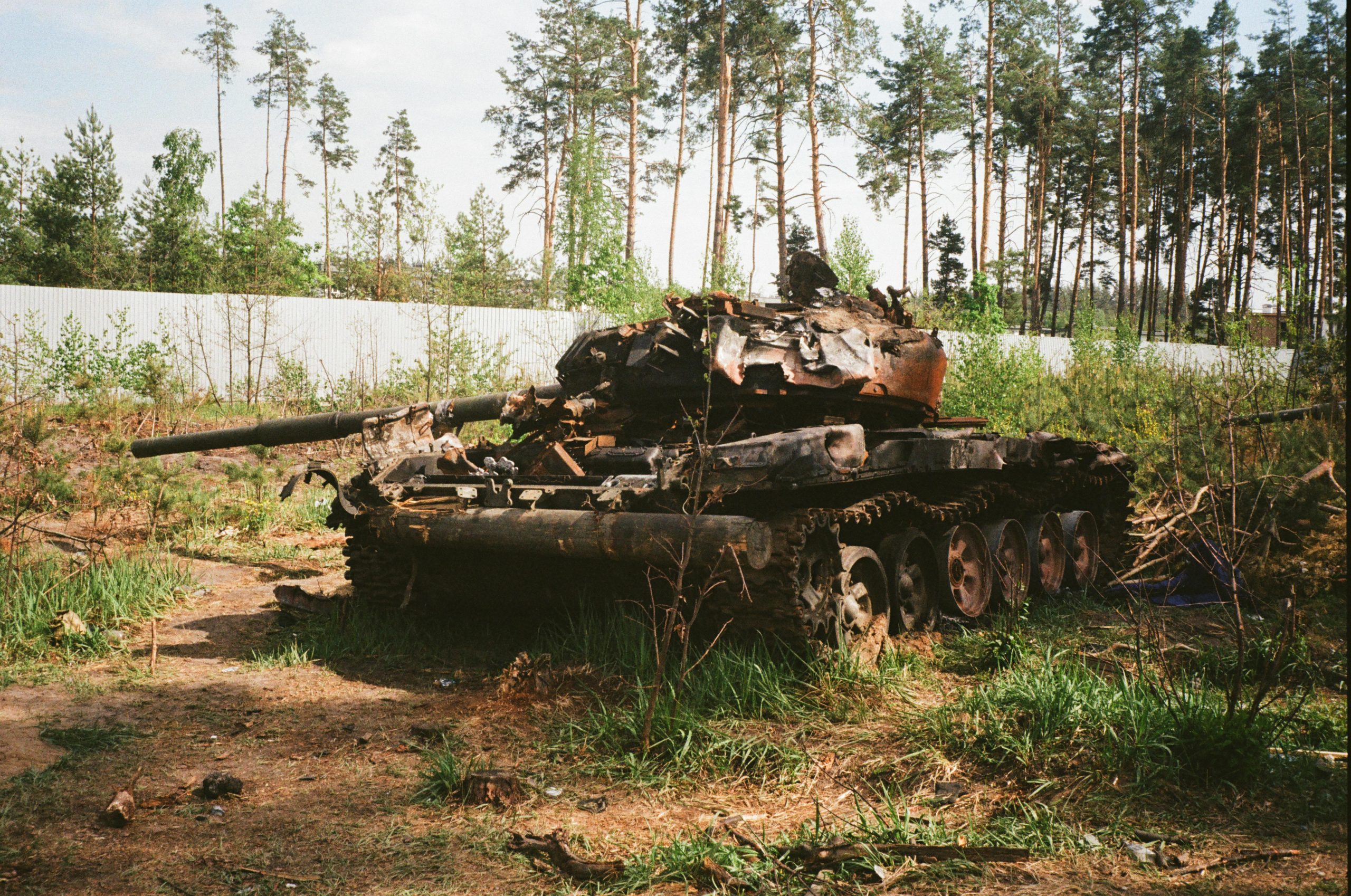

The Bosnian War was an international armed conflict that occurred in Bosnia and Herzegovina between April 1992 and December 1995, following the broader dissolution of Yugoslavia. The war involved multiple factions, primarily aligned with the country’s main ethnic groups—Bosniaks (Bosnian Muslims), Serbs, and Croats—and was characterized by prolonged military sieges and campaigns of ethnic cleansing. Post-war research commissioned by the Bosnian authorities estimated the conflict resulted in approximately 100,000 deaths and the displacement of over 2.2 million people.
Origins of the Conflict
The war began in the context of rising nationalism across the republics of the Socialist Federal Republic of Yugoslavia after the death of its longtime leader, Josip Broz Tito, in 1980. Following independence declarations by Slovenia and Croatia in 1991, Bosnia and Herzegovina held its own referendum on March 1, 1992.
According to official results, 99.7% of voters supported independence. A significant portion of the Bosnian Serb population, encouraged by their political leaders, boycotted the vote. Following the referendum, Bosnian Serb leaders declared the establishment of their own republic, which later became the Republika Srpska. The European Community recognized Bosnia and Herzegovina as an independent state on April 6, 1992. Shortly thereafter, armed conflict began.
Major Events and Campaigns
The war was marked by several significant military operations and long-term sieges. On April 5, 1992, Bosnian Serb forces began the Siege of Sarajevo, which lasted until February 1996. The capital was subjected to shelling and sniper fire, resulting in an estimated 11,000 casualties, according to official city records.
In other parts of the country, forces engaged in ethnic cleansing to create ethnically homogenous territories. In the Prijedor region of northwestern Bosnia, Bosnian Serb authorities established detention camps, including Omarska and Keraterm. The International Criminal Tribunal for the former Yugoslavia (ICTY), established by the United Nations in 1993, documented killings, torture, and abuse of Bosniak and Bosnian Croat civilians in these camps.
From late 1992 until early 1994, a separate conflict emerged between Bosnian Croat forces (HVO) and the Army of the Republic of Bosnia and Herzegovina (ARBiH). During this period, Croat forces killed more than 100 Bosniak civilians in the village of Ahmici in April 1993, an event the ICTY also investigated and prosecuted.
Srebrenica Genocide and International Intervention
In July 1995, Bosnian Serb forces advanced on the town of Srebrenica, which the UN had declared a “safe area” in 1993. After taking control of the enclave on July 11, forces under the command of General Ratko Mladic systematically separated Bosniak men and boys from women and children. In the days that followed, more than 8,000 Bosniak men and boys were executed. Both the ICTY and the International Court of Justice later ruled that these mass killings constituted genocide.
The events in Srebrenica, along with a second deadly mortar attack on Sarajevo’s Markale market in August 1995, prompted a more direct international response. NATO launched a series of air strikes against Bosnian Serb military positions, which contributed to bringing the warring parties to peace negotiations.
The Dayton Agreement and Post-War Accountability
U.S.-brokered negotiations at an airbase in Dayton, Ohio, concluded on November 21, 1995, with the initialing of the General Framework Agreement for Peace in Bosnia and Herzegovina, commonly known as the Dayton Agreement. The accord, formally signed in Paris on December 14, 1995, ended the war.
The agreement preserved Bosnia and Herzegovina as a single state but divided it into two primary political entities: the Federation of Bosnia and Herzegovina and the Republika Srpska. It also established a complex political structure and included provisions for the right of all refugees and displaced persons to return to their homes.
The ICTY was tasked with prosecuting individuals for war crimes. Over its 24-year mandate, the tribunal indicted 161 individuals and sentenced 90. Among those convicted were Radovan Karadzic, the wartime Bosnian Serb political leader, and Ratko Mladic, the military commander, both of whom received life sentences for genocide, crimes against humanity, and war crimes.

 involved ethnic factions, sieges, and ethnic cleansing, resulting in 100,000 deaths. It ended with the Dayton Agreement and saw ICTY prosecutions.)