
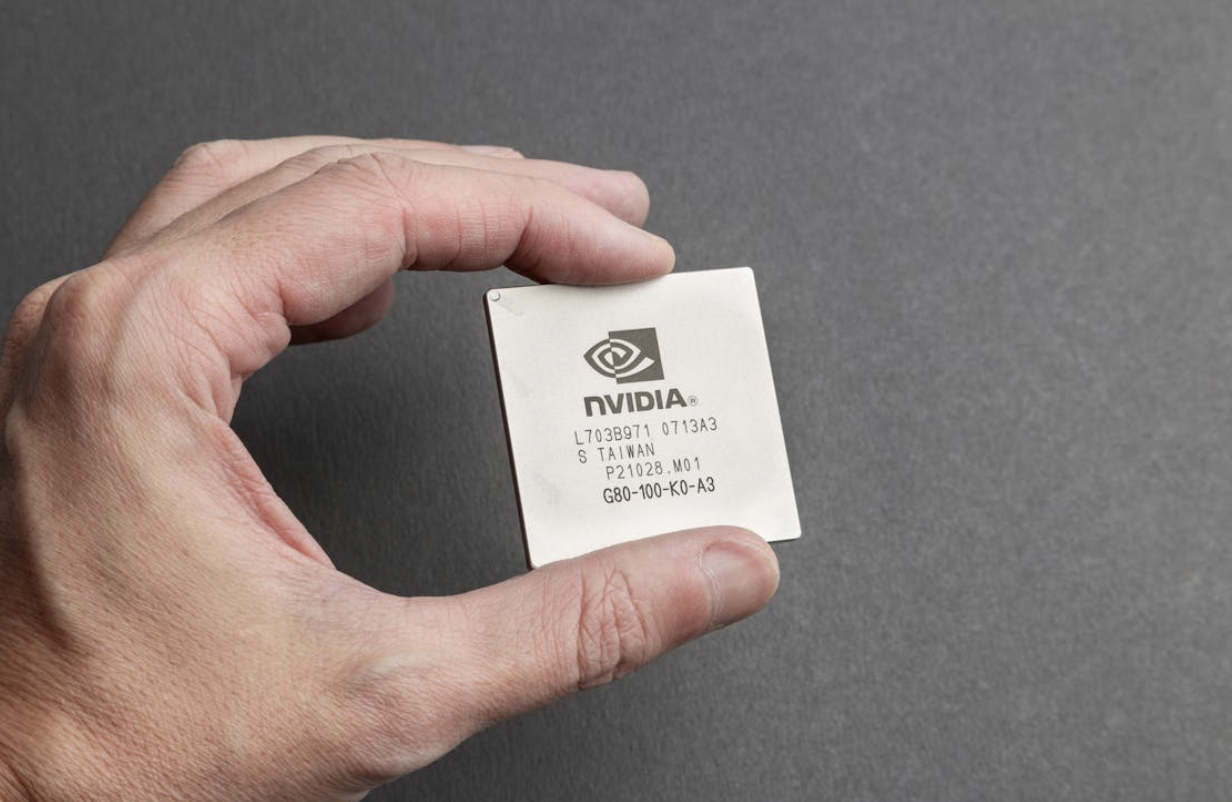

Chinese customs authorities have informed customs agents that Nvidia’s H200 artificial intelligence chips are not permitted for import, according to a Reuters report published this week citing three individuals briefed on the matter. The directive was reportedly communicated to agents within the past week, clarifying the import status of the high-performance processor.
As of this report, neither China’s General Administration of Customs nor Nvidia has issued a public statement confirming or commenting on the directive. The information relies on sources who spoke with the news agency on the condition of anonymity.
The development occurs amid comprehensive export controls implemented by the United States government. In October 2023, the U.S. Department of Commerce updated and expanded its regulations to restrict China’s access to advanced semiconductor technology, including high-performance AI chips. The stated goal of these regulations is to limit China’s ability to acquire and use such technology for its military modernization and surveillance programs.
Nvidia, a U.S.-based technology company, designed the H200 chip specifically for the Chinese market as a response to these heightened U.S. export controls. The H200 was developed with reduced performance specifications intended to comply with the new American rules, allowing the company to continue serving its clients in China. The chip is one of three processors Nvidia created for the Chinese market following the October regulations.
Prior to the latest restrictions, Nvidia had developed other modified chips, such as the A800 and H800, to meet earlier U.S. export guidelines. The sale of those processors was halted after the U.S. government’s October 2023 update broadened the scope of its controls.
China has been a significant market for Nvidia. During a November 2023 earnings call, Nvidia Chief Financial Officer Colette Kress stated that sales to China and other countries affected by the U.S. export controls had contributed “meaningfully” to the company’s data center revenue in recent quarters. Kress added that the company expected sales to these regions to “decline significantly” in the following quarter due to the U.S. regulations.
The reported instruction to Chinese customs agents regarding the H200 introduces a new factor into the trade dynamics of advanced technology between the U.S. and China. The status of future shipments and the regulatory environment for high-performance computing components remain subjects of government policy in both nations.

