
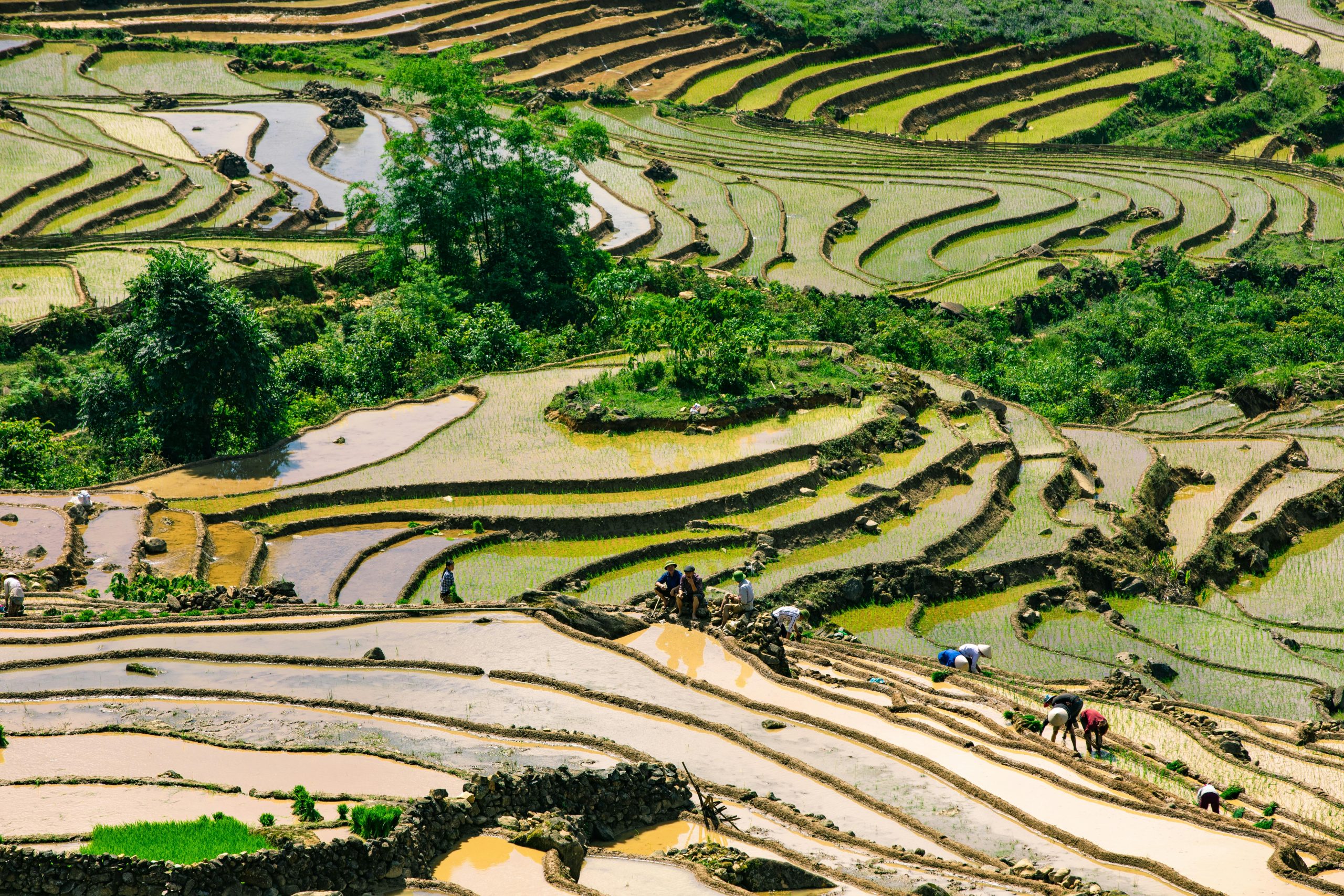

Vietnam’s Ministry of Agriculture and Rural Development (MARD) has initiated a program to develop one million hectares of high-quality, low-emission rice cultivation, primarily in the Mekong Delta. The plan, outlined in recent government directives, aims to restructure rice production to reduce greenhouse gas emissions, adapt to climate change, and increase the value of Vietnamese rice in the global market.
The initiative is part of a national plan for sustainable agricultural development through 2030. According to statements from MARD, the program will be implemented in two phases. The first phase, through 2025, will focus on consolidating existing low-emission rice cultivation areas in 12 provinces and one city in the Mekong Delta, covering approximately 180,000 hectares. The second phase, from 2026 to 2030, will expand the project to its one-million-hectare target.
Officials stated the program’s objectives include reducing greenhouse gas emissions by more than 10% compared to traditional rice farming and increasing the added value of the rice chain by 40% by 2030. The project also intends to directly benefit farmers by improving their livelihoods through sustainable practices.
Technical support for the program is provided through international partnerships. The United States Department of Agriculture (USDA) is funding the “Fertilise Right” project, which assists Vietnamese farmers in optimizing fertilizer use and adopting new cultivation techniques. These methods include alternate wetting and drying irrigation and sustainable rice straw management.
At a workshop discussing the project, government and agricultural sector representatives noted that the transition to sustainable farming is a response to both environmental commitments and international market demands. Consumers in Europe, North America, and Japan are increasingly seeking products with certified low-carbon and environmentally friendly production processes.
According to MARD, by reorganizing production and building links between farmers and businesses, the program is designed to create a stable supply of high-quality rice that meets these export standards. The ministry reports that successful pilot programs have already demonstrated the potential for reduced water and fertilizer use while maintaining or increasing crop yields.
The program aligns with Vietnam’s national commitment made at the 2021 United Nations Climate Change Conference (COP26) to achieve net-zero carbon emissions by 2050. Agricultural production, particularly wet rice cultivation, is a significant source of methane emissions in the country. This initiative represents a component of the government’s strategy to address agricultural emissions.

