
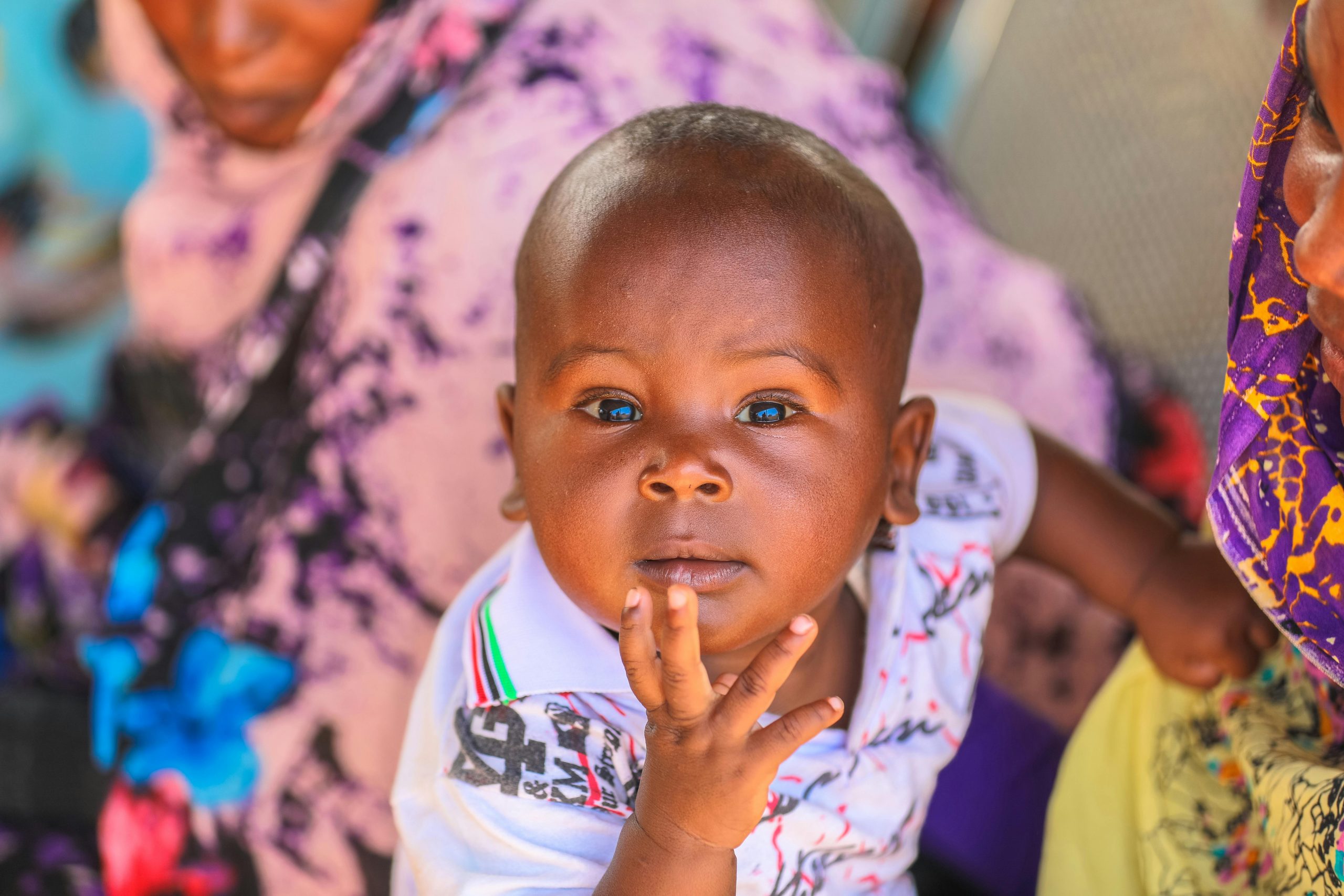

Health officials and a local community group in Sudan’s East Darfur state have reported a measles outbreak resulting in multiple deaths and hundreds of infections since March. The outbreak is occurring amid significant disruptions to the region’s healthcare system, which sources on the ground attribute to the ongoing conflict.
There are conflicting reports on the number of people affected. The Labado crisis unit, a community-run organization, reported approximately 70 deaths and 1,000 infections across 12 neighborhoods in the Labado area, according to its coordinator, Mohamed Abdel Aziz.
In contrast, East Darfur’s health director, Dr. Jabir al-Nadeef, confirmed to Al Jazeera that measles had been identified in four districts of the state but reported lower figures of 26 deaths and 300 cases. Dr. al-Nadeef stated that a vaccination campaign was scheduled from April 18 to April 24, following a vaccine delivery from Chad via UNICEF on April 11.
According to the World Health Organization (WHO), measles is a highly contagious viral disease that can lead to serious complications, particularly in young and malnourished children. There is no specific treatment for the virus.
The United Nations Children’s Fund (UNICEF) first recorded measles cases in the wider Darfur region in January. Eva Hinds, a UNICEF spokesperson for Sudan, told Al Jazeera that factors constraining the response include “insecurity, displacement, damaged health facilities, and prolonged disruption to routine immunisation.” Hinds noted that measles vaccination coverage in the country has fallen to 46 percent.
Residents in Labado described challenges in accessing medical care. Hawa Adam, a 37-year-old resident, said her two-year-old son died from the illness in February. She attributed his death to a lack of available vaccinations and qualified medical personnel in the area.
Ismail Issa, another resident, said his two-year-old daughter died on March 11, and the children of two of his siblings died later that month. He said his family used water compresses and local plant remedies because they could not find or afford medication.
Abdel Aziz of the Labado crisis unit stated that the local government health center ran out of medicine on February 23. While drugs are available at private pharmacies, he said the costs are prohibitive for many residents, with intravenous fluids costing the equivalent of $20.50 and antibiotics ranging from $25.60 to $38.40.
In response to the broader outbreak, UNICEF reported that a measles-rubella vaccination campaign has been completed in Central and West Darfur, as well as parts of North and South Darfur, reaching approximately 2.1 million children. The campaign in East Darfur was scheduled for mid-to-late April, with a goal of reaching nearly 750,000 children. Dr. al-Nadeef confirmed that vitamin A, used to prevent and treat complications, has been supplied to all areas of East Darfur.
Local doctors have called for intervention from international health organizations, citing the re-emergence of previously controlled diseases. Speaking about the situation in Darfur, resident Hawa Adam said, “Those without money die.”

