
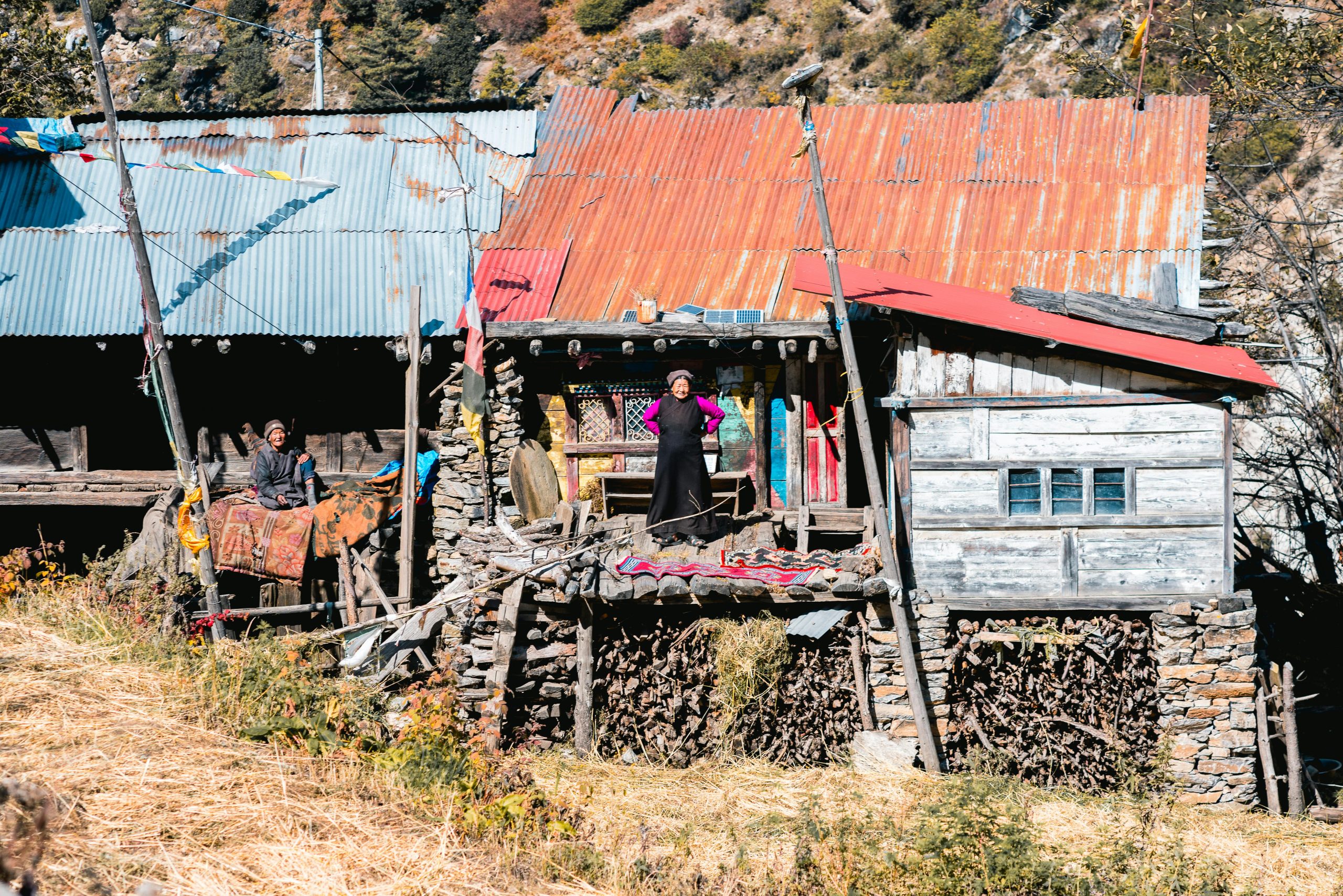

Thousands of families in Nepal’s Karnali Province continue to reside in temporary shelters more than six months after a magnitude 6.4 earthquake struck the region on November 3, 2023. Government-led reconstruction and aid distribution efforts are underway but have faced delays, leaving many residents in the districts of Jajarkot and Rukum West without permanent housing as the annual monsoon season begins.
The earthquake, with its epicenter in Jajarkot, resulted in at least 157 fatalities and injured hundreds, according to Nepal’s National Disaster Risk Reduction and Management Authority (NDRRMA). The agency also reported that more than 62,000 homes were either destroyed or damaged across the affected districts, displacing a significant portion of the local population.
In response, the Government of Nepal announced a relief and reconstruction package. This included an initial grant of NPR 50,000 (approximately $375) per eligible family for the construction of temporary winter-proof shelters. The government also pledged further financial assistance in installments for the rebuilding of permanent homes.
According to government reports from May, the distribution of the first tranche of aid for temporary shelters has reached a majority of the identified beneficiaries. However, the subsequent phases of financial support for permanent reconstruction have progressed at a slower pace.
Officials from the NDRRMA and local administrative offices have cited several factors contributing to the timeline of the reconstruction process. These include the logistical challenges of operating in remote, mountainous terrain, the completion of detailed damage assessments, and the administrative procedures required to verify beneficiary lists and disburse funds. The government has stated its commitment to accelerating the process.
Aid organizations and residents in the affected areas have raised concerns about the condition of the temporary shelters, many of which are constructed from tarps, corrugated tin, and salvaged materials. With the arrival of the monsoon rains, which typically last from June to September, the durability of these structures and the health conditions of those living within them are a primary concern.
Humanitarian agencies, including the United Nations and various non-governmental organizations, continue to provide support in the region. Their efforts have focused on delivering food, medical supplies, and materials for more resilient temporary shelters while the government-led permanent reconstruction effort continues.
The process of rebuilding is ongoing, with local authorities tasked with overseeing the distribution of funds and ensuring construction complies with earthquake-resistant building codes. The full reconstruction of homes and public infrastructure in Karnali Province is expected to extend over a multi-year period.

