
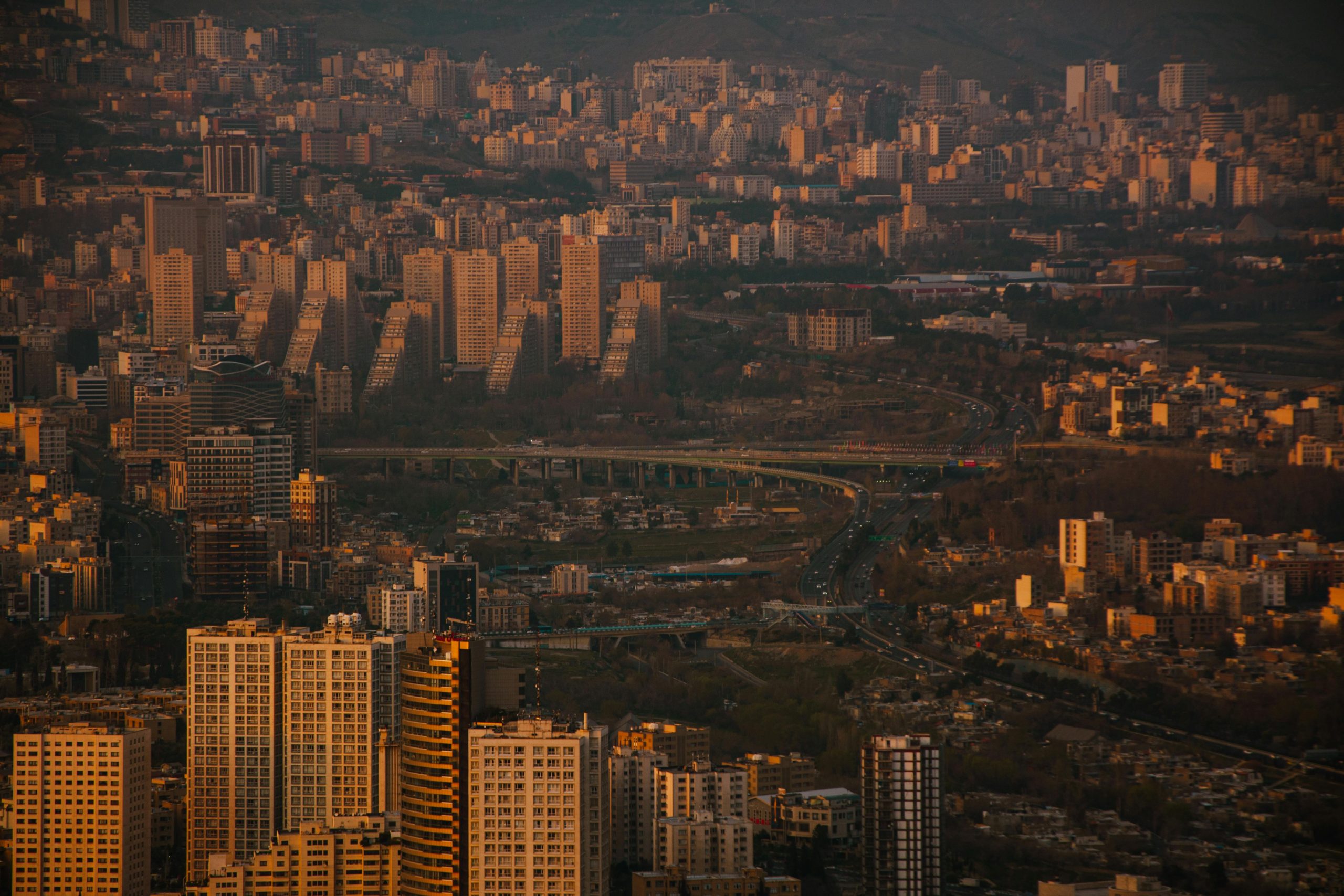

A series of nine small earthquakes struck the Pardis area east of Tehran overnight, Iran’s Mehr news agency reported on May 13. The seismic activity, which caused no officially reported casualties or damage, occurred near the active Mosha fault line and has led seismologists to reiterate concerns about the capital’s vulnerability to a significant earthquake.
State media reported that the largest of the tremors registered a magnitude of 4.6. The succession of quakes was recorded over a single night in eastern Tehran province, an area near the Mosha fault. This fault is one of Iran’s most active seismic zones, extending approximately 93 miles (150 kilometers) and located about 25 miles (40 kilometers) from the capital. While minor tremors are common in the region, multiple occurrences in a short period are less frequent.
Speaking to the semi-official Mehr news agency, seismologist Mehdi Zare said it was not clear whether the recent tremors indicated a release of built-up seismic energy, which could reduce future risk, or if they were potential precursors to stronger activity.
Zare noted that several factors contribute to Tehran’s seismic risk, including its proximity to active fault lines, dense urban development, and high population concentration. He stated that even relatively small earthquakes could cause disruption in the capital due to infrastructure conditions and urban congestion, which could complicate emergency response efforts.
Tehran, a metropolitan area of more than 14 million people, lies near several major active faults, including the North Tehran, Mosha, and Rey faults. For years, Iranian experts have warned that a major earthquake near the capital could have severe consequences.
Iran is situated in one of the world’s most seismically active regions. The country has a history of major earthquakes, including the 2003 earthquake in the city of Bam, which resulted in the deaths of more than 30,000 people.

