
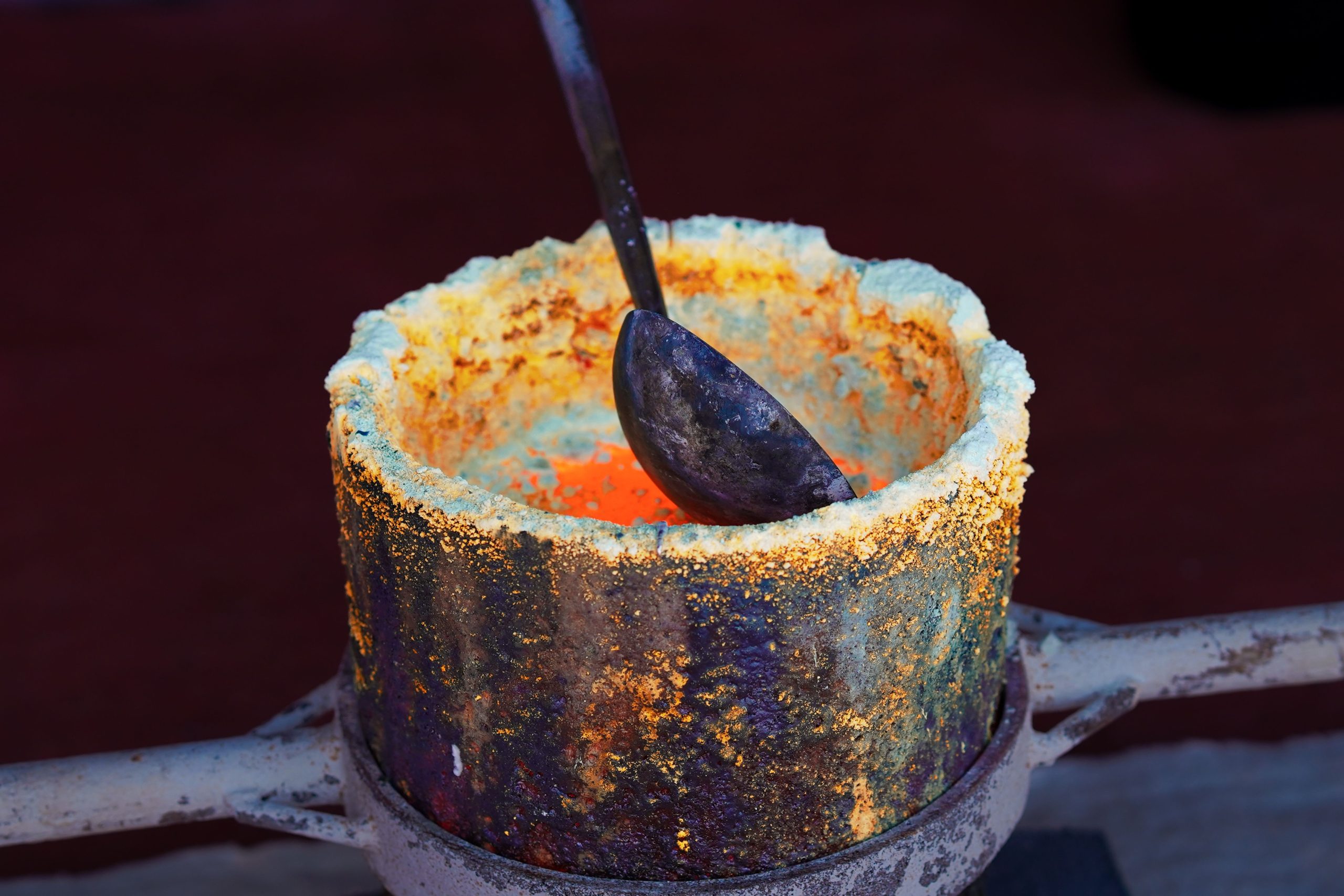

The government of Guinea announced an immediate ban on the export of unrefined gold, a policy disclosed by interim President Mamadi Doumbouya on May 22, 2024. The directive was issued during a meeting in Conakry with industrial and artisanal gold producers and buyers, with the stated goal of increasing domestic processing of the country’s mineral resources.
During the meeting with mining sector representatives, Doumbouya articulated the government’s new policy. “From now on, the export of raw gold is banned,” he stated, according to reports from the presidency. “All gold must be refined in Guinea.” The ban applies to all gold extracted within the country by both large-scale industrial companies and smaller-scale artisanal miners.
The stated purpose of the policy is to add value to Guinea’s natural resources before they are sold on the international market. Government officials have indicated the move is intended to boost state revenue, stimulate economic growth, and create local employment opportunities within a domestic refining industry.
Guinea holds substantial mineral wealth, including significant deposits of gold, diamonds, and iron ore, and is the world’s second-largest producer of bauxite, the primary ore used to make aluminum. The mining sector constitutes a significant portion of the nation’s gross domestic product and is a primary source of foreign exchange.
The implementation of the export ban occurs as Guinea currently has limited industrial-scale gold refining capacity. According to government statements, plans are in development for the construction of a state-owned gold refinery. The Ministry of Mines and Geology has previously outlined a project to build a facility capable of processing several tons of gold per year.
This policy is part of a broader push by Doumbouya’s government, which took power in a coup in September 2021, to secure greater national benefit from the country’s resource extraction industries. Since taking office, the administration has reviewed mining contracts and advocated for policies that it says will ensure more of the profits from mining remain within Guinea. The government has previously engaged in similar efforts regarding the country’s bauxite and iron ore sectors.

