
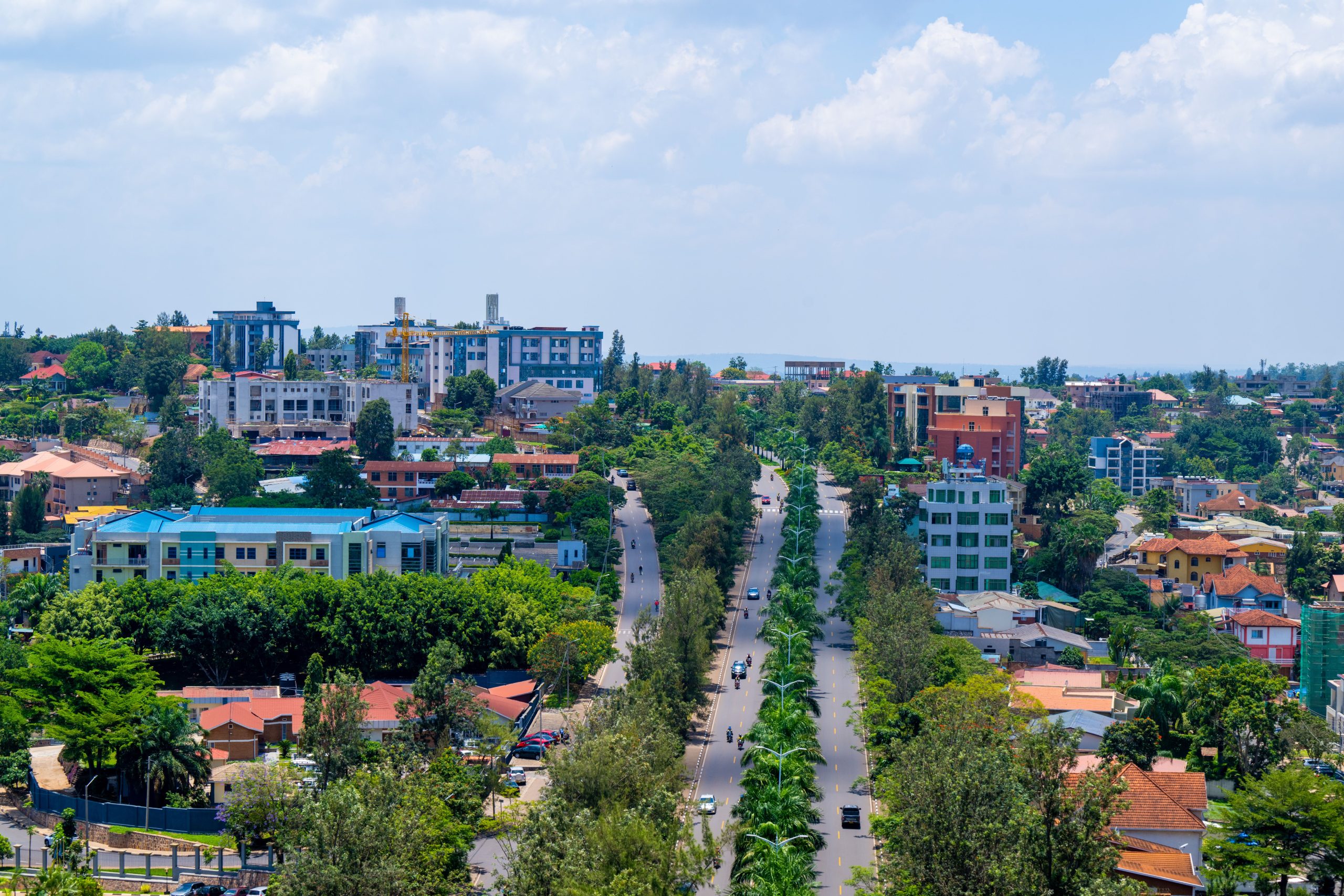

On July 4, Rwanda observed Liberation Day, a national holiday commemorating the 32nd anniversary of the military victory that ended the 1994 genocide against the Tutsi. The day was marked by official ceremonies and reflections from citizens on the country’s development, ongoing economic challenges, and the lasting personal impacts of the nation’s history.
Liberation Day recognizes the date in 1994 when the Rwanda Patriotic Front (RPF), led by current President Paul Kagame, took control of Kigali, bringing an end to the 100-day period in which an estimated 800,000 people were killed. Since taking office in 2000, Kagame’s government has centered its national project on unity, security, and economic transformation.
According to economic data, Rwanda’s economy has grown by an average of approximately 7 percent annually over the last decade, with development focused on tourism, technology, mining, and agribusiness. The government has stated its goal is to transform Rwanda into a high-income country by 2050.
For many Rwandans, particularly those in the younger generation which comprises over 65 percent of the population, the holiday prompts a range of reflections.
Claudette Kamikazi, a 29-year-old shop owner in Kigali, was born after the genocide. She told Al Jazeera that the history of the period continues to shape her life. Her mother is a genocide survivor, and her father was convicted for his role in the violence and sentenced to life imprisonment in 1998.
“Liberation means survival for my mother. It means my life. But it also reminds me why my father is where he is. It’s a difficult feeling to explain,” Kamikazi said. She noted that she expects her father to be released this year as part of reconciliation programs.
Youth unemployment remains a significant issue. A recent government survey reported the youth unemployment rate at approximately 14 percent. Christopher Teganya, a 26-year-old with a master’s degree who is currently unemployed, expressed his view on the situation.
“Liberation was a great start for a new Rwanda, but the government needs to do more,” Teganya told Al Jazeera. He referenced a 2024 campaign pledge by the RPF to create 200,000 jobs annually, a goal he feels has not been met.
While Rwanda’s economic and infrastructural development is visible, some rights groups have raised concerns over restrictions on political opposition and freedom of expression.
The personal and societal healing process is also a prominent theme for citizens. Sabrine Gatesi, a 30-year-old nurse, said the country’s recovery involves addressing psychological trauma.
“Liberation is more about healing from wounds we cannot see but live with every day,” Gatesi told Al Jazeera.
Research conducted by Rwanda’s health authorities found that one in five people in the country lives with a mental health disorder. The figure is higher among genocide survivors, at more than 50 percent. Gatesi noted that while the country celebrates its transformation, the state of mental health indicates an ongoing healing process for the nation.

