

A network of e-commerce and logistics companies is enabling consumers across Africa to purchase goods from major U.S. retailers, including Amazon and Walmart, which lack a direct operational presence in many of the continent’s countries. These intermediary services manage payment, shipping, and delivery, addressing common barriers that have historically limited access to international online shopping for many African consumers.
The model typically involves a local company that provides customers with a platform, often a mobile app or website, displaying products available from U.S.-based stores. Shoppers can place orders and pay in their local currency using methods such as mobile money, bank transfers, or cash-based systems.
According to a report from The Wall Street Journal, companies like MallforAfrica have established this operational framework. Once a customer places an order, the intermediary firm purchases the item on their behalf from the U.S. retailer. The company then handles the entire logistics chain, including international shipping, customs clearance, and last-mile delivery. Deliveries are often made to designated pickup points or directly to a customer’s address, circumventing challenges related to the lack of standardized addressing systems in some regions.
This system addresses several key obstacles for consumers. Many U.S. e-commerce sites do not accept common forms of digital payment used in Africa or require U.S.-issued credit cards. Furthermore, direct international shipping from these retailers is often unavailable or prohibitively expensive for many African nations. The intermediary services consolidate these processes into a single transaction for the end-user.
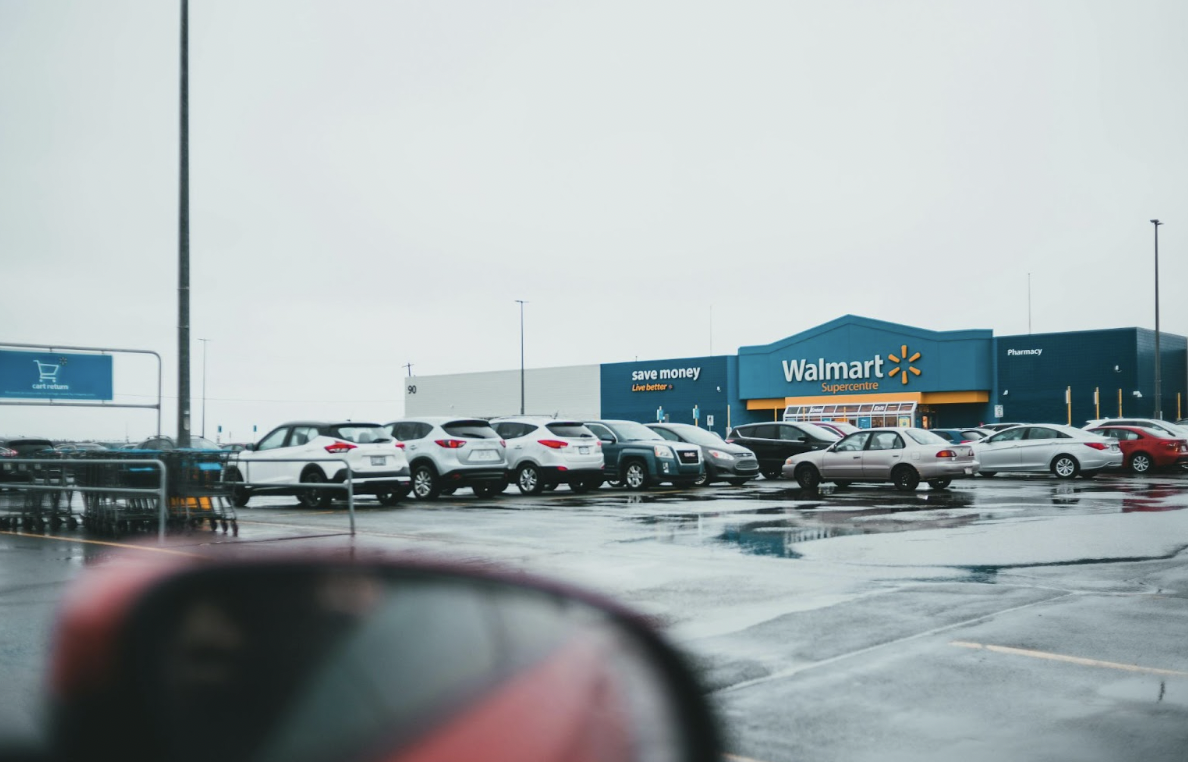
For the U.S. retailers, these partnerships provide access to a growing consumer market without requiring the substantial investment needed to establish their own physical infrastructure, including warehouses and delivery networks, on the continent. A spokesperson for Walmart confirmed to The Wall Street Journal its partnership with MallforAfrica, noting it allows the company to serve customers in markets where it does not have physical stores. Amazon has also engaged in similar partnerships.
The growth of these services coincides with rising internet and smartphone penetration across Africa. Data from industry analysts indicates an expanding digital economy on the continent, creating new opportunities for cross-border e-commerce. The platforms provide access to a wider variety of goods—from electronics and clothing to home goods—than may be available in local markets.
These intermediary companies operate by integrating their software with the U.S. retail platforms, allowing for a near-real-time display of available products and prices. The business model is typically based on service fees or a markup included in the final price paid by the consumer.

