
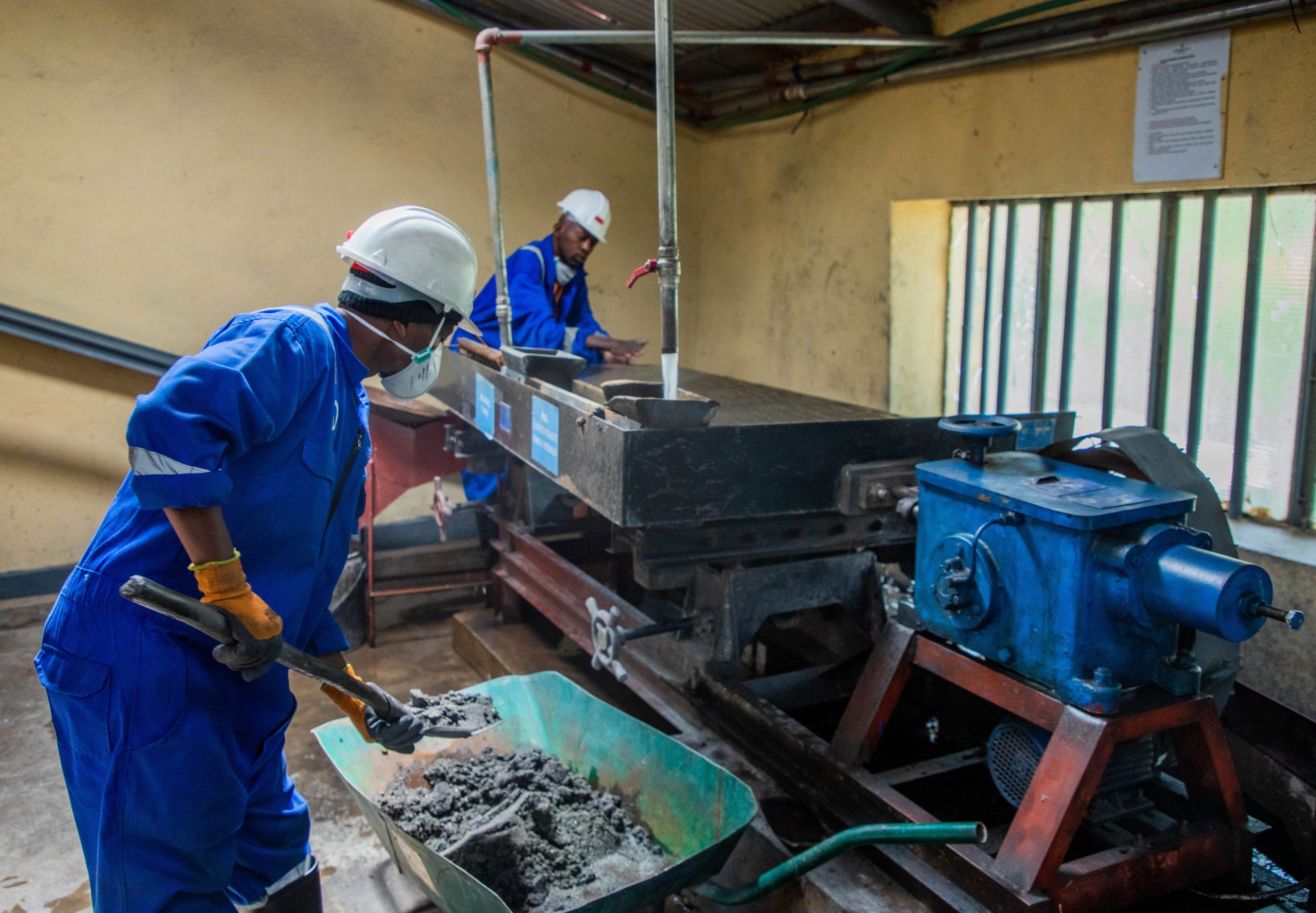

The country’s only lithium sulphate plant, operated by China’s Zhejiang Huayou Cobalt, currently lacks the capacity to process ore from third-party producers, a government official has confirmed. The statement addresses the operational status of the facility ahead of a planned government ban on the export of unprocessed lithium concentrate, which is scheduled to take effect in January 2025.
The upcoming export ban is part of a government policy aimed at increasing domestic processing of the raw mineral. According to government officials, the policy intends to capture more value from the country’s mineral resources by encouraging the development of a local battery metal supply chain. Zimbabwe is recognized as a significant lithium producer with substantial hard-rock lithium deposits.
Zhejiang Huayou Cobalt’s plant, located at its Arcadia mine near Harare, began producing lithium sulphate earlier this year. The facility was designed to process lithium ore extracted exclusively from the Arcadia mine. An official, speaking to Reuters, clarified that the plant’s current configuration does not support toll treating, a process where a facility processes raw materials for other companies for a fee.
This operational limitation means that other lithium mining companies within Zimbabwe will not be able to use the Arcadia plant to process their ore into lithium sulphate to comply with the new export regulations.
The government’s directive requiring in-country beneficiation, or the processing of minerals to a more finished state, has placed a focus on Zimbabwe’s industrial capacity. The policy on unprocessed mineral exports is intended to spur investment in local refineries and processing plants.
Officials have not yet detailed alternative processing solutions for other lithium miners in the country once the export ban is implemented. The development of additional domestic processing facilities by other companies is seen by industry observers as a necessary step to meet the policy’s objectives.

