
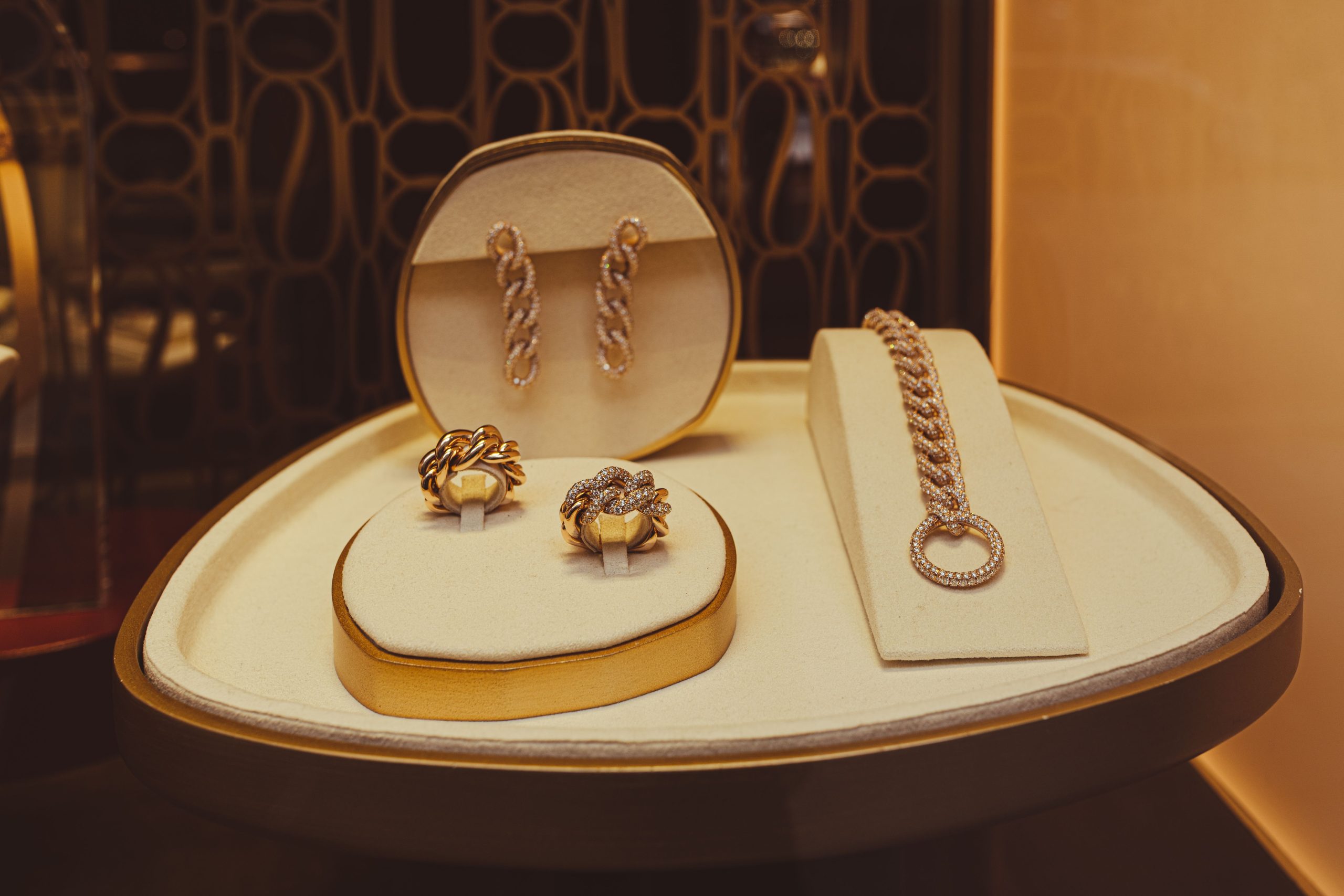

Recent financial reports from major luxury goods companies indicate a market slowdown, with the jewelry sector showing greater resilience compared to fashion and leather goods. Market analysts are pointing to varied quarterly results from conglomerates like Richemont, LVMH, and Kering, which they attribute to normalizing post-pandemic consumer spending and wider economic factors.
The global luxury market is experiencing a period of adjustment following several years of high growth. A recent report from management consultancy Bain & Company noted a deceleration in the sector. This slowdown is affecting different segments of the luxury market unevenly.
Companies with significant holdings in “hard luxury,” a category that includes jewelry and watches, have reported more stable performance. Richemont, the Swiss group that owns high-jewelry brands Cartier and Van Cleef & Arpels, posted sales figures that met analyst expectations in its latest earnings report. The company’s jewelry division was a key contributor to its revenue.
LVMH, the world’s largest luxury group, also demonstrated this trend in its first-quarter results. The company’s Watches & Jewelry division, which includes brands like Tiffany & Co. and Bulgari, recorded organic revenue growth. This performance contrasted with its larger Fashion & Leather Goods division, home to Louis Vuitton and Christian Dior, which reported a smaller rate of growth for the same period.
In contrast, groups with a heavier concentration in “soft luxury,” such as fashion and accessories, have reported greater challenges. Kering, which owns Gucci, Bottega Veneta, and Saint Laurent, issued a statement forecasting a significant drop in first-half operating income. The company cited market headwinds, particularly for its flagship brand, Gucci.
Financial analysts have commented on the divergence. In a note to clients, analysts at HSBC stated that brands with a strong jewelry portfolio are better positioned in the current market. They noted that high-end jewelry is often perceived by consumers as a long-term investment, making it less susceptible to short-term discretionary spending cuts compared to seasonal fashion items.
The current market dynamics represent a shift from the immediate post-pandemic period, which saw a surge in demand across all luxury categories. Factors cited by company executives and industry reports for the current slowdown include persistent inflation, higher interest rates, and geopolitical uncertainty. As a result, companies across the sector are recalibrating their strategies and growth expectations for the remainder of the year.

