
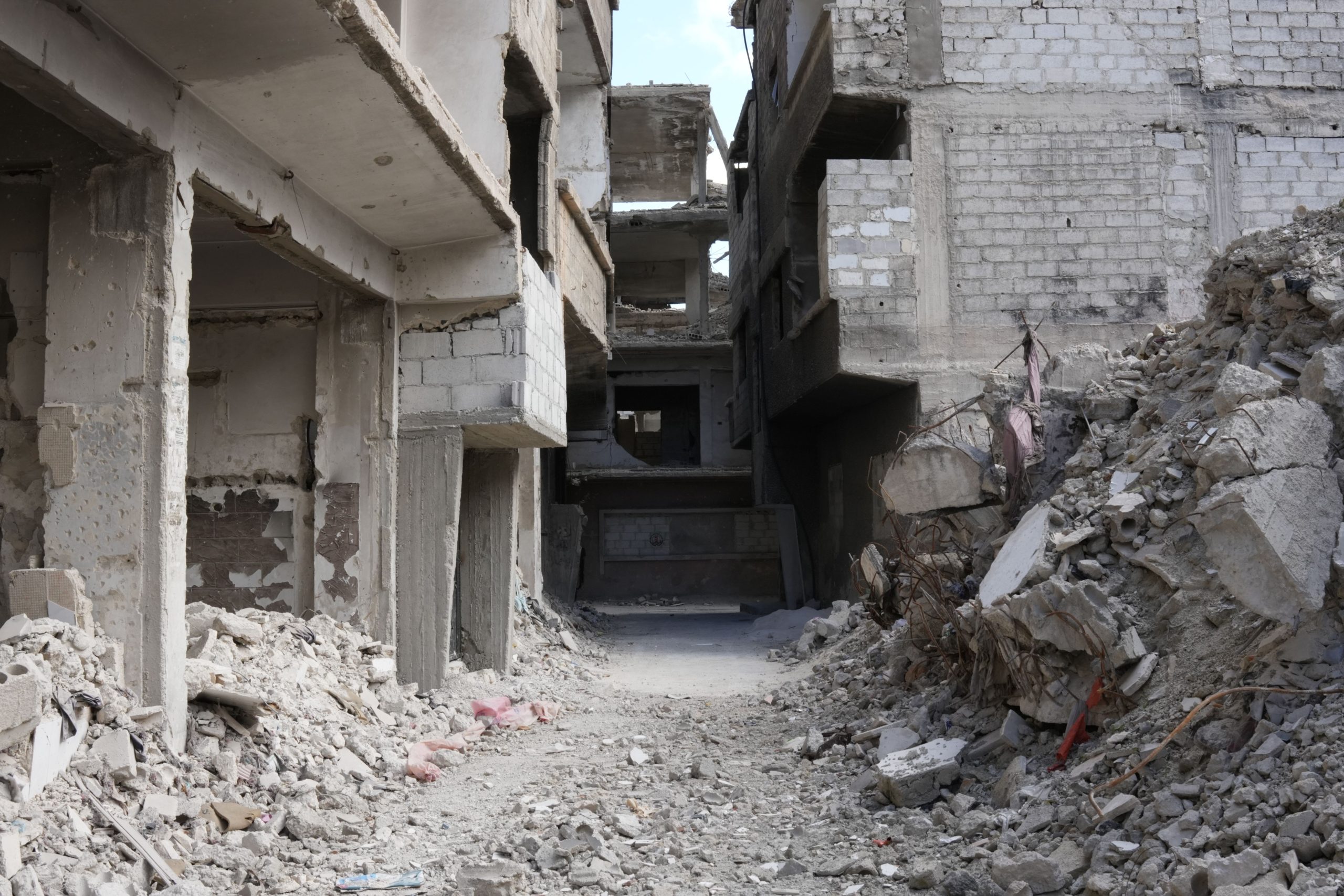

The Pacific Institute, a U.S.-based nonprofit research organization, reported a record 420 water-related conflicts occurred globally in 2024, an increase of 78 percent from 2022. The data was a central topic at the annual World Water Week conference, which began Sunday in Stockholm, Sweden, focusing on global water security challenges.
According to the Pacific Institute’s Water Conflict Chronology, which has tracked such events for over three decades, the 2024 figure compares to 235 incidents recorded in 2022. The institute classifies conflicts based on water’s role in them. In 2024, 55 percent of incidents involved water infrastructure as a “casualty,” meaning it was damaged during a conflict. Disputes over access or scarcity acted as a “trigger” in 28 percent of cases, while the deliberate use of water as a “weapon” to pressure opponents accounted for two percent of incidents.
The findings coincide with reports from several regions where conflict has affected water access.
Gaza and the West Bank
In Gaza, UNICEF reported that approximately 90 percent of water and sanitation infrastructure has been damaged or destroyed. The U.N. agency stated that of the 2.1 million people in the territory, 1.9 million are displaced, with many households facing moderate-to-high water insecurity. The medical organization Médecins Sans Frontières (MSF) reported that water prices have increased by as much as 500 percent, contributing to heightened risks of diarrhoeal and skin diseases.
In the West Bank, Palestinian water infrastructure has also been affected. Incidents reported included the destruction of the Ein Samiya wells east of Ramallah, which disrupted water supply to an estimated 100,000 people.
Sudan
Since fighting began in April 2023 between the Sudanese Armed Forces and the Rapid Support Forces, a report from the Geneva Academy documented attacks on water infrastructure, including reservoirs, treatment plants, and distribution networks. Humanitarian organizations have connected the collapse of water and sanitation systems to subsequent cholera outbreaks and worsening food insecurity in several regions.
Iran and the Gulf Region
According to reporting from Al Jazeera, U.S. and Israeli air strikes in Iran since Feb. 28 have impacted a water system already under pressure from drought and depleted groundwater. The strikes reportedly damaged desalination plants and reservoirs.
The events also drew attention to the reliance on desalination across the Gulf region. These facilities supply approximately 90 percent of drinking water in Kuwait, 86 percent in Oman, 70 percent in Saudi Arabia, and over 90 percent in Bahrain and Qatar.
Ukraine
In Ukraine, damage to energy and water infrastructure continues to affect civilian access to water. UNICEF reported that 12.7 million people are in need of humanitarian support and noted that attacks have reduced the country’s electricity generation, which is required to operate water and heating systems. The June 2023 breach of the Kakhovka Dam affected water access for more than 100,000 people. The agency estimates that 10 million people in Ukraine currently lack reliable access to safe water.

