
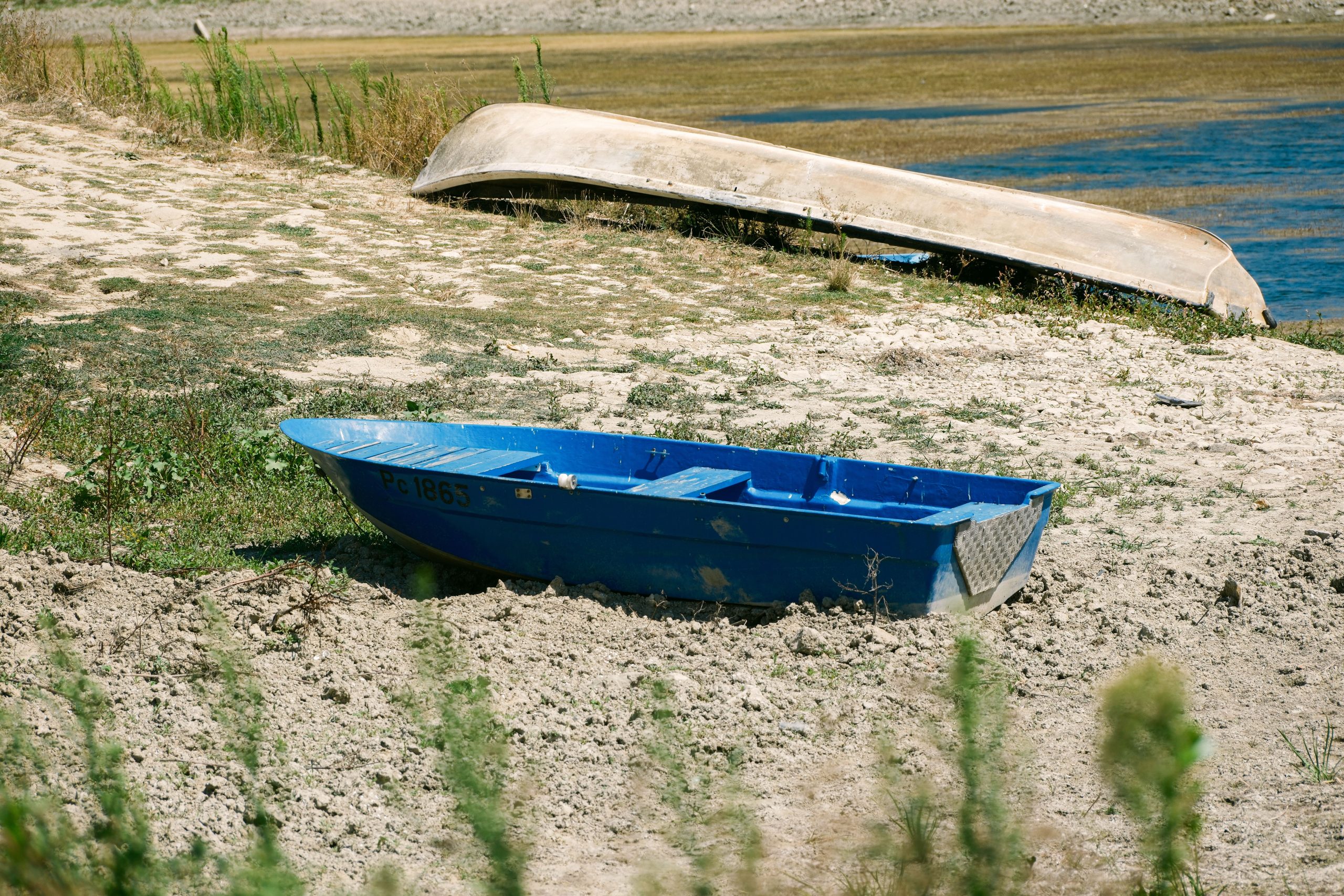

European nations have been contending with widespread drought conditions and high temperatures, leading to record-low water levels in major rivers. The situation has caused disruptions to agriculture, shipping, and energy production across the continent, according to reports from multiple government and scientific agencies.
The European Commission’s Joint Research Centre (JRC) stated in an August 2022 report that the drought appeared to be the worst in at least 500 years. At the time of the report, the European Drought Observatory (EDO), maintained by the JRC, indicated that 47% of Europe was under “warning” conditions, while 17% was on “alert,” signifying a deficit in soil moisture.
The effects have been observed in numerous critical sectors. In Germany, the Rhine River, a key artery for shipping commodities such as coal and grain, saw water levels drop significantly. At the Kaub gauge, a critical chokepoint west of Frankfurt, levels fell so low that some freight vessels were forced to carry substantially reduced loads to navigate the waterway, increasing transportation costs, according to German officials. The Danube, another of Europe’s principal shipping routes, also experienced reduced water levels, affecting commerce in central and southeastern Europe.
The agricultural sector has faced considerable challenges. In Italy, the Po River, the country’s longest, experienced its worst drought in 70 years, impacting the region responsible for approximately one-third of Italy’s agricultural production. Farmers in the Po Valley reported effects on crops including rice and corn. Similarly, France’s agriculture ministry noted that the corn harvest was projected to be significantly lower due to hot and dry conditions. Governments in several countries, including Spain and Portugal, implemented water restrictions to manage limited supplies.
Energy production has also been impacted. The low water levels in reservoirs and rivers reduced the capacity for hydropower generation, particularly in countries like Norway and Spain. In France, the state-owned energy company EDF had to temporarily reduce output at some of its nuclear power plants. The plants rely on river water for cooling, and high water temperatures combined with low flow rates limited their operational capacity under environmental regulations.
In response to the conditions, several European governments declared states of emergency or issued official drought alerts. In the United Kingdom, an official drought was declared for large parts of England, prompting water companies to impose restrictions on water use, commonly known as hosepipe bans. French authorities established crisis teams in affected departments to manage water resources, prioritizing drinking water, health, and civil security.

