
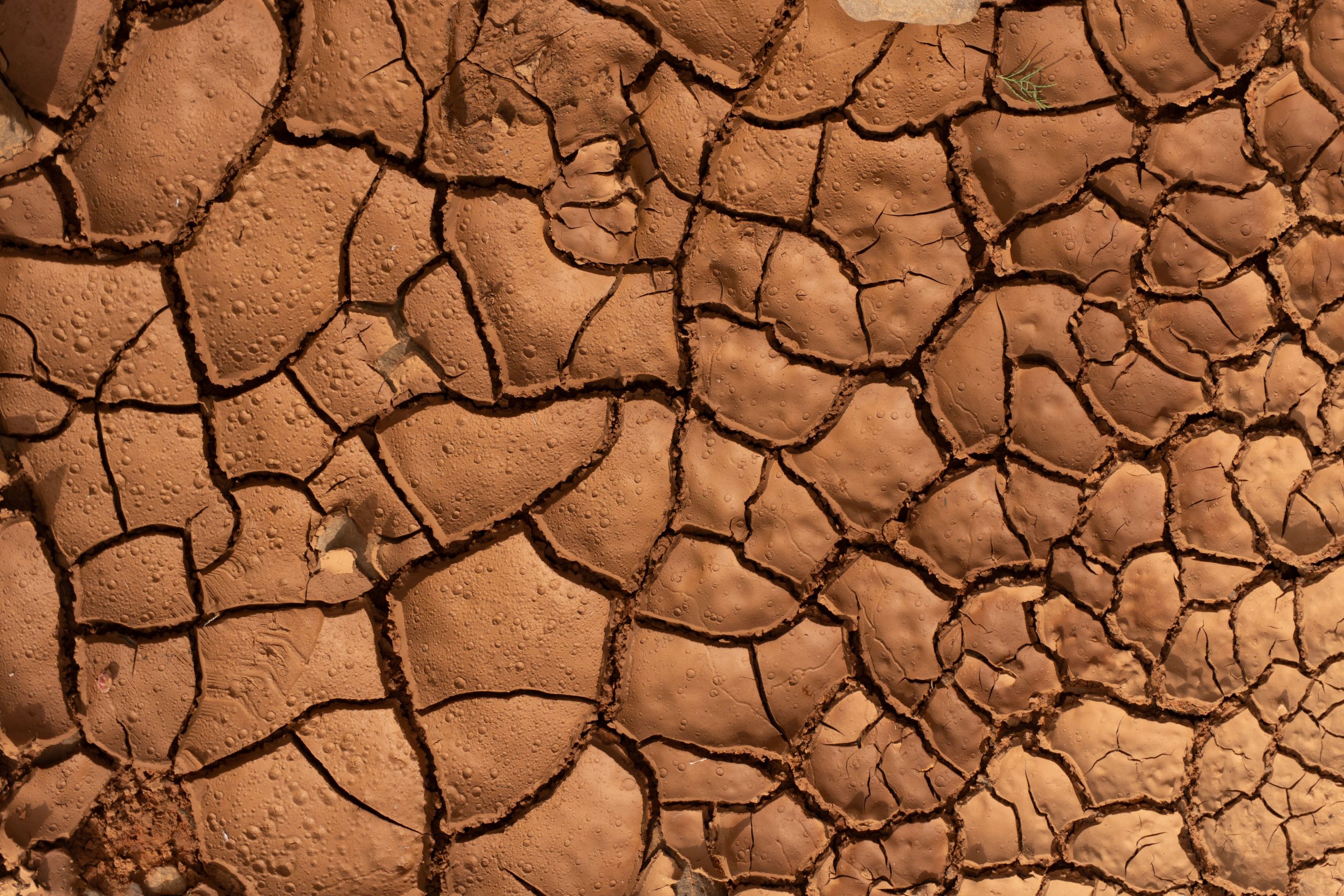

Government officials, scientists, and representatives from United Nations agencies convened in Ulaanbaatar, Mongolia, from Oct. 2-5, 2023, for a global conference focused on land restoration and drought resilience. The event, hosted by the Government of Mongolia, aimed to address challenges related to desertification and land degradation and to share strategies for ecosystem restoration.
The conference was organized as part of the UN Decade on Ecosystem Restoration (2021-2030), a global initiative to prevent, halt, and reverse the degradation of ecosystems worldwide. Co-organizers included the UN Environment Programme (UNEP) and the UN Convention to Combat Desertification (UNCCD).
In his opening address, Mongolian President Ukhnaagiin Khurelsukh highlighted national initiatives, including the “One Billion Trees” program, which aims to combat desertification and dust storms affecting the region. According to statements from the Mongolian government, the conference provided a platform to draw international attention to the unique environmental challenges faced by landlocked developing countries.
Discussions during the four-day event centered on several key themes, including sustainable rangeland management, the role of pastoralist communities, and financing for land restoration projects. According to the UNCCD, an estimated 500 million people depend on rangelands for their livelihood globally. Mongolia, where a significant portion of the population practices nomadic pastoralism, emphasized the importance of traditional knowledge in sustainable land use.
The conference concluded with the adoption of the “Ulaanbaatar Declaration.” In the declaration, participating countries and organizations called for increased investment in land restoration and emphasized the need for policies that support sustainable agriculture and rangeland management. The document also recognized the contributions of Indigenous peoples and local communities in preserving biodiversity.
UNCCD Executive Secretary Ibrahim Thiaw addressed the attendees, noting the connection between land health, climate change, and economic stability. In materials released by the convention, Thiaw stated that investing in land restoration is a cost-effective solution to many of the planet’s most pressing challenges.
The outcomes of the Ulaanbaatar conference are expected to contribute to the agenda for the upcoming 16th Conference of the Parties (COP16) to the UNCCD, scheduled to take place in Riyadh, Saudi Arabia. Officials said the meeting served as a preparatory step for member states to align on priorities related to drought policy and land degradation neutrality targets.

 addressed land restoration and drought resilience. Discussions led to the Ulaanbaatar Declaration, aiming to inform the upcoming UNCCD COP16.)