
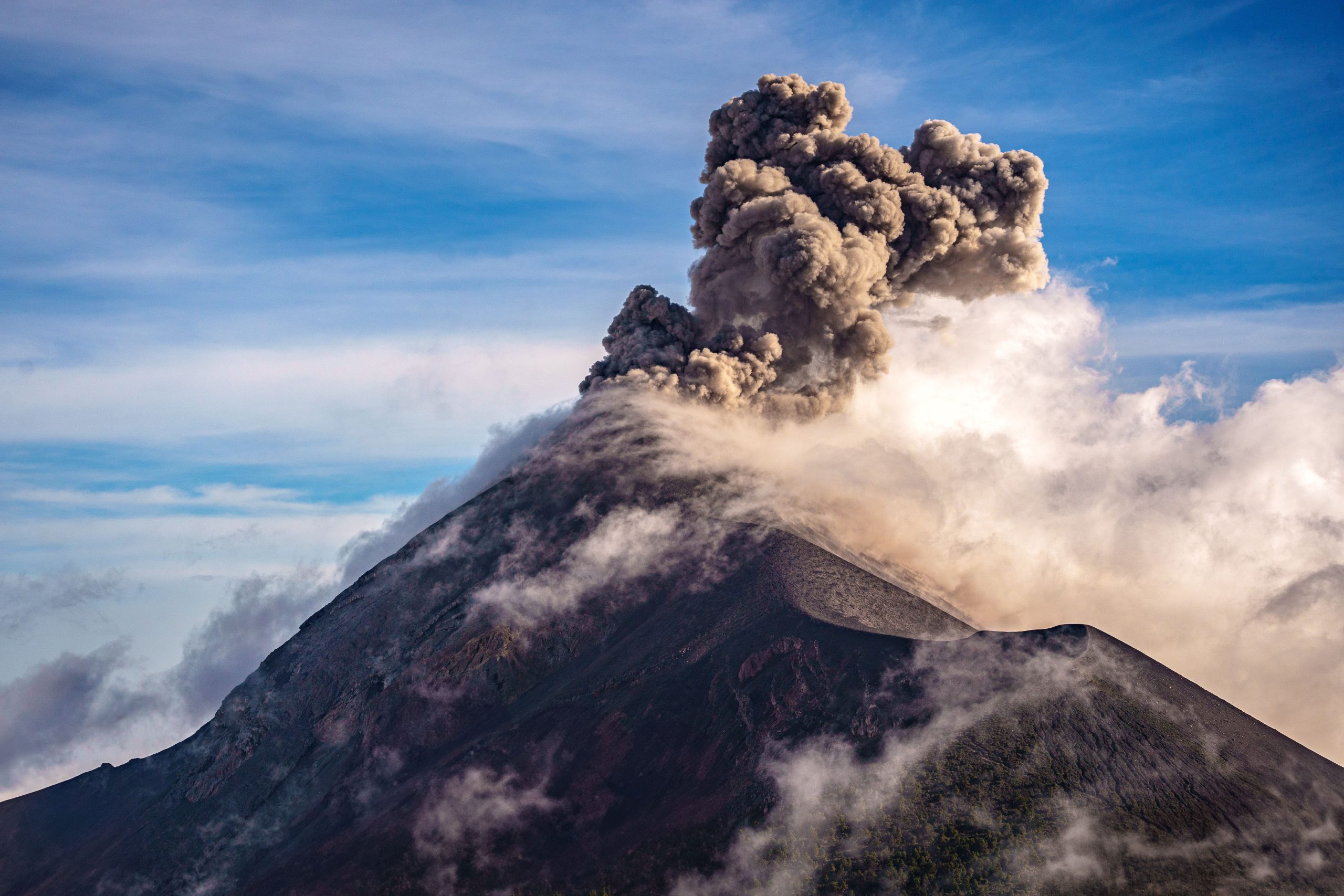

Mount Sinabung, a volcano in North Sumatra, Indonesia, erupted on Tuesday, propelling a column of ash and smoke approximately 5,000 meters (16,400 feet) into the atmosphere. Following the event, Indonesia’s Center for Volcanology and Geological Hazard Mitigation (PVMBG) raised the volcano’s alert status and recommended residents stay outside a designated radius from the crater.
The eruption occurred in the morning, local time. The PVMBG reported that the thick ash column moved eastward and southeastward from the volcano’s peak. There were no immediate reports of casualties resulting from the eruption. The agency confirmed the event through instrumental monitoring and visual observation.
In response to the increased volcanic activity, officials elevated the alert level for Mount Sinabung to Level III, or “Siaga” (Alert). This is the second-highest level in the country’s four-tier volcano alert system.
Following the status change, the PVMBG issued a public warning advising residents and visitors to avoid activity within a 3-kilometer (1.8-mile) radius of the main crater. Additionally, a 5-kilometer sectoral radius on the south-southeast sector and a 4-kilometer radius on the east-northeast sector were established as no-go zones. Authorities also warned of the potential for lava flows and further pyroclastic events.
Mount Sinabung was dormant for centuries before reawakening in 2010. It has experienced intermittent periods of significant activity since, particularly between 2013 and 2018. Past eruptions have resulted in fatalities and the displacement of thousands of people from surrounding villages.
An official from a local Sinabung monitoring post stated that the volcanic activity has been fluctuating and that residents have been urged to remain vigilant. The National Disaster Mitigation Agency (BNPB) is coordinating with local authorities to monitor the situation and its impact on nearby communities. Officials continue to monitor seismic activity at the volcano.

