
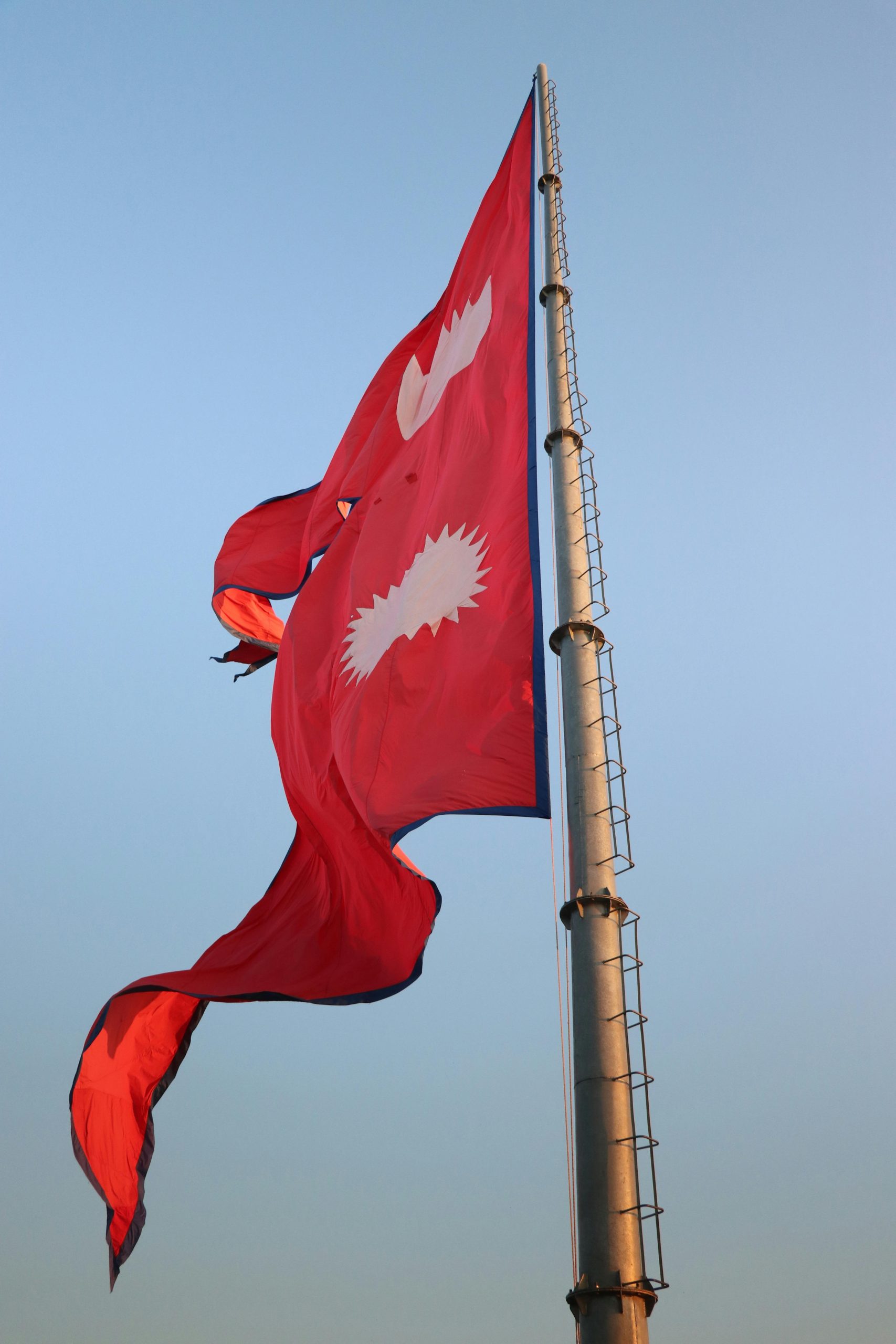

The government of Nepal is conducting a formal assessment of damages from recent monsoon-induced floods and landslides while simultaneously pursuing international grants for recovery efforts. Officials have indicated that the final cost could be significantly higher than initial estimates, raising the possibility that the country will also need to seek concessional loans to fund reconstruction.
A Post-Disaster Needs Assessment (PDNA) is underway to quantify the economic and social impact of the disasters. According to government officials familiar with the process, the final report is projected to show total losses approximately 30% greater than preliminary figures. The PDNA is a comprehensive evaluation led by Nepal’s National Planning Commission with support from international partners, including the United Nations, the World Bank, and the Asian Development Bank. Its findings will provide a detailed framework for recovery and reconstruction needs across various sectors.
Nepal’s government has stated its primary approach is to secure grants from donor nations and multilateral organizations. Grants are the preferred form of aid as they do not require repayment and therefore do not increase the country’s public debt.
However, finance and planning officials have noted that the total cost for rebuilding infrastructure, homes, and agricultural systems may surpass the amount of grant aid that becomes available. To cover this potential funding gap, experts and government sources suggest that Nepal may need to turn to soft loans.
Soft loans, also known as concessional loans, are offered by international financial institutions with more favorable terms than standard market loans. These terms typically include lower interest rates, longer grace periods, and extended repayment schedules. Such financing is designed to help developing countries recover from major crises without placing an excessive burden on their economies.
The final strategy for financing the recovery will be determined after the PDNA is completed and the full extent of the financial requirements is known. The government’s next steps will involve presenting the assessment to the international community to formally request assistance.

