
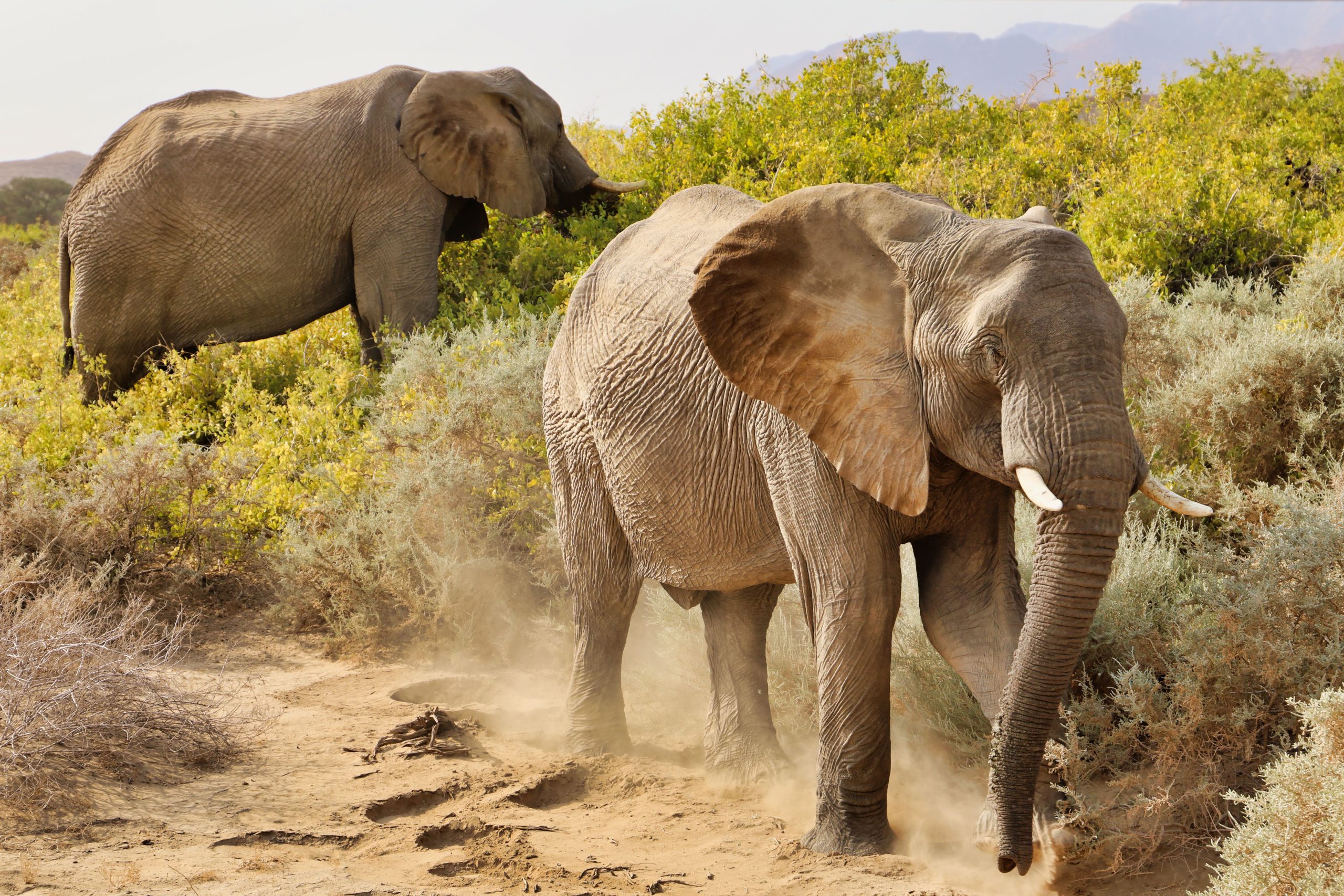

The International Fund for Animal Welfare (IFAW) announced this week that six African savannah elephants have been fitted with GPS-enabled satellite collars in and around Hwange National Park. The action, part of an ongoing conservation project with the Zimbabwe Parks and Wildlife Management Authority (ZimParks), brings the total number of elephants being monitored under the program to 30.
In a statement released Wednesday, IFAW detailed that the newly fitted collars transmit location data via satellite. This allows researchers and park authorities to track the animals’ movements and locations in near real-time. The data provides information on herd dynamics, habitat use, and migration routes across the landscape.
According to the organization, the primary objective of the collaring program is to enhance conservation and management strategies for one of Africa’s largest elephant populations. The information gathered is used to identify and map essential corridors that elephants use to travel between protected areas.
IFAW stated that understanding these movement patterns helps inform efforts to mitigate human-elephant conflict. By tracking herds, authorities can anticipate when elephants might move into areas with human settlements or agricultural land, allowing for preventative measures to be deployed to protect both the animals and local communities.
The collars also contribute to anti-poaching operations. The tracking system can alert rangers if an elephant’s movements cease for an extended period, which can be an indicator of injury or a poaching incident, prompting a rapid response from security teams on the ground.
Hwange National Park is a component of the Kavango-Zambezi Transfrontier Conservation Area (KAZA TFCA), which spans five southern African nations and is considered a critical habitat for the continent’s elephant population. The monitoring project provides data on how these elephants navigate the expansive, multi-country ecosystem. The collaring procedures are conducted by a team of veterinarians and wildlife experts who sedate the selected elephants to safely attach the devices.

