

U.S. consumer prices rose in August, largely influenced by a significant increase in gasoline prices, the Bureau of Labor Statistics (BLS) reported on Wednesday. The Consumer Price Index for All Urban Consumers (CPI-U) increased by 0.6% for the month on a seasonally adjusted basis, marking the largest monthly gain in over a year.
According to the BLS report, the index for all items was 3.7% higher over the 12-month period ending in August, an acceleration from the 3.2% annual rate recorded in July.
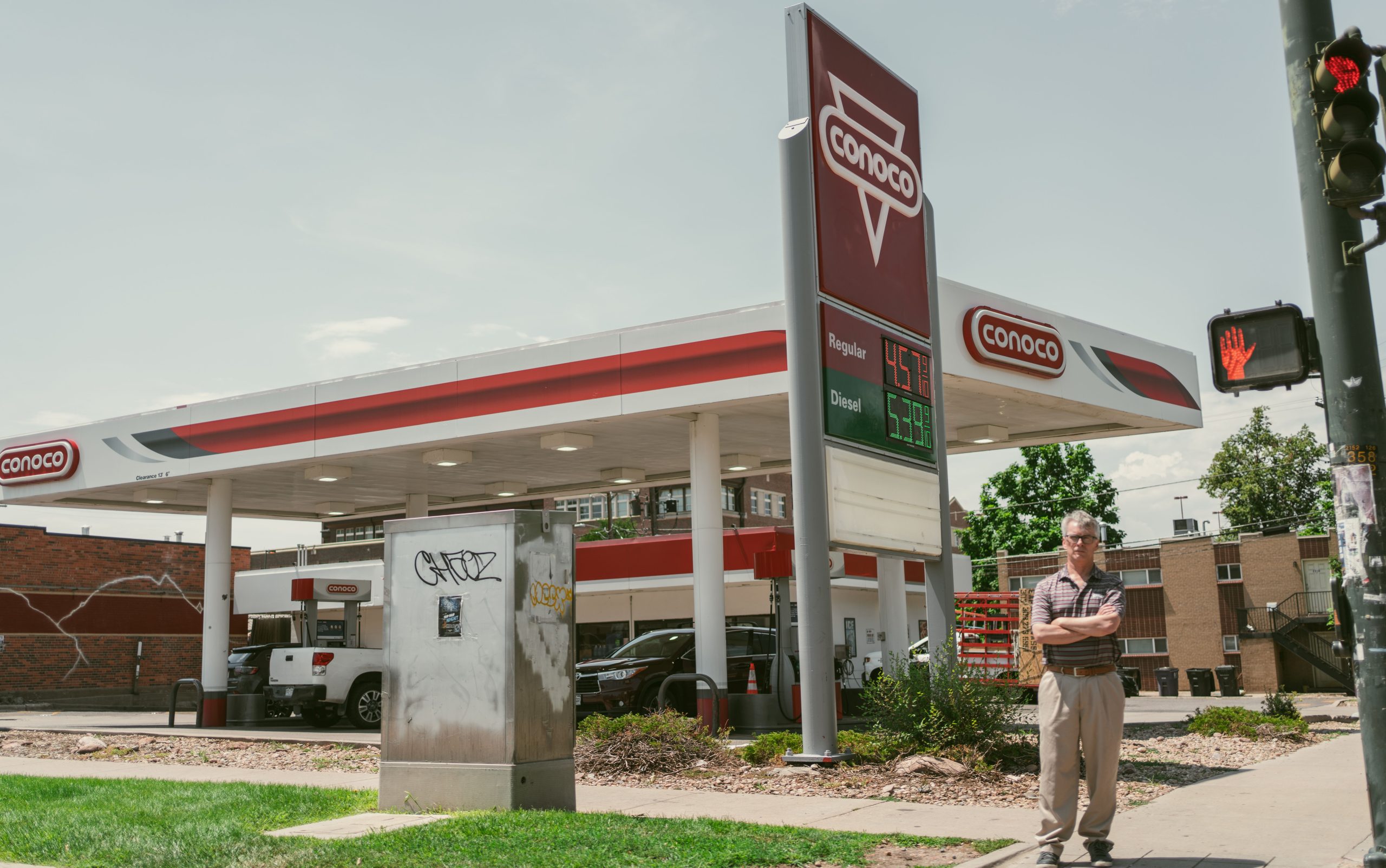
The primary driver of the monthly increase was the gasoline index, which rose 10.6% in August after declining in the preceding months. The BLS stated that the rise in gasoline prices accounted for over half of the total monthly increase in the headline CPI figure. The energy index overall increased by 5.6% during the month.
Food prices saw a more moderate rise, with the food index increasing 0.2% in August. The index for food at home also increased 0.2%, while the index for food away from home rose 0.3%.
Excluding the more volatile food and energy categories, the core CPI rose 0.3% in August. This followed 0.2% increases in both June and July. Over the past 12 months, the core CPI increased by 4.3%. While the annual core inflation rate remains above the Federal Reserve’s target, it continued a trend of moderation from its peak levels.
The inflation data is a key economic indicator reviewed by officials at the Federal Reserve ahead of their policy meetings. The Federal Open Market Committee (FOMC) is scheduled to meet next week to determine its policy on the federal funds rate. The central bank has set a long-term inflation goal of 2% and has been adjusting monetary policy in an effort to achieve it.
Other indexes also showed increases in August. The shelter index, a major component of the CPI, continued to rise, increasing by 0.3% for the month. The indexes for motor vehicle insurance, medical care, and personal care also contributed to the monthly inflation figure. In contrast, the indexes for used cars and trucks and for airfares declined.
The August CPI report provides a detailed snapshot of price pressures across the economy as policymakers and the public monitor inflation trends. The data will be a component in the Federal Reserve’s upcoming assessment of economic conditions.

 increased 0.6% in August, largely due to higher gasoline prices. Annual inflation reached 3.7%. The data impacts Federal Reserve policy decisions.)