
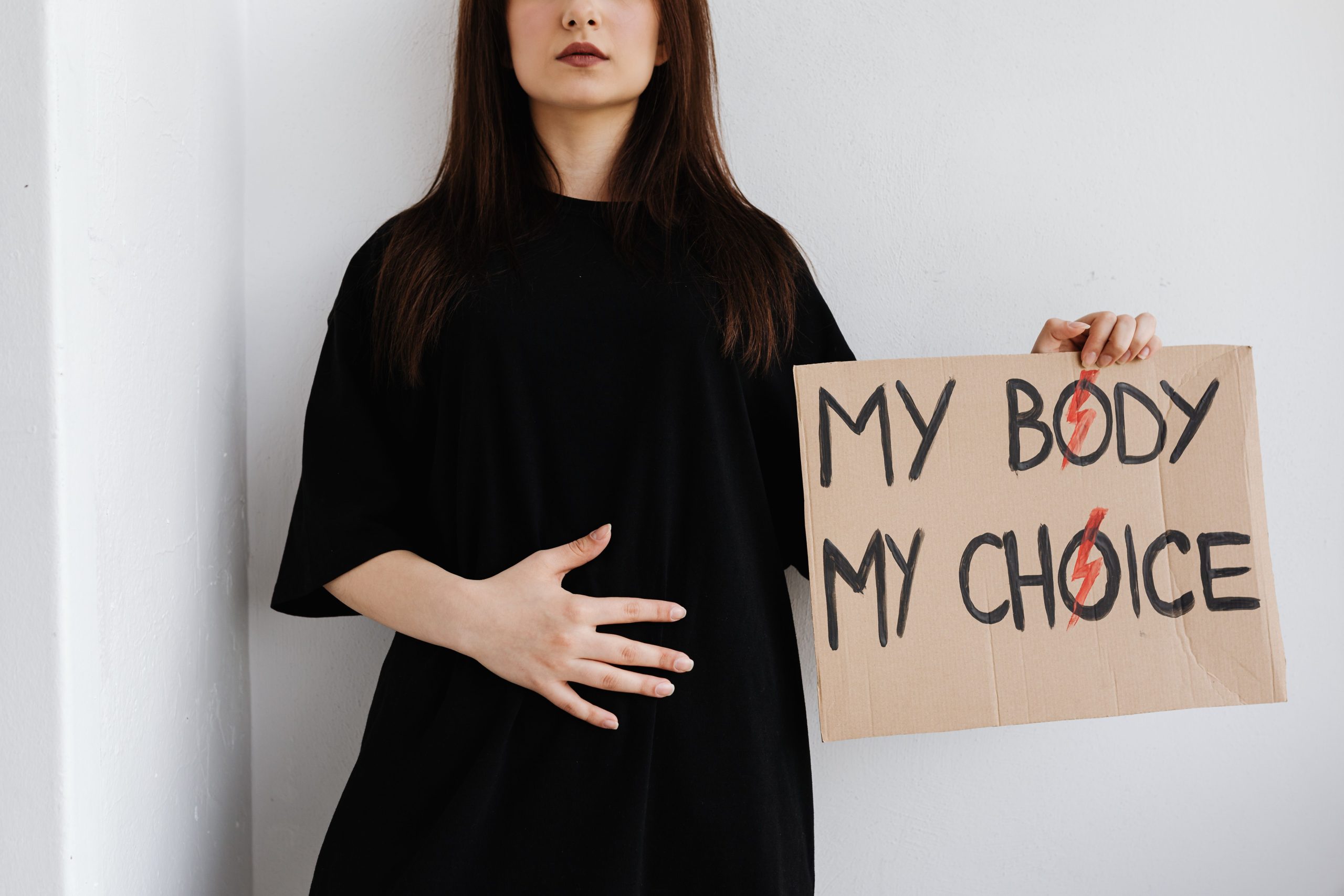

A renewed debate is underway among Zimbabwean lawmakers, health officials, and civil society organizations regarding potential amendments to the nation’s 1977 Termination of Pregnancy Act. Proponents for reform argue that the current law contributes to a high number of unsafe abortions and preventable maternal deaths, while opponents maintain moral, religious, and cultural objections to expanding access.
Under the existing legislation, abortion in Zimbabwe is illegal except under narrowly defined circumstances. A legal termination requires certification from two medical practitioners and is only permitted in cases of rape, incest, or if the pregnancy poses a serious threat to the physical or mental health of the mother. It is also permitted if there is a significant risk of a severe physical or mental defect in the fetus.
Groups advocating for changes to the law point to official health statistics as a primary reason for reform. According to Zimbabwe’s Ministry of Health and Child Care, complications from unsafe abortions are a notable contributor to the country’s maternal mortality rate. Organizations focused on reproductive health report that the law’s restrictions lead many individuals to seek clandestine and often dangerous procedures performed by untrained providers.
In public statements and reports, these groups contend that decriminalizing and expanding access to abortion would reduce maternal deaths and injuries, aligning with public health objectives. They frame the issue as one of healthcare access and the prevention of avoidable harm.
Conversely, a number of religious bodies and culturally conservative groups have voiced strong opposition to liberalizing the law. Organizations such as the Zimbabwe Council of Churches have historically promoted positions based on the sanctity of life from conception. Their arguments often center on moral and ethical principles, advocating for alternatives to abortion, including greater social support for pregnant women and promoting adoption services. Opponents of reform also emphasize the importance of upholding cultural values they believe are undermined by expanded abortion access.
The discussion has been raised in Zimbabwe’s Parliament, where motions have been introduced to reconsider the decades-old legislation. The debate reflects differing views within Zimbabwean society on the legal, ethical, and public health dimensions of abortion. Government officials have not yet presented a formal bill to amend the act, but the ongoing dialogue indicates a re-examination of the country’s legal framework on reproductive health.

