
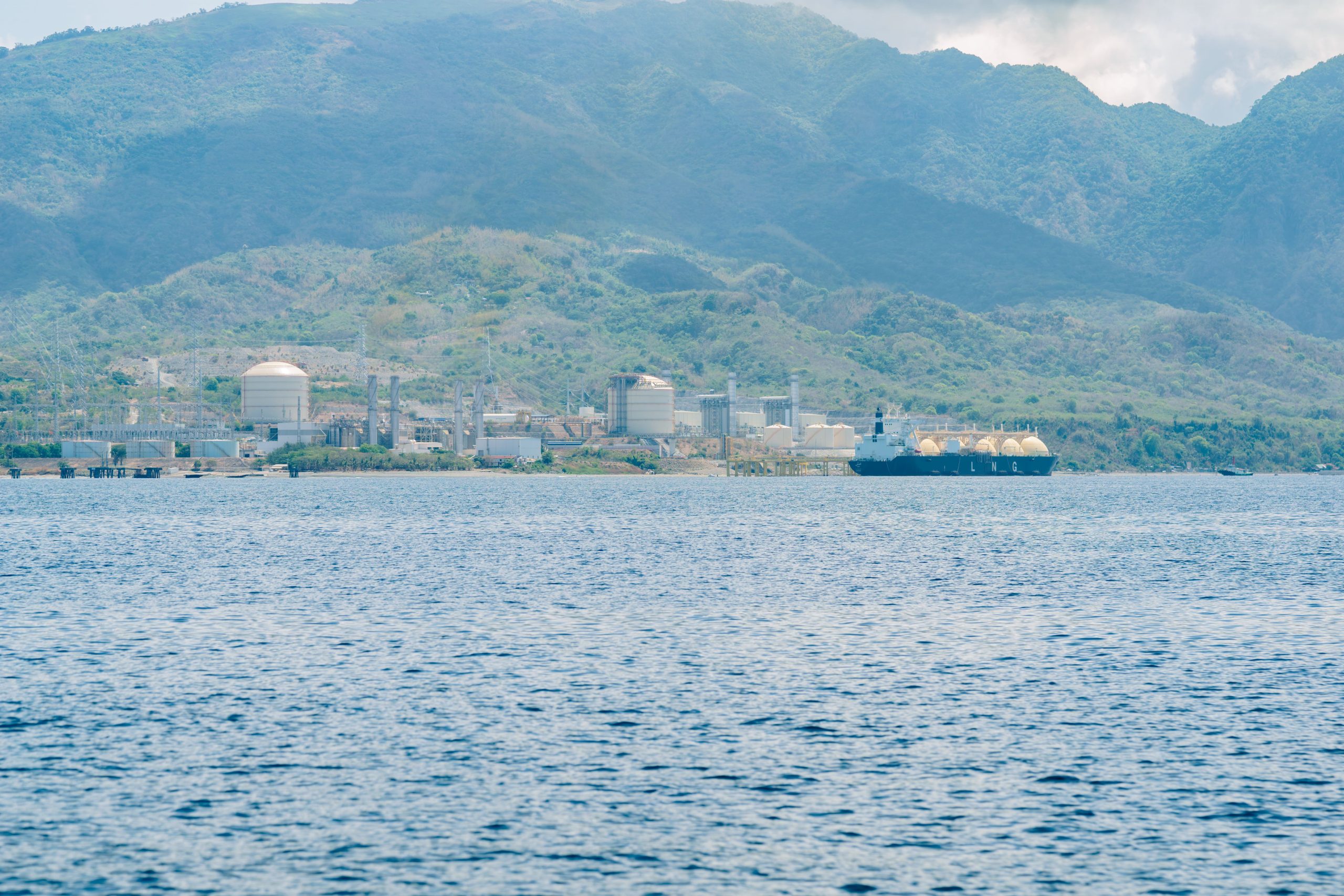

Chevron Corp. is exploring opportunities to expand its global liquefied natural gas (LNG) portfolio, with a focus on projects in Argentina and the Eastern Mediterranean, an executive for the company announced. The U.S. energy firm cited growing global demand for natural gas, driven by international buyers seeking to enhance their energy security.
Freeman Shaheen, Chevron’s president of International Exploration and Production, detailed the company’s strategy during the CERAWeek energy conference in March. He stated that Chevron is assessing its assets for potential growth, particularly in regions with significant undeveloped resources.
In Argentina, the company is evaluating the potential for an LNG export project linked to the Vaca Muerta shale formation, one of the world’s largest unconventional gas reserves. Chevron holds a significant position in the formation, and an export facility would allow it to ship Argentinian natural gas to global markets.
In the Eastern Mediterranean, Chevron is considering an expansion of its operations at the Leviathan gas field, located offshore from Israel. According to Shaheen, the company is exploring options to increase production and export capacity from the region, which could involve floating LNG technology or new pipeline infrastructure.
Shaheen linked the increased commercial interest in long-term LNG contracts to geopolitical instability. He noted that buyers, particularly in Asia and Europe, are prioritizing reliable and diversified energy supplies following disruptions related to the conflict in Ukraine and instability in the Middle East.
Separately, Shaheen confirmed that Chevron is in advanced discussions with GAIL (India) Ltd. for a long-term LNG supply agreement. The potential deal would involve supplying the state-owned Indian company with 0.5 million metric tons of LNG per year from Chevron’s U.S. export portfolio.
Chevron currently operates major LNG projects globally, including the Gorgon and Wheatstone facilities in Australia. The potential expansions in Argentina and the Mediterranean represent part of the company’s broader strategy to meet rising global demand for natural gas, which is seen by some nations as a key fuel in the transition from coal and for industrial use. No final investment decisions on the proposed projects have been announced.

