
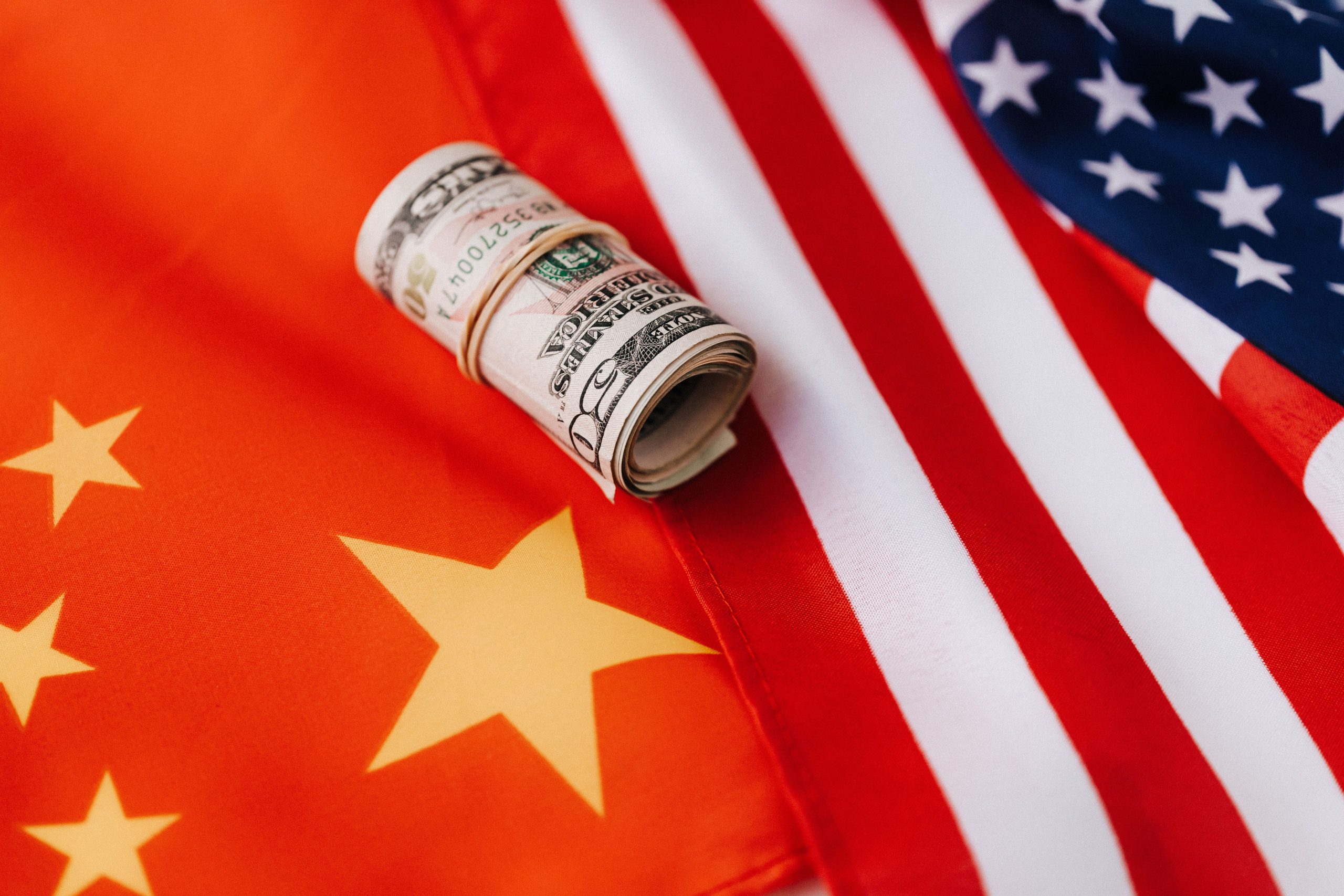

China’s Ministry of Finance announced on Monday it will begin accepting applications for tariff exemptions on a range of U.S. goods, a step aligned with the Phase One trade agreement signed with the United States. The initial list of eligible products includes agricultural goods such as pork, beef, corn, wheat, and sorghum, but does not include soybeans, which were historically the top U.S. agricultural export to China.
The announcement, posted on the ministry’s website, details a process for Chinese companies to apply for exemptions from retaliatory tariffs imposed during the trade dispute between the two nations. The exemptions would apply to over 696 types of U.S. goods, also including certain medical devices and metals.
According to the statement from the Tariff Commission of the State Council, Chinese firms that import, purchase, or plan to purchase the eligible U.S. goods can submit applications for tariff relief. The commission will review the applications, and approved importers will be granted a one-year exemption from the additional tariffs.
This policy is part of the implementation of the Phase One trade deal, which was signed in January. Under the terms of that agreement, China committed to increasing its purchases of U.S. goods and services by at least $200 billion over two years, compared to 2017 levels. The deal aims to address several areas of contention, including intellectual property, technology transfer, and currency.
While the exclusion of soybeans from the published list drew attention, reports indicate that separate tariff exemptions have been granted for soybeans on a case-by-case basis. Prior to the trade dispute that began in 2018, soybeans were the most valuable U.S. farm export to China, with sales reaching over $12 billion in 2017, according to data from the U.S. Department of Agriculture.
The process outlined by the ministry allows for applications to be submitted starting March 2. The statement did not specify the volume of imports that would be subject to exemptions. The existing retaliatory tariffs on U.S. products remain in place unless an exemption is granted.

