
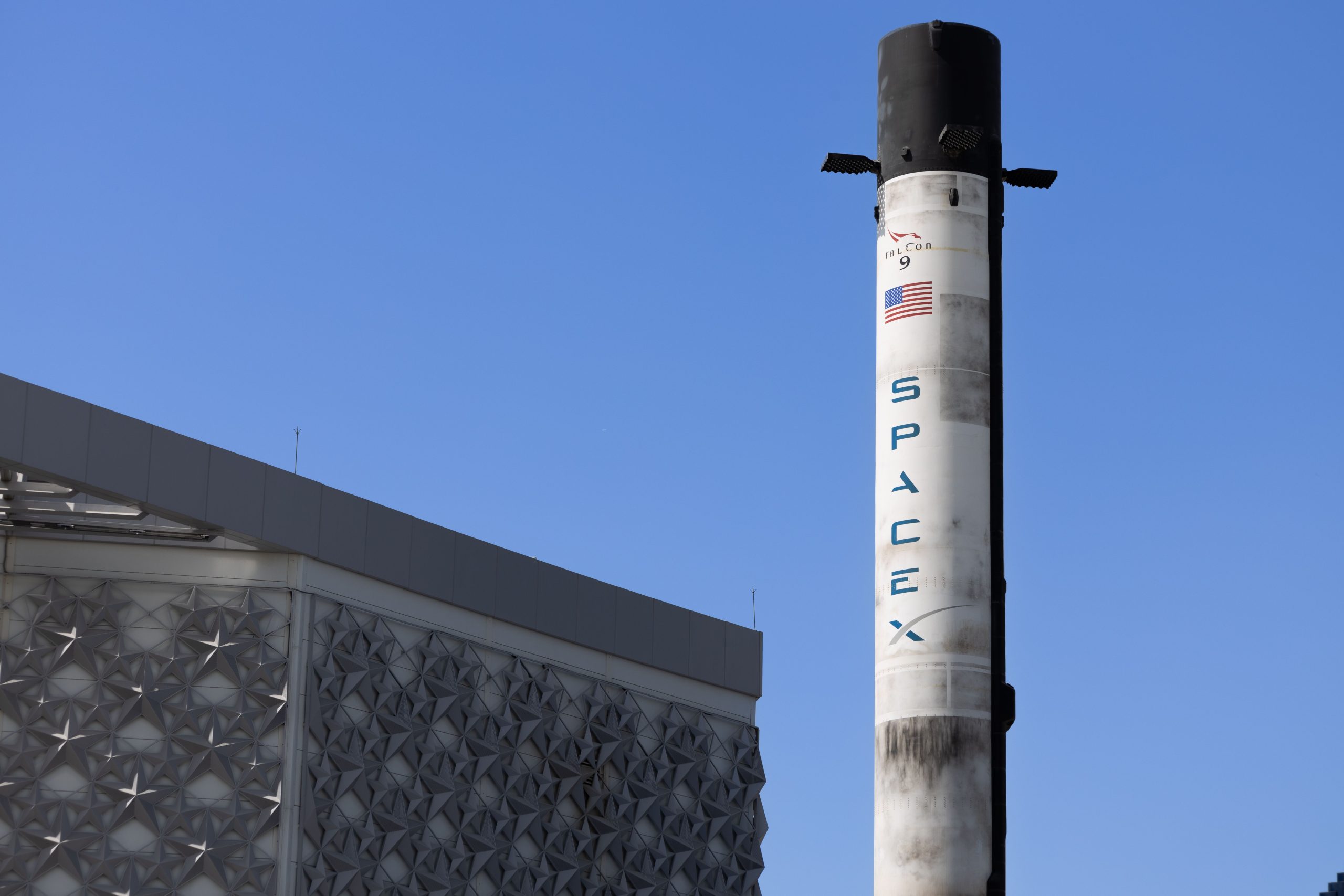

SpaceX is preparing to conduct the first orbital test flight of its Starship vehicle on Monday from the company’s Starbase facility in Texas. The mission plan includes the rocket circling the Earth before reentry and the deployment of 26 new Starlink satellites. The Federal Aviation Administration (FAA) confirmed it issued a launch license for the operation on Sept. 26.
According to a schedule published on the company’s website, the 75-minute launch window is set to open at 8:15 a.m. ET. In an email to reporters, the FAA stated it provided “license authorization for the SpaceX Starship Super Heavy Flight 14 launch and reentry operations.”
This flight marks the 14th test of a Starship prototype, but it is the first with the objective of reaching orbit. Previous test flights focused on suborbital altitudes and landing maneuvers. The upcoming launch will utilize the full Starship system, which consists of the Super Heavy booster and the Starship upper stage.
A key objective of the mission is the deployment of 26 new “V3” Starlink satellites. According to SpaceX, these satellites are larger and equipped with more powerful solar arrays than previous versions, designed to increase the data transmission speed for subscribers of its satellite internet service. The Starlink network currently consists of approximately 11,000 active satellites in orbit.
The Starship program is a central component of SpaceX’s long-term operational plans. The company has designed the launch system to be fully reusable, with the stated goal of reducing the cost of lifting cargo and people to orbit.
In addition to expanding its own satellite constellation, SpaceX is developing Starship to fulfill contracts with government agencies. NASA selected the Starship vehicle as the landing system to transport American astronauts to the surface of the moon as part of its Artemis program. A test flight for the NASA mission is planned for next year.
During the All-In Summit earlier this month, SpaceX Chief Operating Officer Gwynne Shotwell discussed other future applications for the launch vehicle. She said the company plans to use Starship to place “AI compute satellites” into orbit, with a target date of 2027.

