

An initiative by Nvidia Corp. to help customers finance purchases of its high-demand artificial intelligence (AI) hardware has led to discussions within the financial industry about the valuation of the equipment when used as loan collateral. According to reports from financial news outlets and sources within the banking sector, some lenders are carefully assessing the long-term value of AI chips and related infrastructure.
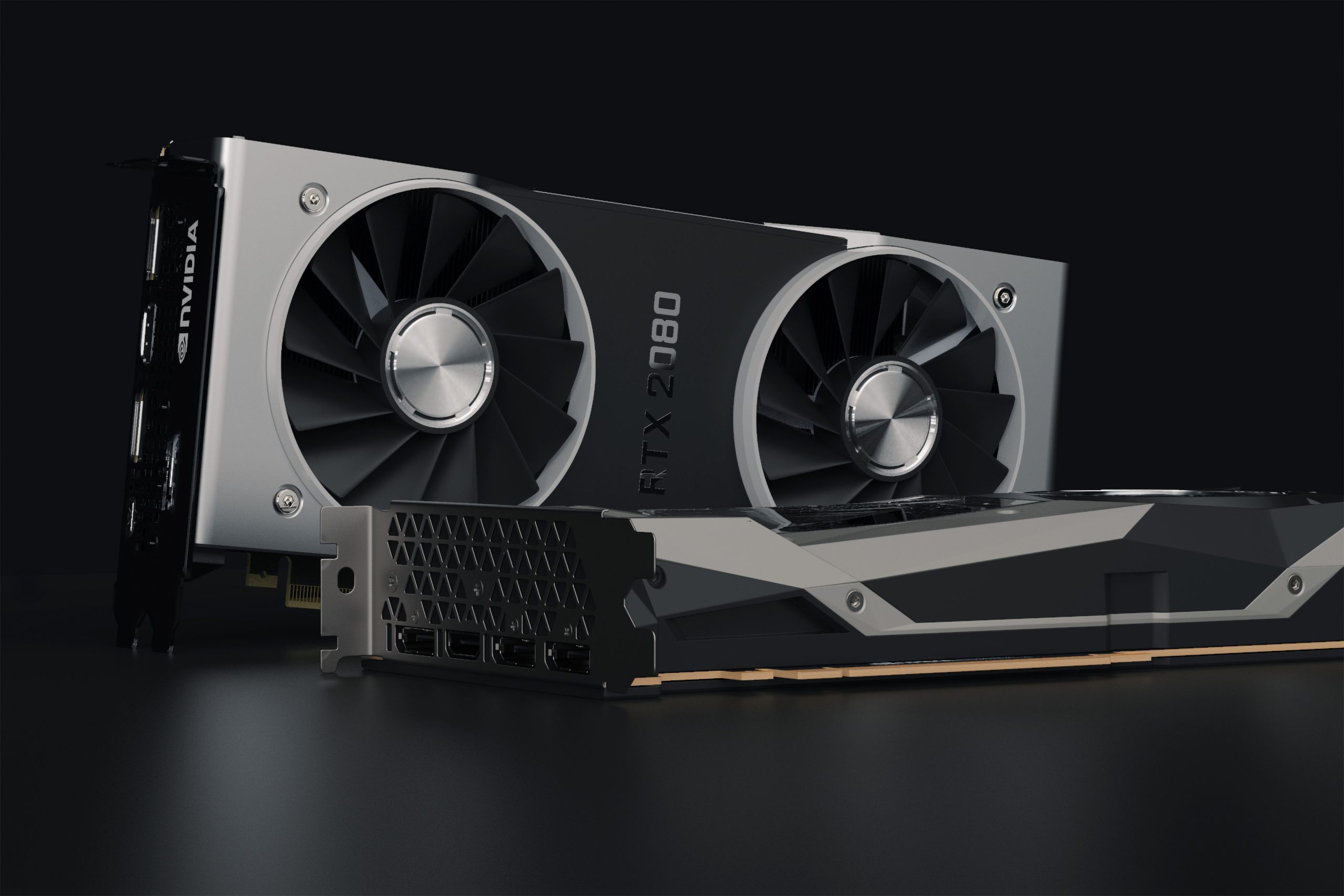
The core of the discussion centers on the use of Nvidia’s graphic processing units (GPUs) as the primary collateral for loans sought by AI companies and data center operators. The hardware, which can cost tens of thousands of dollars per unit and millions for a complete system, is essential for developing and running advanced AI models. To facilitate these large-scale purchases, Nvidia has been working to connect its customers with financial partners.
Financial institutions, including major banks and private credit funds, have raised questions about the rapid depreciation rate of high-tech hardware. The concern, cited by individuals in the lending industry, is that the value of the GPUs could decline quickly as newer, more powerful models are released. This technological obsolescence introduces risk for lenders who might need to repossess and sell the collateral in the event of a default.
Unlike traditional assets such as real estate or industrial machinery, the secondary market for specialized, used AI hardware is not yet fully established, adding another layer of uncertainty for financiers.
In response to these considerations, some lenders are structuring deals based on factors beyond the hardware itself. According to reports, they are prioritizing a borrower’s existing cash flow, the strength of their customer contracts, and their overall enterprise value rather than relying solely on the resale value of the physical chips.
Nvidia has not publicly commented on the specifics of its financing partnerships. The company’s strategy is seen as a way to support the expanding AI ecosystem and ensure continued demand for its products, particularly among startups and other companies that require significant capital to build out their computing capacity.
The ongoing dialogue between the technology and finance sectors highlights the unique economic conditions of the current AI expansion. As companies invest heavily in computational power, lenders are adapting their risk assessment models to underwrite the specialized assets underpinning the industry.

