
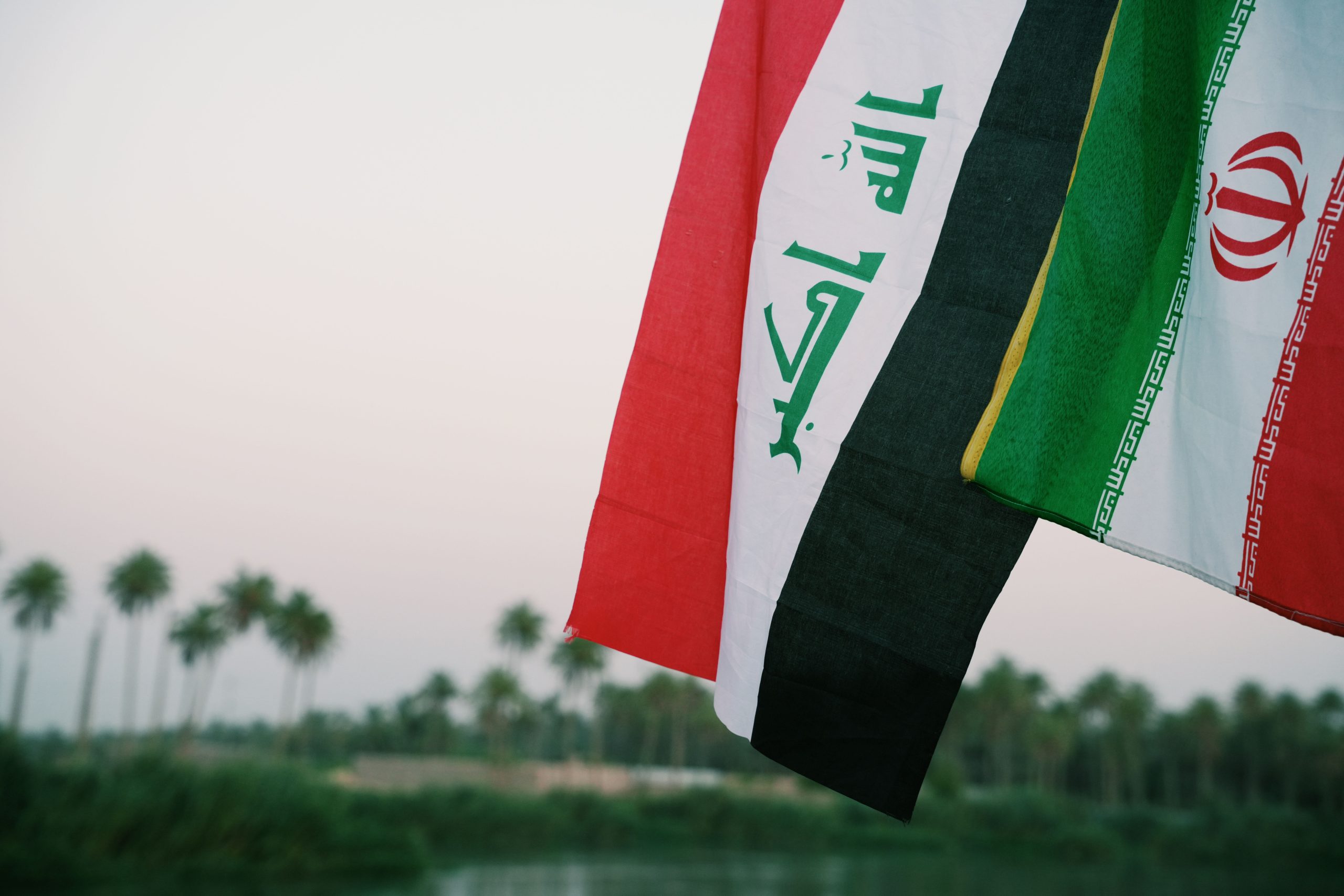

Iran’s Foreign Ministry on Thursday urged the Iraqi government to lift flight restrictions that have significantly limited air travel between the two countries. The ministry’s statement attributed the disruptions to U.S. sanctions targeting Iran’s aviation sector and called for the full restoration of flights.
The request came after air service between Iran and Iraq’s Najaf International Airport partially resumed late on Monday, September 29, according to the state-run Iraqi News Agency. The agency credited the resumption to efforts by Prime Minister Ali al-Zaidi. However, flights connecting Iran with major Iraqi airports in Baghdad, Erbil, and Sulaimaniyah remained suspended.
In its October 2 statement, Iran’s Foreign Ministry described the U.S. sanctions as “illegal and inhumane” and criticized their “extraterritorial enforcement.” The ministry stated that the high volume of travel by citizens of both countries necessitates an “independent and responsible approach” from Baghdad.
The flight suspensions began after a U.S. ban took effect on September 23. The measure targets any company conducting business with designated Iranian airlines. Iraq’s ambassador to Iran, Yasser Abdulzahra al-Hajjaj, clarified that the Iraqi government had not officially suspended Iranian flights. Instead, he stated that foreign ground-handling companies at Iraqi airports declined to service Iranian aircraft, citing concerns over potential U.S. sanctions.
The disruption has reportedly led to protests in several Iraqi cities, including outside Najaf airport and in Nasiriya, Karbala, and Amarah, according to Iran’s Press TV news agency. The lack of air travel has forced many passengers, including religious pilgrims, to undertake land journeys that can last 12 hours or more.
The Iraqi government has officially sought an exemption from the U.S. sanctions. A government official stated the request was made “on humanitarian grounds related to medical treatment, education, religious visits, and the interests of civilians.”
Data from the aviation monitoring service FlightRadar24 indicates a broad impact on Iran’s international air links since the sanctions took effect. According to the monitor, flights to and from Tehran’s Imam Khomeini International Airport have decreased by 42%. Routes to Georgia, Oman, and Azerbaijan have been halted, while flights to Dubai have been suspended since September 23. Air traffic to China has remained consistent, while the route to Turkey has seen a 19% reduction.

