
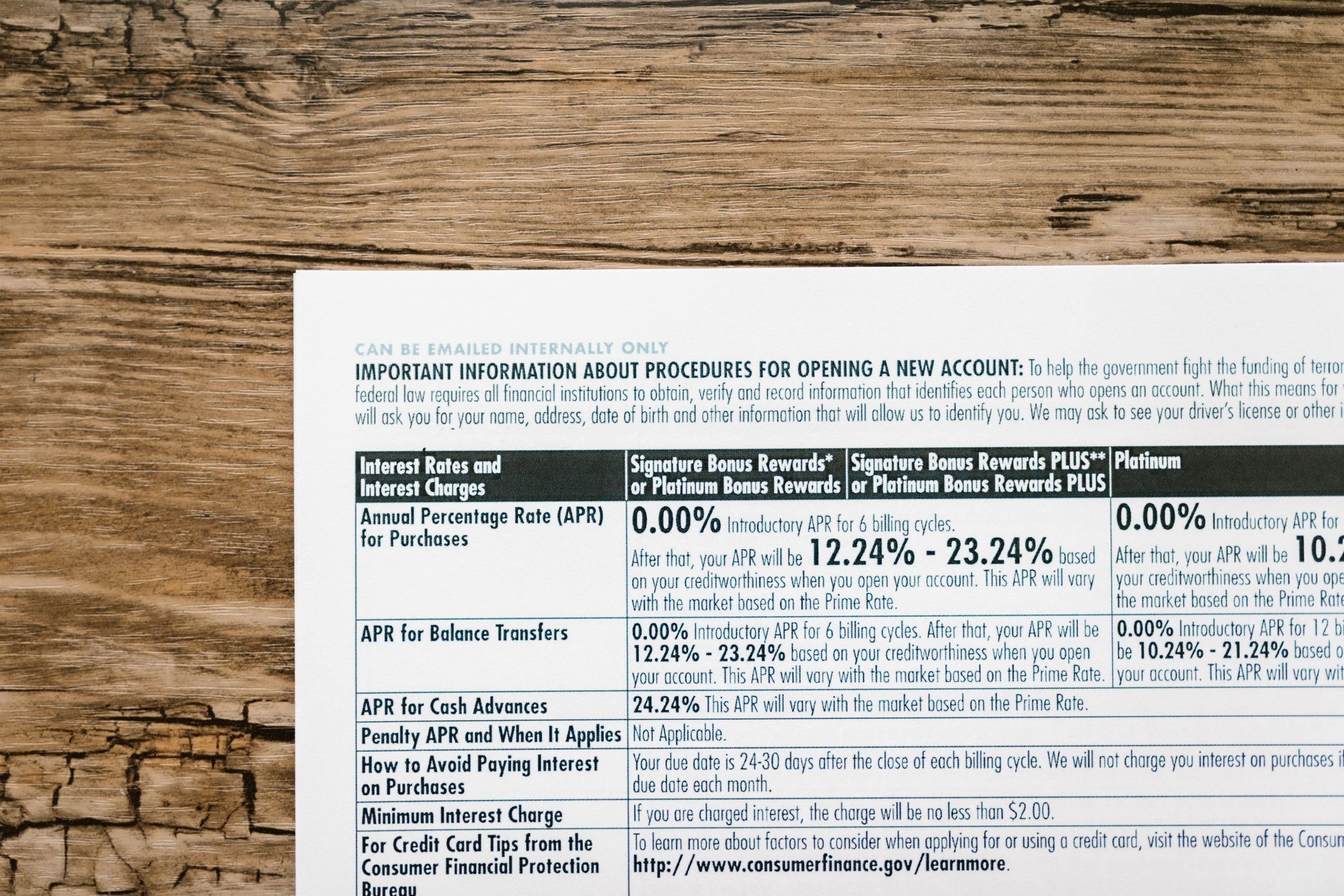

Investors and financial analysts are preparing to review third-quarter earnings reports from major U.S. banks, including JPMorgan Chase, Wells Fargo, and Citigroup, which are scheduled to begin releasing results on Oct. 13. The reports are expected to provide insight into how a sustained period of higher interest rates is affecting bank profitability, lending demand, and the overall health of their balance sheets.
A central point of interest will be Net Interest Income (NII), the difference between what banks earn on loans and pay out for deposits. While higher rates have allowed banks to charge more for loans, they have also increased the rates banks must pay to retain customer deposits. According to data from LSEG, analysts project that NII for the largest U.S. banks will show an increase compared to the same period last year.
However, the rapid rise in Treasury yields, with the 10-year note recently reaching levels not seen in over 15 years, has become a key area of focus. Higher yields can decrease the value of bonds held on banks’ balance sheets, creating unrealized losses. These unrealized losses were a contributing factor in the failures of several regional banks earlier this year. Executives’ commentary on managing their securities portfolios and deposit trends will be closely monitored.
Another area of scrutiny is the outlook for investment banking and dealmaking. Elevated interest rates and economic uncertainty have slowed activity in mergers and acquisitions (M&A) and initial public offerings (IPOs). Analysts will look for signs of a potential rebound in these areas, as fees from investment banking are a significant source of revenue for firms like Goldman Sachs and Morgan Stanley, which report their earnings the following week.
Lending growth and credit quality will also be under review. Data suggests that loan demand, particularly for mortgages and auto loans, has moderated as borrowing costs have increased for consumers and businesses. Investors will examine the banks’ provisions for credit losses, which is money set aside to cover potential defaults. An increase in these provisions could signal bank expectations of a weaker economic environment.
The upcoming earnings releases from the nation’s largest financial institutions will offer a detailed look at the industry’s performance and stability in the current rate environment. Other major banks reporting include Bank of America on Oct. 17, Morgan Stanley on Oct. 18, and Goldman Sachs, also on Oct. 17.

