
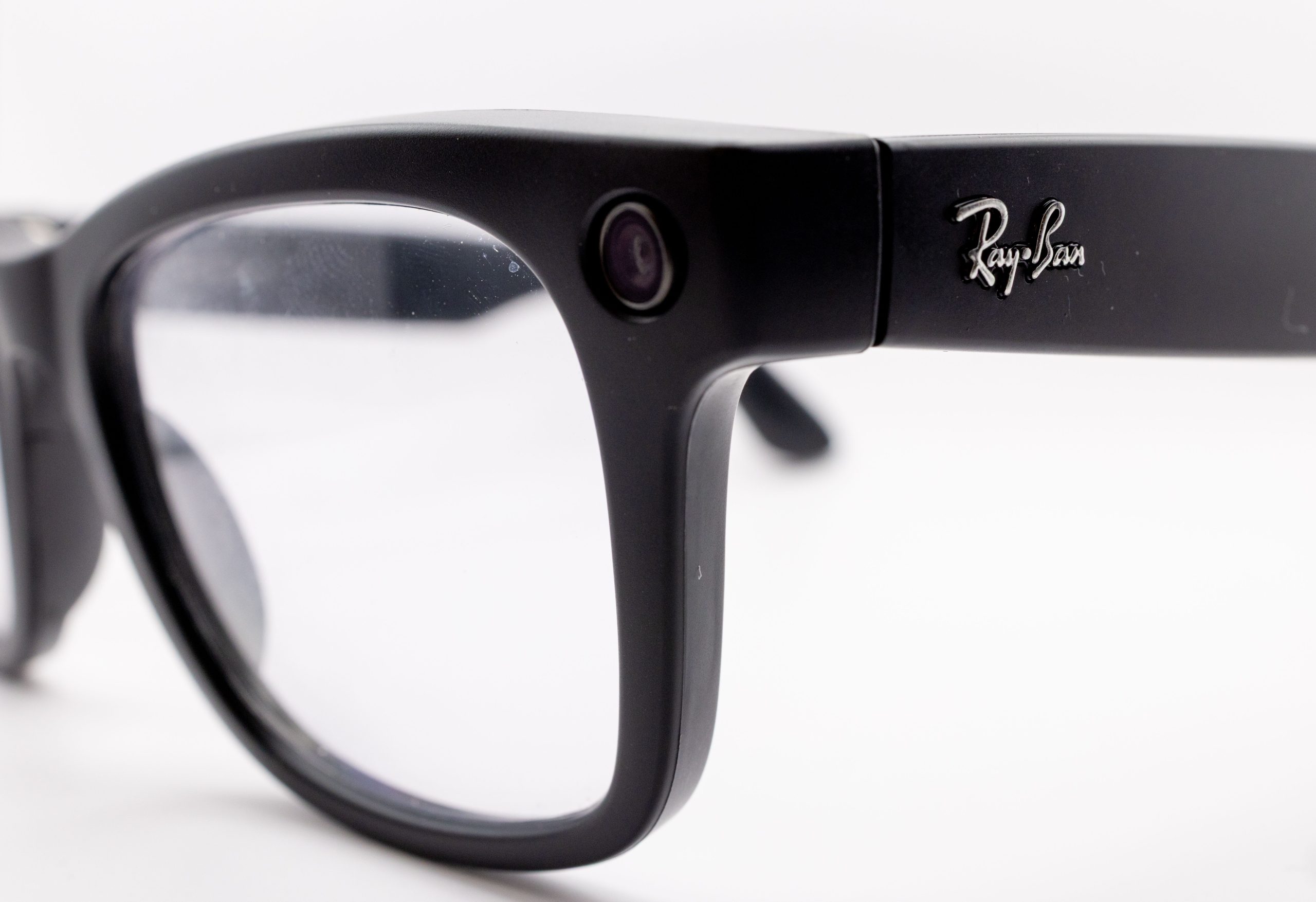

The European Data Protection Board (EDPB) issued guidelines on Tuesday recommending that smart glasses have a clear and unambiguous indicator to show when they are recording photos or video. The recommendation from the European Union’s data protection body addresses privacy concerns associated with the use of wearable recording devices in public spaces.
In a statement, the EDPB said the non-binding guidelines were developed because the use of smart glasses raises “serious privacy concerns.” The board specified that individuals should be able to understand when they are in the vicinity of a device that is capturing data.
“Bystanders should clearly understand that someone is filming or photographing them,” said EDPB Chair Anu Talus. “These warnings need to be reliable, hard to ignore, and always up to date.”
The EDPB suggested several potential solutions for device manufacturers, including the use of “bright LED lights, audio signals or voice activation cues,” or other distinct design features that would make the recording function evident to people nearby.
The board’s report identified greater privacy risks in what it termed “sensitive” areas such as schools, hospitals, and public places like beaches. It also expressed specific concerns regarding children, who the EDPB stated are “more vulnerable to covert or intrusive processing of their personal data.”
The new guidelines are part of a broader European response to the technology. Last month, French prosecutors confirmed they had opened a criminal investigation following sexual harassment complaints. The complaints were linked to a social media trend where individuals reportedly used smart glasses to film women on the street without their consent and posted the videos online.
In Norway, the government has stated it is also reviewing privacy issues related to smart glasses and is considering a temporary ban on their use in certain public areas. The capital city of Oslo has already prohibited glasses equipped with cameras in its schools.
Additionally, a citizen-led initiative in the United Kingdom and Ireland, called the “Stop Smart Glasses” campaign, has organized a petition calling for retailers to stop selling the devices. The petition has gathered over 10,000 signatures, a threshold that requires an official response from the U.K. government.

 issues guidelines recommending clear recording indicators for smart glasses to address public privacy concerns.)