
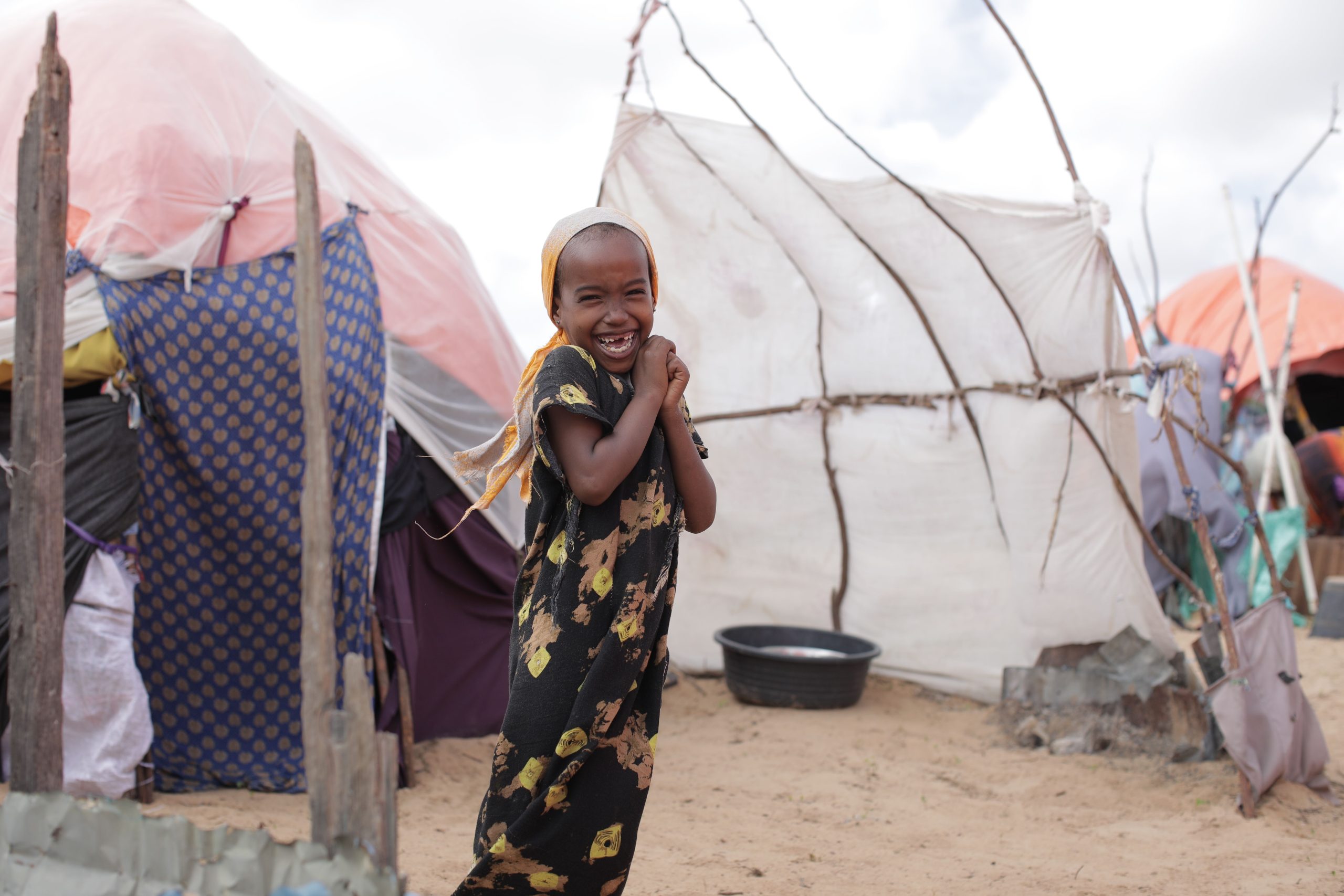

Internally displaced persons (IDPs) at the Old Kran Khun camp in Myanmar’s Rakhine State are confronting shortages of food, water, and income following their displacement by ongoing conflict between the Myanmar military and the Arakan Army (AA). The camp, located in Ponnagyun Township, now houses a population of 1,643 individuals, many of whom fled their homes in early 2024 amid military operations in the region.
The United League of Arakan (ULA), the political wing of the AA, estimates that 93 IDP camps are operating in areas under its control, housing approximately 100,000 people. An additional 100,000 are reportedly sheltering in monasteries or with relatives. These figures have not been independently verified.
Many residents arrived at Old Kran Khun after their villages were burned. According to the original report, on Feb. 6, 2024, the village of Kyar Ma Thout in Sittwe township was set on fire. Former residents, including one named Sam Sam, said they fled to areas controlled by the AA. Ponnagyun Township, where the camp is situated, was captured by the AA in March 2024.
Residents of the camp, which consists of around 400 thatched huts made from straw, bamboo, and tarpaulin, report significant challenges in securing basic necessities. Maung Tin Hla, a former businessman from Sittwe, stated he left his home on March 17 after military operations intensified in the city.
“I had around 1 million kyats (around U.S. $476), but this lasted just for a month,” Maung Tin Hla said. “Then we began selling the gold ornaments. We can last for another year by selling whatever is left.”
To generate income, some residents catch fish in the nearby Kaladan River, while others travel to surrounding hills to gather vegetables and firewood to sell or consume. Maung Aye Tun, who arrived at the camp two years ago, described the increasing difficulty of this work. “The hills are getting depleted,” he said. “Now more effort is required to gather vegetables and firewood… We have to go deeper into the hills every day.”
Access to clean water is another reported issue. Wells and ponds in the camp experience sharp drops in water levels during the winter months, forcing residents to fetch water from the Kaladan River, located 500 meters away. Myo Aung, a camp resident, attributed health problems to the water quality. “Water is the source of most diseases in the camp,” he said, citing skin ailments, diarrhea, and malaria.
Humanitarian aid to the region has reportedly diminished. Hla Nwe, an official with the ULA’s Humanitarian and Development Coordination Office, said that while over 50 NGOs have offered assistance, the support has not met requirements. “Funding from global organizations has decreased drastically over the past year,” Nwe stated.
The conflict also poses direct safety risks. The ULA claimed that in October, airstrikes on two IDP camps in Ponnagyun Township killed eight people and injured 13. The organization further stated that over the past two years, 16 IDPs have been killed and more than 40 injured in aerial attacks across Rakhine, though these figures could not be independently confirmed.
Khin Maung, a resident displaced from Che Lay Than village, said the lack of protective shelters exacerbates fears of attack. The original report noted only three small trenches were visible in the entire camp.
The conditions have also affected children’s education. Approximately one-third of the children in the camp are not attending school. Some parents cited financial hardship and the need for children to contribute to family income as the reason, while others expressed fear of airstrikes near schools.

