
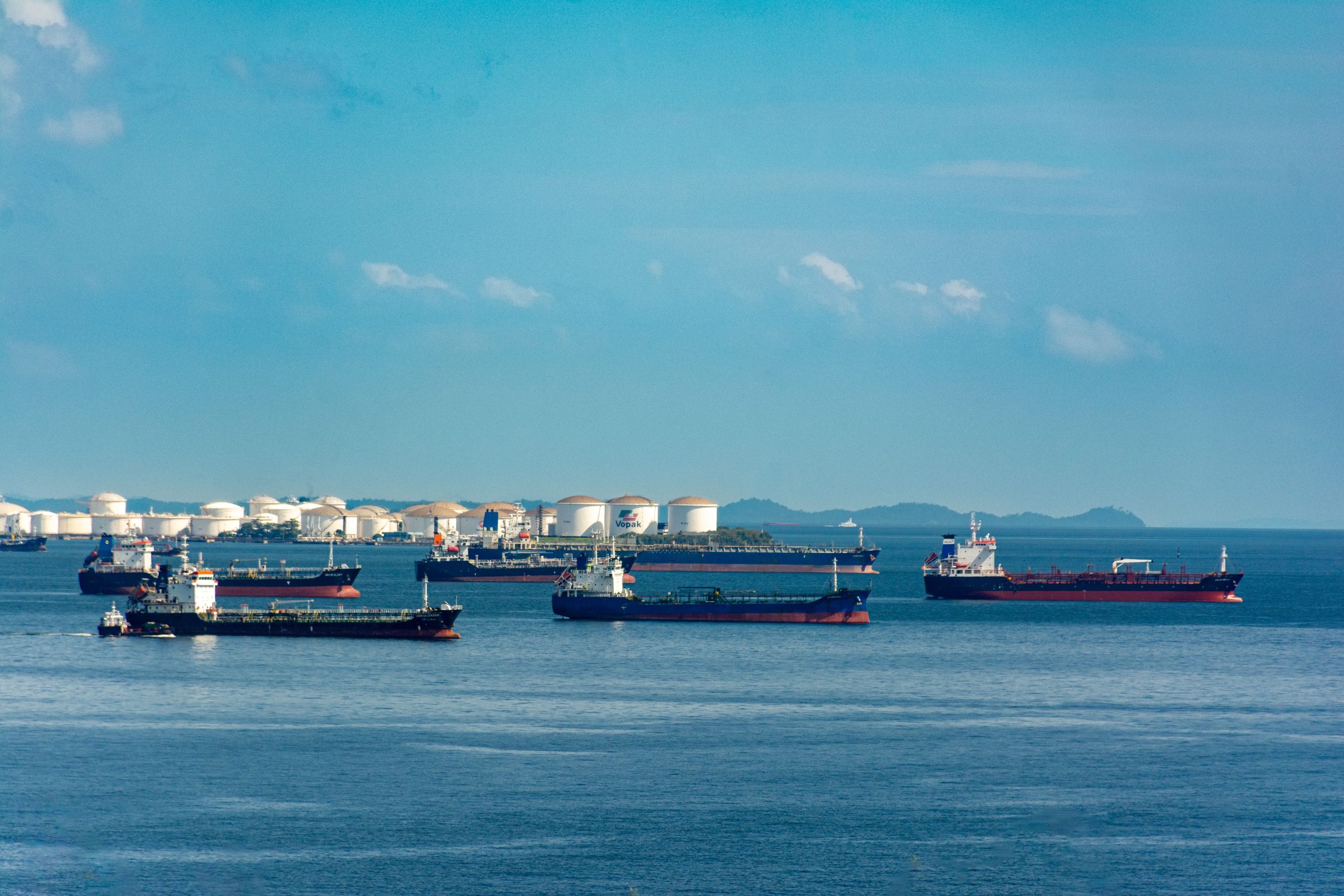

Asian oil refiners are altering their crude purchasing strategies, seeking alternatives from the Middle East and Latin America in response to a significant increase in tanker freight rates that has diminished the economic viability of U.S. oil imports. The shift was reported by multiple trade and shipbroking sources who monitor global energy and shipping markets.
The cost to charter a Very Large Crude Carrier (VLCC), a vessel capable of carrying approximately 2 million barrels of oil, from the U.S. Gulf Coast to destinations in Asia has risen substantially. According to shipping data and brokers, these freight rates have reached multi-year highs, adding several dollars per barrel to the final delivered cost of U.S. crude grades like West Texas Intermediate (WTI).
This increase in shipping costs directly impacts the arbitrage window between U.S. and other global crudes. An arbitrage opportunity exists when the price difference between oil benchmarks is wide enough to cover transportation and other costs while still allowing for a profit. With freight rates climbing, the total cost for Asian refiners to import U.S. crude has surpassed that of comparable grades from more proximate regions.
Market analysts attribute the rate spike to a combination of factors that have tightened the availability of tankers on the global market. Recent U.S. sanctions on certain shipping companies have removed a number of vessels from the chartering pool, increasing competition and prices for the remaining fleet. This has had a cascading effect on major international shipping routes, including the trans-Pacific corridor essential for U.S.-to-Asia crude transport.
In response, energy traders have reported a notable uptick in inquiries from Asian refiners for crudes from the Middle East, particularly from producers like Saudi Arabia and the United Arab Emirates. Latin American suppliers, such as Brazil, have also emerged as more competitive options. These sources offer a significant freight discount due to shorter sailing distances or different route dynamics compared to the U.S. Gulf Coast.
The development affects U.S. crude producers who have increasingly relied on Asian demand to absorb their growing output. The continent has been a primary destination for American oil exports since a ban was lifted in 2015.
For Asian refiners, the adjustment is a standard reaction to changing market economics. They continually evaluate the most cost-effective crude sources to maximize refining margins. The current freight rate environment has altered those calculations, favoring crudes that are geographically closer or available on routes with lower shipping premiums. The duration of the elevated freight costs remains a key variable for both U.S. exporters and Asian importers, according to market participants.

