
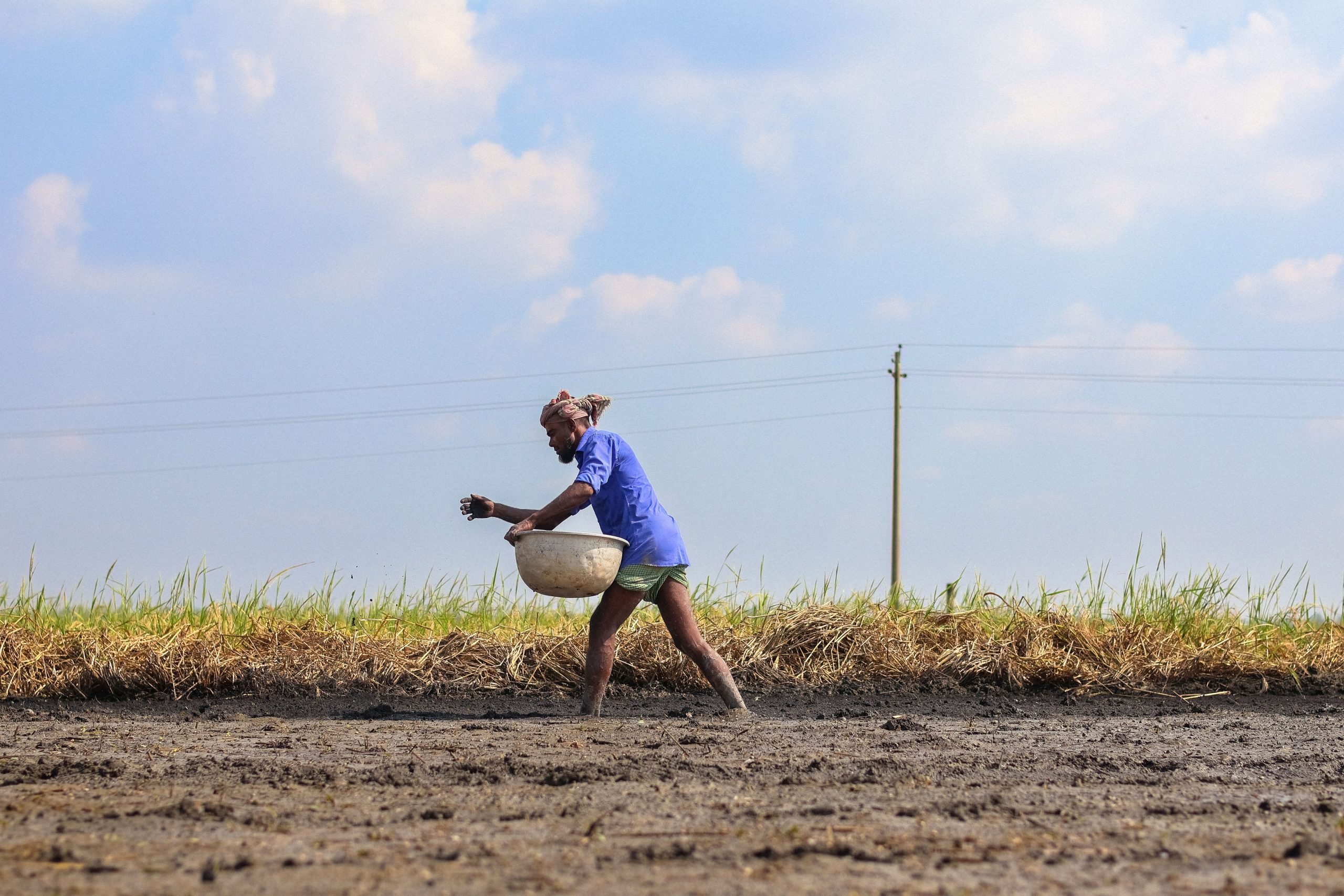

The government of Bangladesh is implementing changes to its national fertilizer subsidy program in response to rising global commodity prices, currency exchange rate fluctuations, and international lending recommendations. The adjustments, which include increased prices for farmers, are intended to reduce the growing fiscal expenditure on agricultural subsidies, according to government officials.
Bangladesh’s agricultural sector relies heavily on imported fertilizers. According to data from the Ministry of Agriculture, the country imports over 85% of its total fertilizer requirement, including key nutrients like urea, Triple Superphosphate (TSP), Muriate of Potash (MoP), and Di-ammonium Phosphate (DAP). This dependency makes the national budget for subsidies susceptible to volatility in international markets and changes in the U.S. dollar exchange rate.
In recent years, the cost of these subsidies has risen significantly. The allocation for fertilizer subsidies in the national budget has increased to address the widening gap between import costs and the fixed prices at which fertilizers are sold to farmers. For the 2023-2024 fiscal year, the government allocated BDT 260 billion (approximately $2.37 billion) for subsidies on agricultural inputs.
In response to these financial pressures, the government has taken steps to reduce the subsidy burden. In April 2023, the Ministry of Agriculture announced an increase in the price of urea and DAP fertilizers at the farmer level by BDT 5 per kilogram. A statement from the ministry noted that even after the price hike, the government would still be providing a substantial subsidy on these products.
The policy shift also aligns with recommendations from the International Monetary Fund (IMF). As part of a $4.7 billion loan package approved for Bangladesh in January 2023, the IMF advised a rationalization of subsidies to ensure fiscal sustainability. The program’s objectives include creating fiscal space for social spending and development projects by making subsidies more targeted and efficient.
Agricultural organizations and farmers have expressed concerns regarding the potential impact of higher input costs. Representatives from farming associations have stated that increased fertilizer prices could raise production costs for major crops like rice, potentially affecting profitability for small-scale farmers. They have called for continued government support to ensure food security and protect agricultural livelihoods.
Government officials maintain that the adjustments are a necessary measure to manage the country’s finances. The Ministry of Finance has stated that the reforms are part of a broader strategy to maintain macroeconomic stability while continuing to support the vital agricultural sector.

