
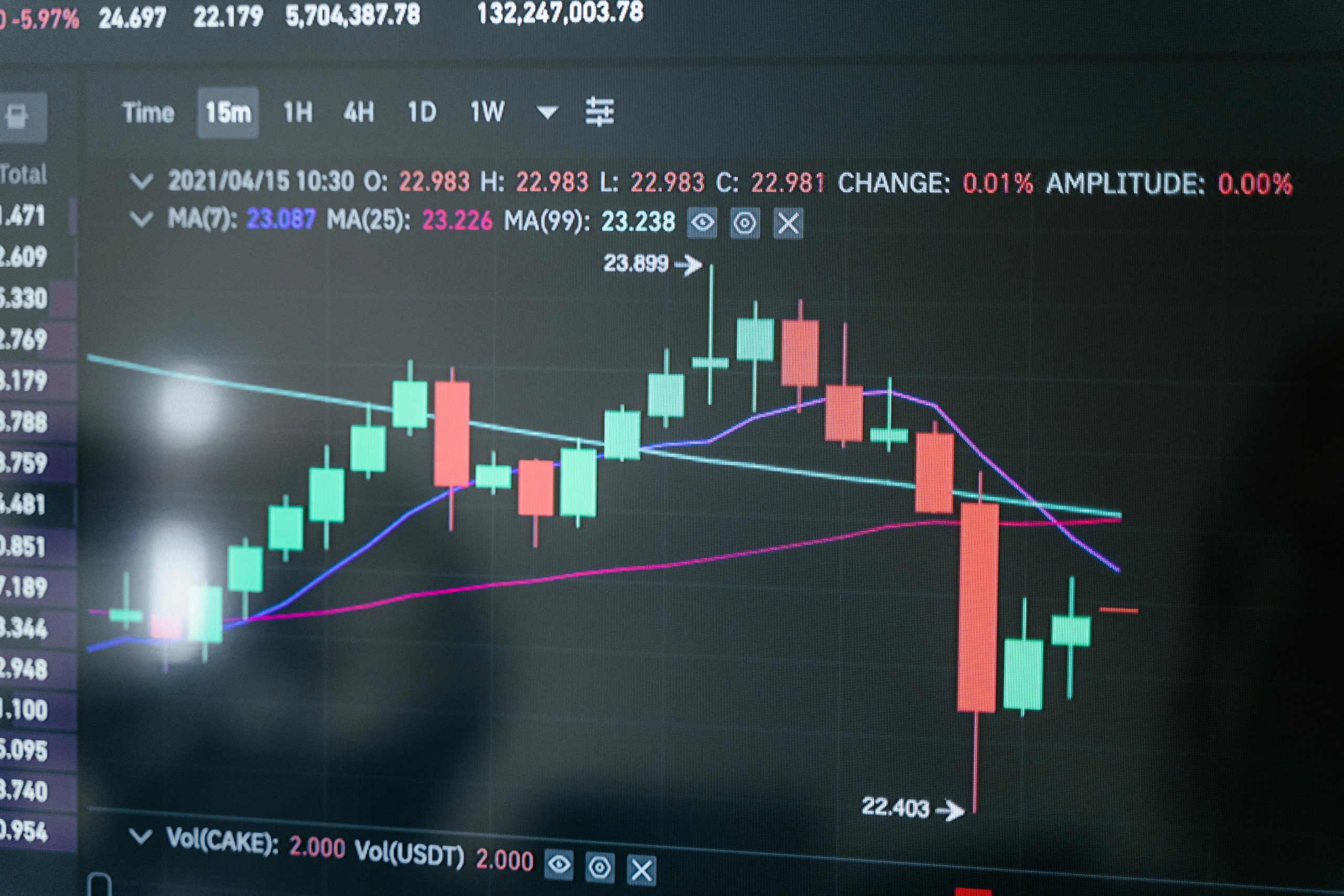

The price of Bitcoin fell on Friday, reaching its lowest point in over six months as part of a wider sell-off in assets perceived as high-risk. Market reports attribute the decline to shifting investor expectations regarding a potential interest rate cut by the U.S. Federal Reserve.
On Friday, the value of the digital currency dropped below $57,000, a price level not seen since May, according to data from multiple cryptocurrency exchanges. The decline was part of a broader downturn in the cryptocurrency market, with other major digital assets, including Ethereum, also recording price decreases.
The downward pressure on Bitcoin and other assets coincided with changing sentiment about U.S. monetary policy. Recent economic data, including reports on inflation and employment, have led some market participants to reassess the probability of the Federal Reserve lowering its benchmark interest rate in December.
According to a report from Reuters, a “risk-off” tone has influenced global markets, where investors tend to move away from assets with higher volatility, such as cryptocurrencies and technology stocks, toward more stable investments. Higher interest rates typically increase the appeal of fixed-income assets like government bonds, which can draw capital away from non-yielding assets like Bitcoin.
The sell-off was not confined to digital assets. U.S. equity markets also experienced declines during the trading session, particularly in the technology sector, which is often sensitive to interest rate expectations.
Market analysis firms noted the trend in investor behavior. A report from digital asset investment firm CoinShares published earlier in the week indicated that investment products tied to cryptocurrencies had seen net outflows, suggesting a more cautious stance among institutional investors leading up to Friday’s price drop.
As of the close of trading, Bitcoin’s price had stabilized but remained near its six-month low, reflecting the broader financial market’s reaction to macroeconomic indicators and central bank policy outlooks.

